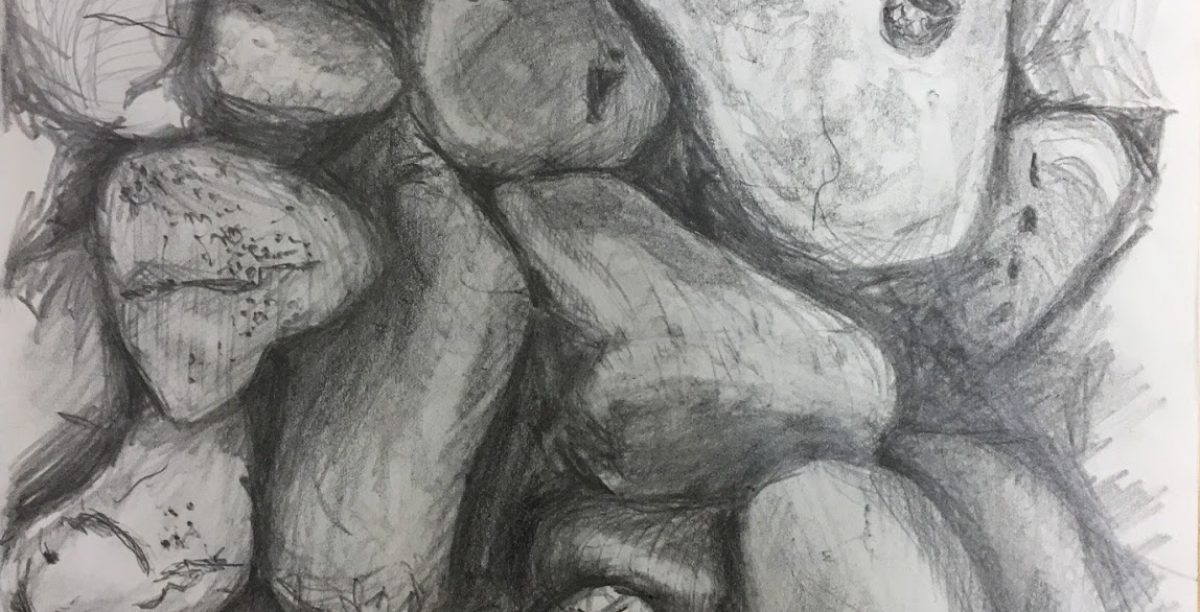
Project 2 is all about developing observational and technical skills by focusing in the still life genre. The exercises create a framework within which the choice of subject, colours and paint is free to me.
Drawing is essential to painting; it enables graphic and interpretative skills to be developed by using observational drawing to develop into painting.
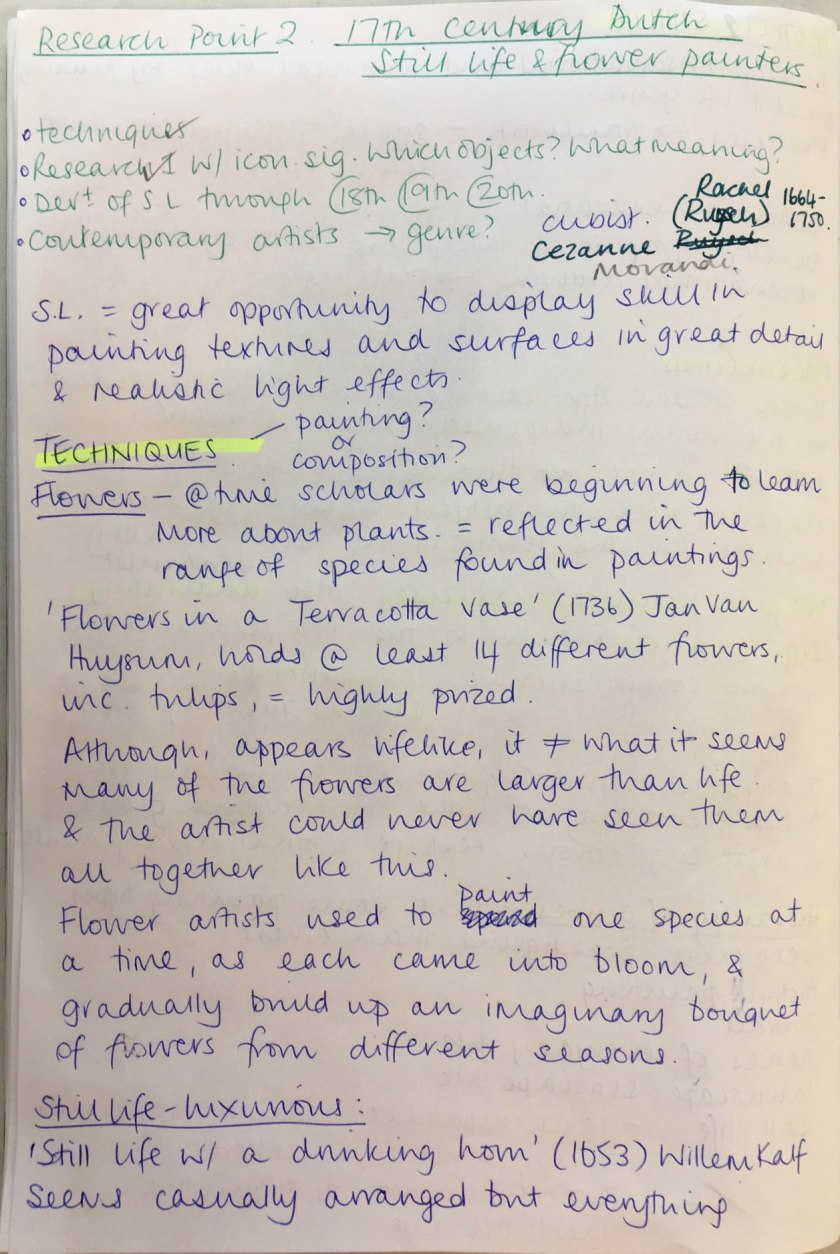
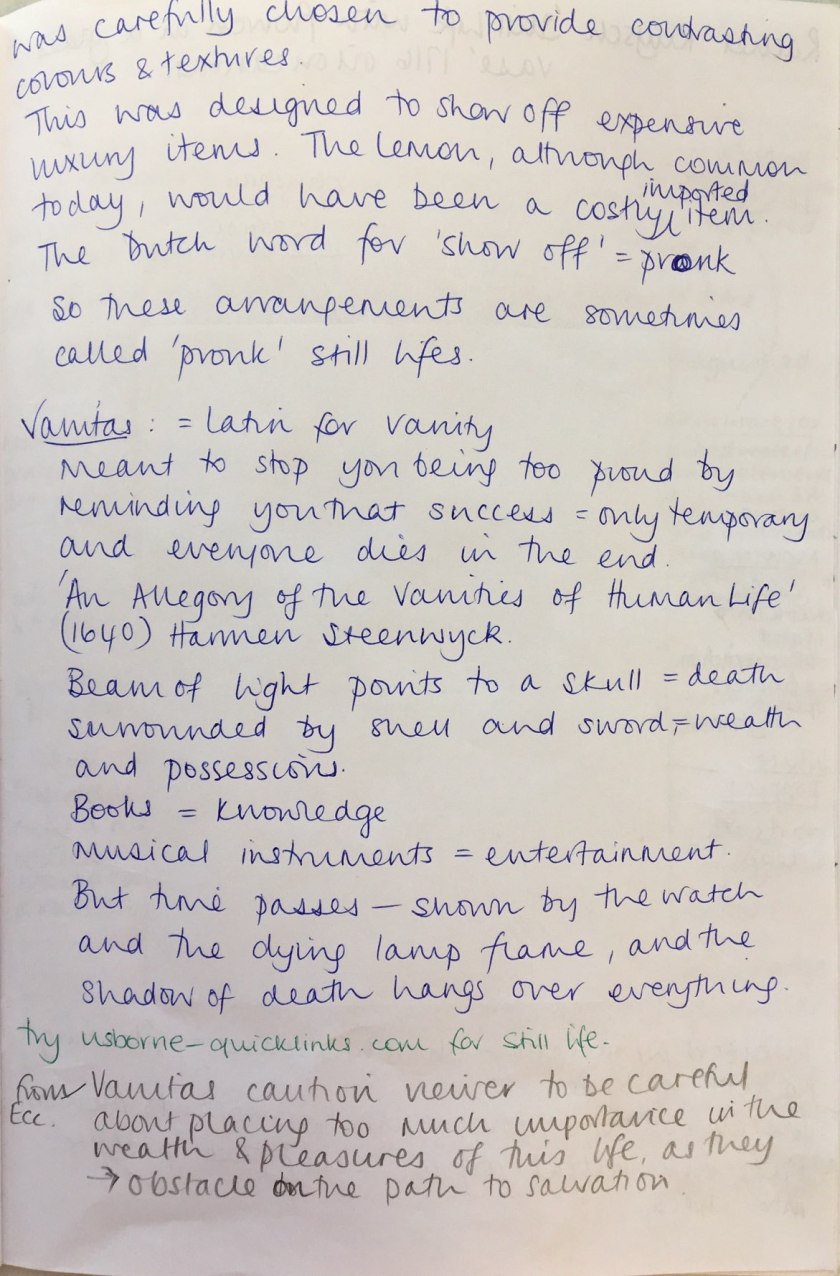
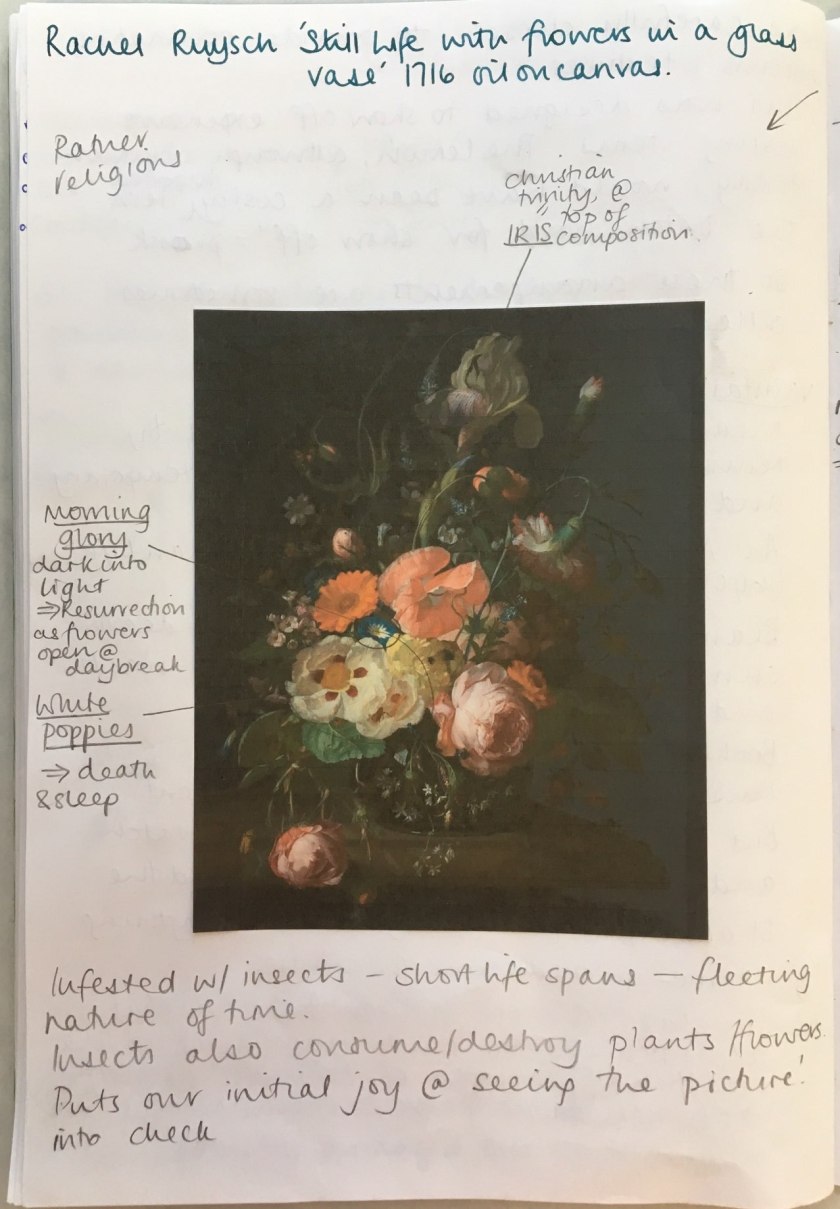
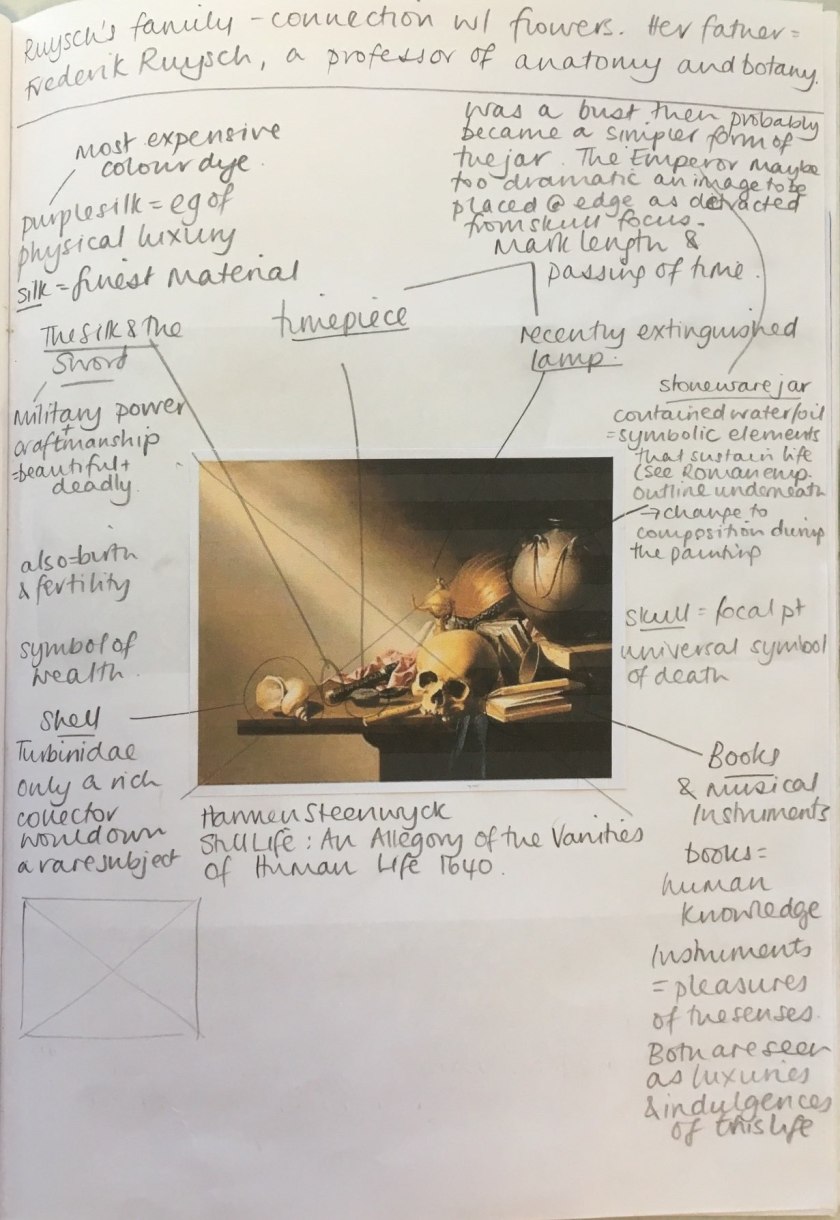
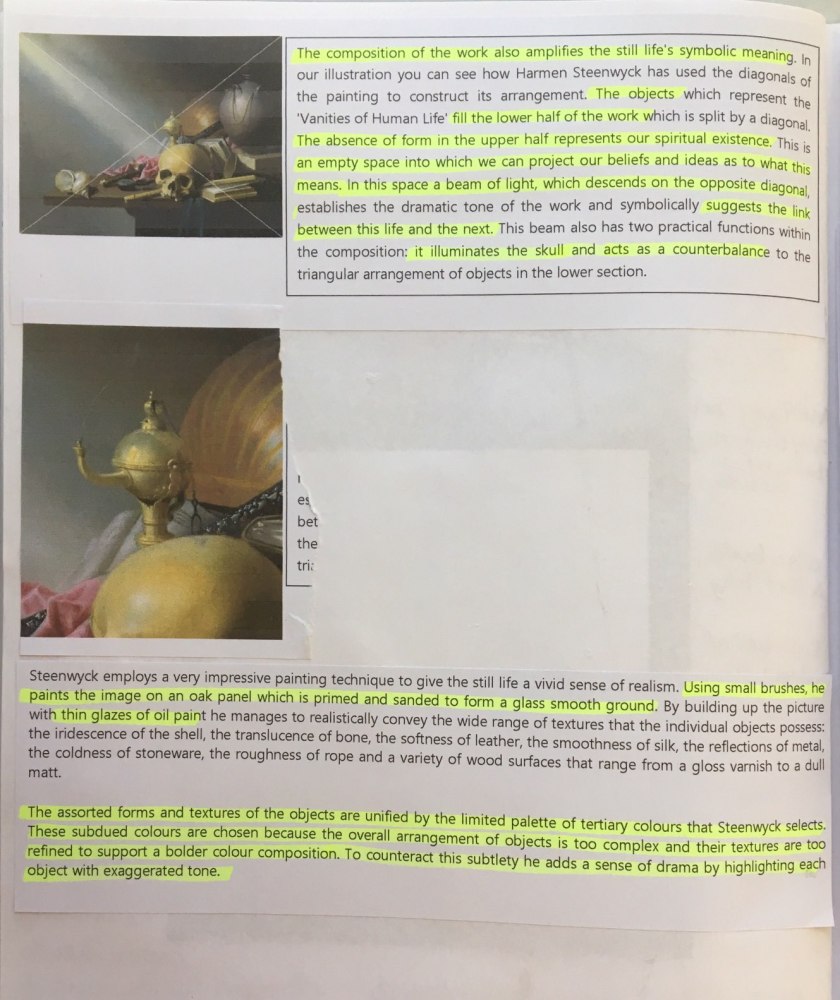
The following research has helped me to tune into possible composition and symbolism but also the technical grace that is possible and is so distinctive of this 17th century Dutch still life artists.
Background
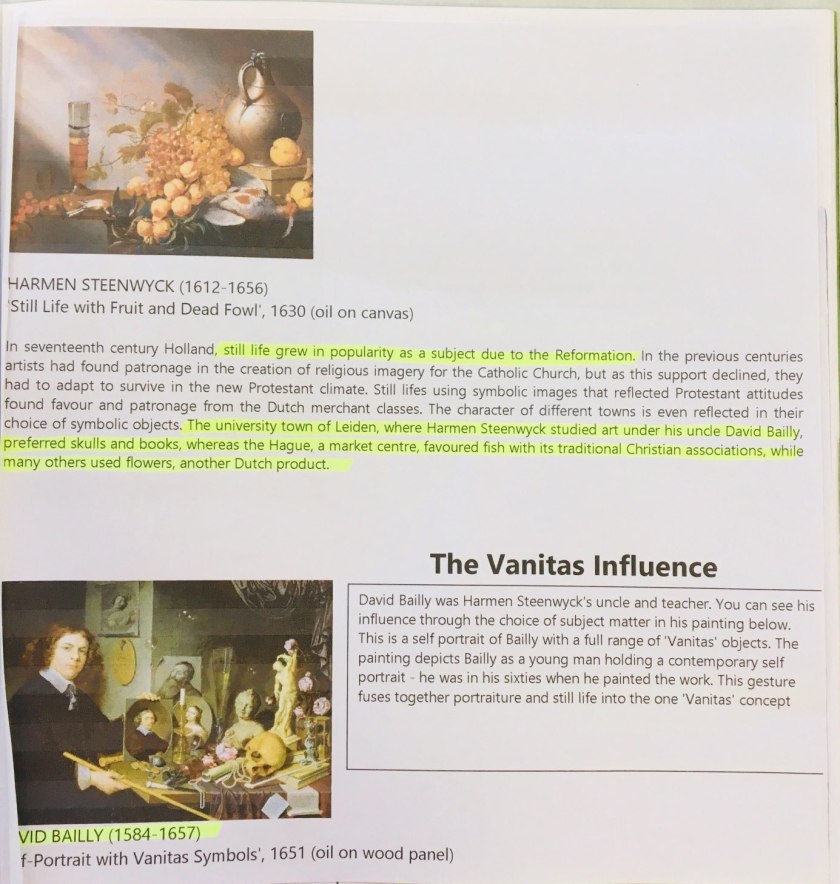
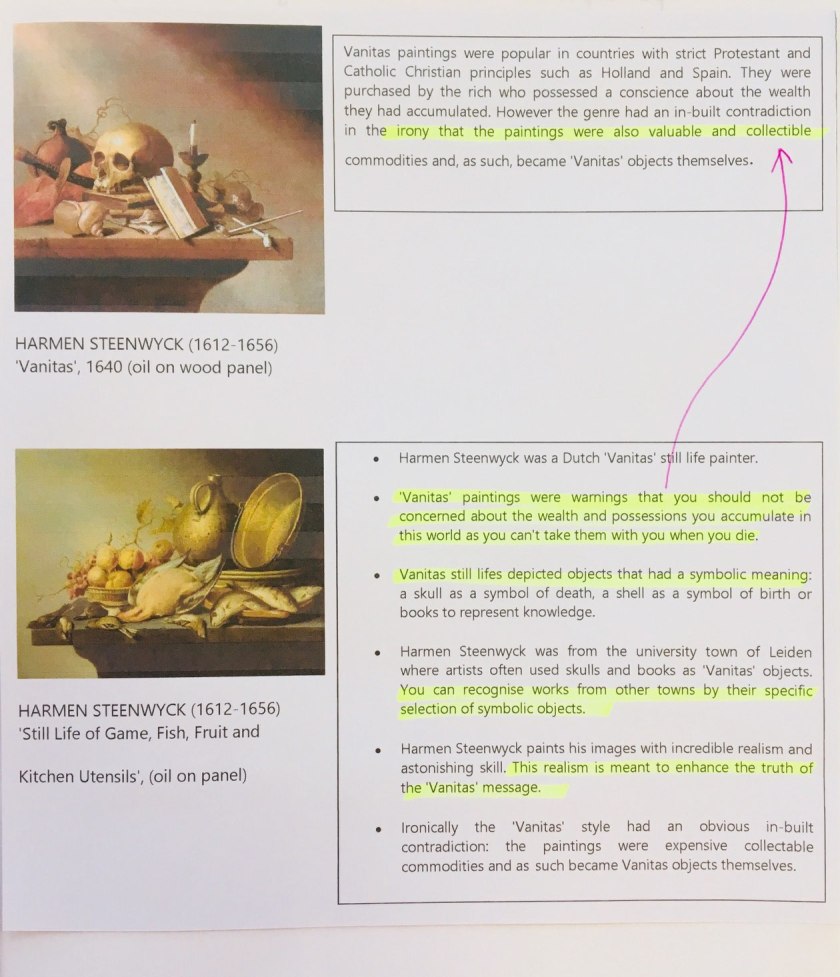
The Dutch Golden Age coincided with stability and wealth in the newly independent Dutch republic. Still life arose through a shift away from classical and religious subject matter to genres more suitable for the homes of the newly wealthy. This was the shift to Calvinism. These pieces were not just technical exercises – they were also of an underlying significance, maybe to the role or status of the person commissioning the work. ICONOGRAPHY. VANITAS paintings.
They pushed painting to new boundaries in their rendering of light on and through glass in exploring colour, texture and tonal arrangements.
They also created a hierarchy of genres – that some painting types were more prestigious than others:
- History painting
- Portrait
- Scenes of everyday life
- Landscape, seascape etc
- Still life. It was less important because they only seemed to copy how things looked BUT there is often more to them than meets the eye.
Research Point 2 – Consider the techniques of the 17th century Dutch still life and flower painters. Research a painting with iconic significance. What has been the development of still life through the following centuries including contemporary artists?

 Tea and Doodles