Reflection on Assignment 4
Looking Out
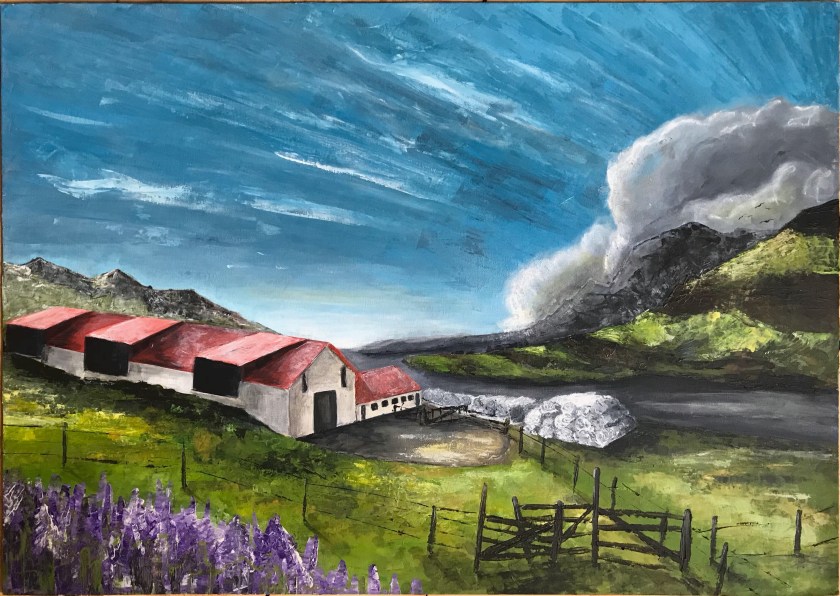
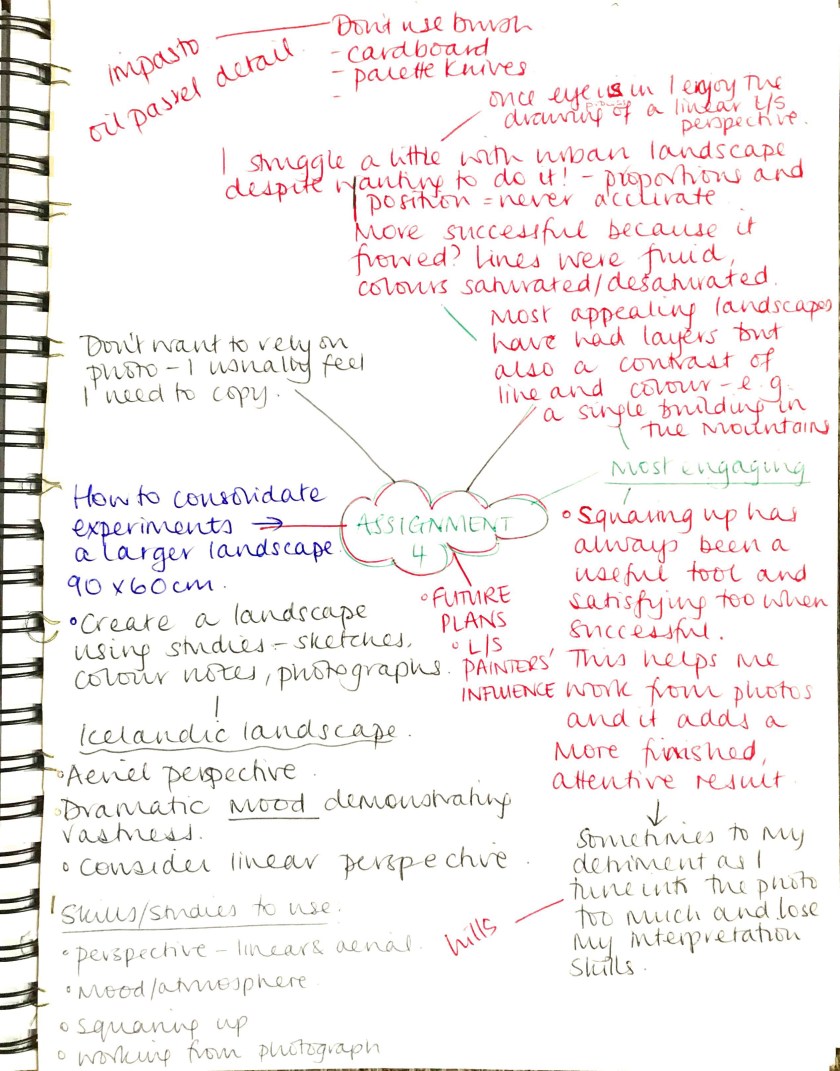
I found the exercises engaging in that they made me refocus on the skills needed to develop in painting. I’ve used these skills in past work and lessons but it has been more of a self-taught approach; I enjoyed the learning process again. Framing a picture through a window or door was interesting. It allowed a connection between my space and the space beyond.
In the work on perspective, I always feel how my eye and brain tune into the lines, angles and shapes, but it’s never straightaway. Even though it’s not an instant success, the practise allows me to make connections between the elements and areas I can see and therefore increased my observation skills of the surroundings. Maybe the rural landscapes were more successful because the lines were fluid and colours are saturated or desaturated; everything is less rigid compared to an urban landscape.
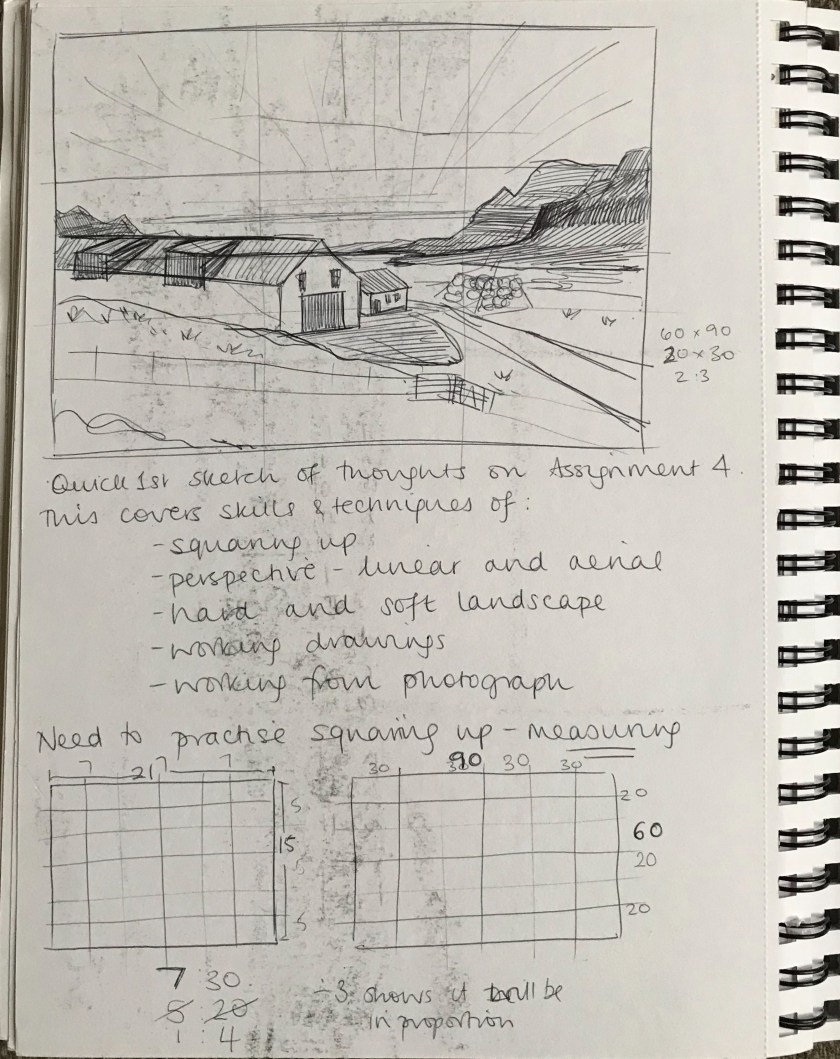
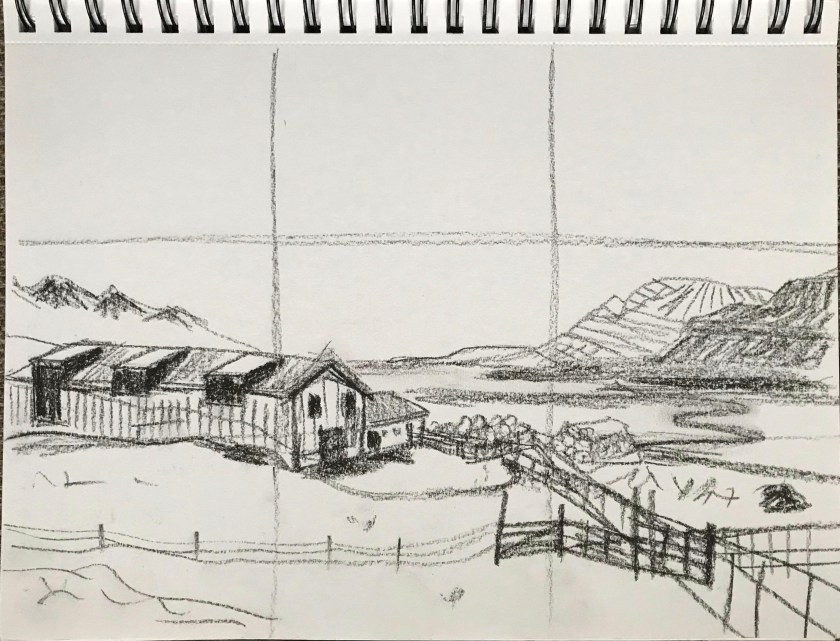
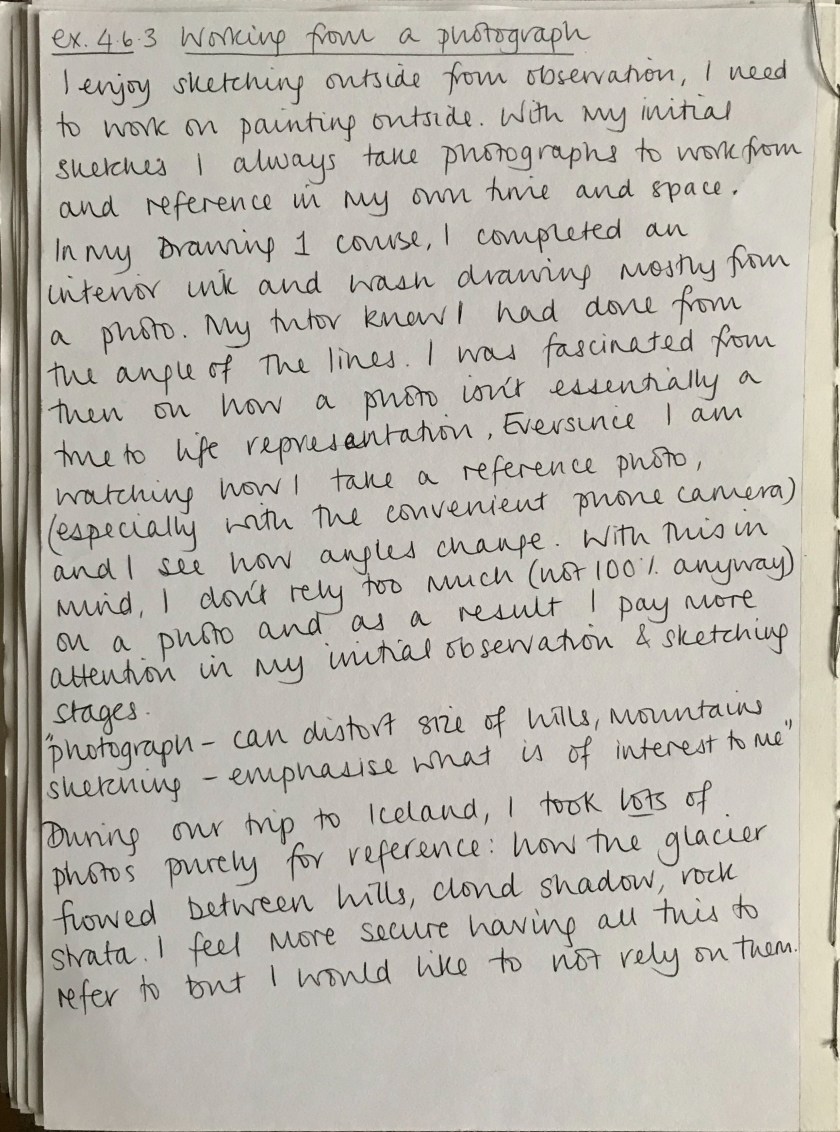
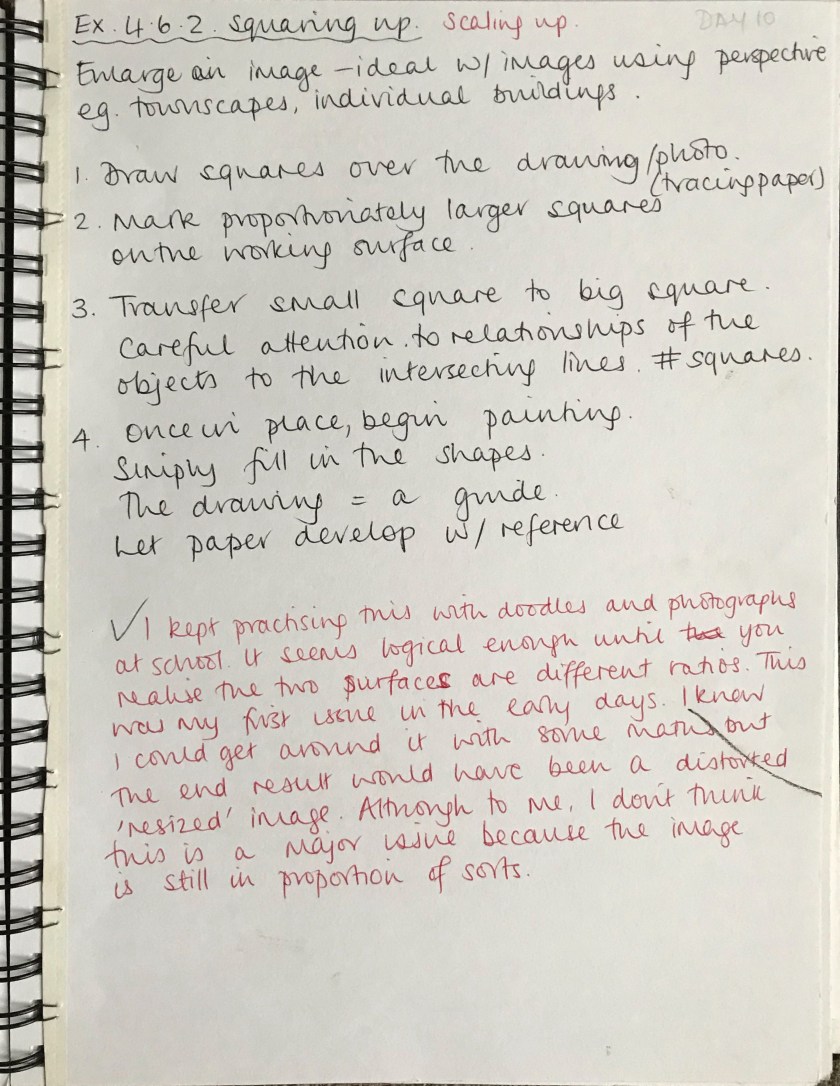
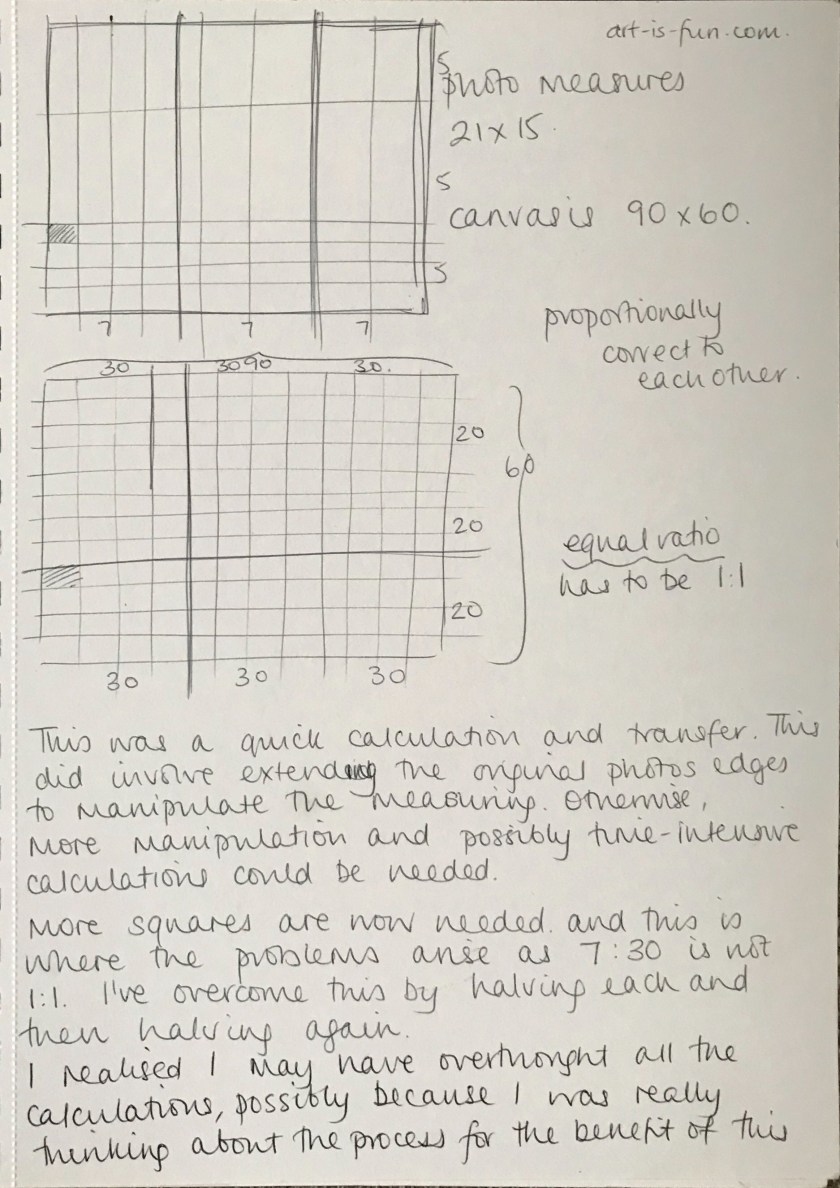
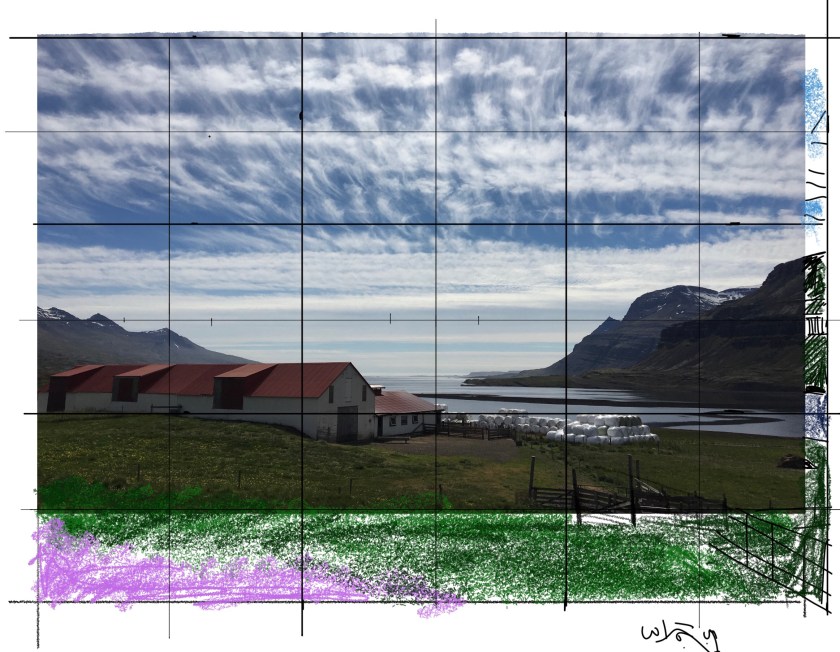
Squaring up has always been a useful tool and it is satisfying when successful. It has a more attentive, finished result. But sometimes I think this technique is detrimental to my trying to be less restricted as I started the paintings from the outset in a structured way; I tune into the photo too much and lose my interpretation skills.
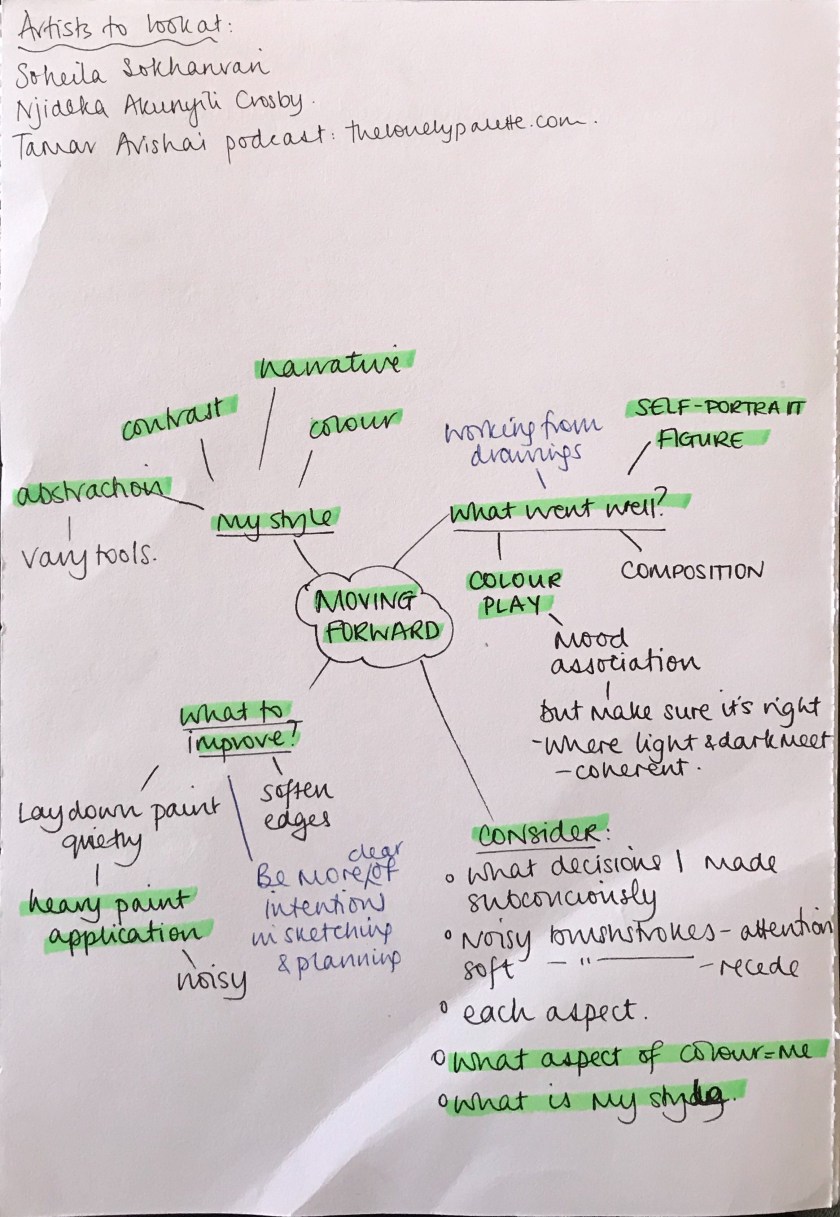
The research on the surrealist and expressionist landscape artists appealed as I knew they would. I felt, again, I want to be more expressive – this assignment led to frustration again as what is in my mind does not come out. I need to figure out why. Time is of the essence at the moment and the tight deadlines I have certainly contribute to a lack of investigation and experimenting. The exercises that encouraged me to work from studies, drawings and memories and move away from the subject will help me develop this.
What I found successful and developmental were the exercises on changing the mood and atmosphere of a painting. This was a lesson in not being precious about a painting; it was liberating to change and work over something. Painting from working drawings was most successful, not so much the results but in my progression as I enjoyed detaching myself from the subject and the reference photos. It was less restrictive maybe.
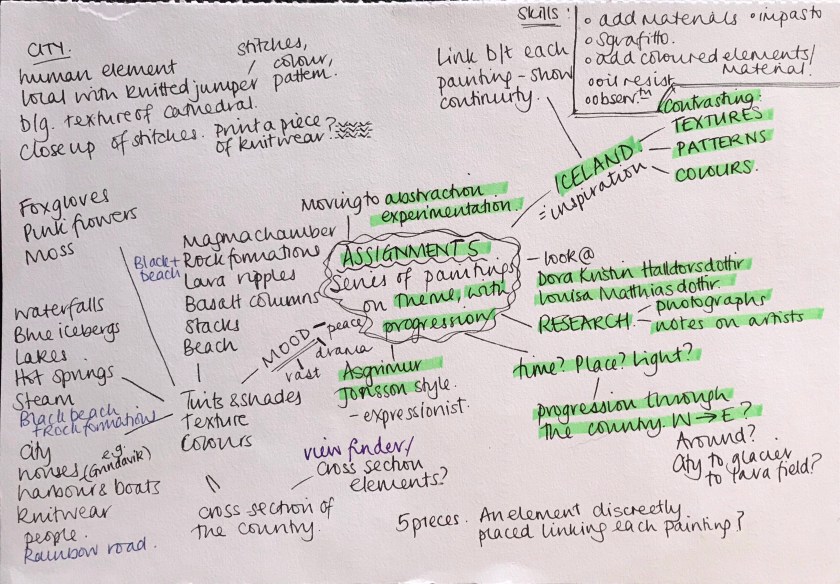
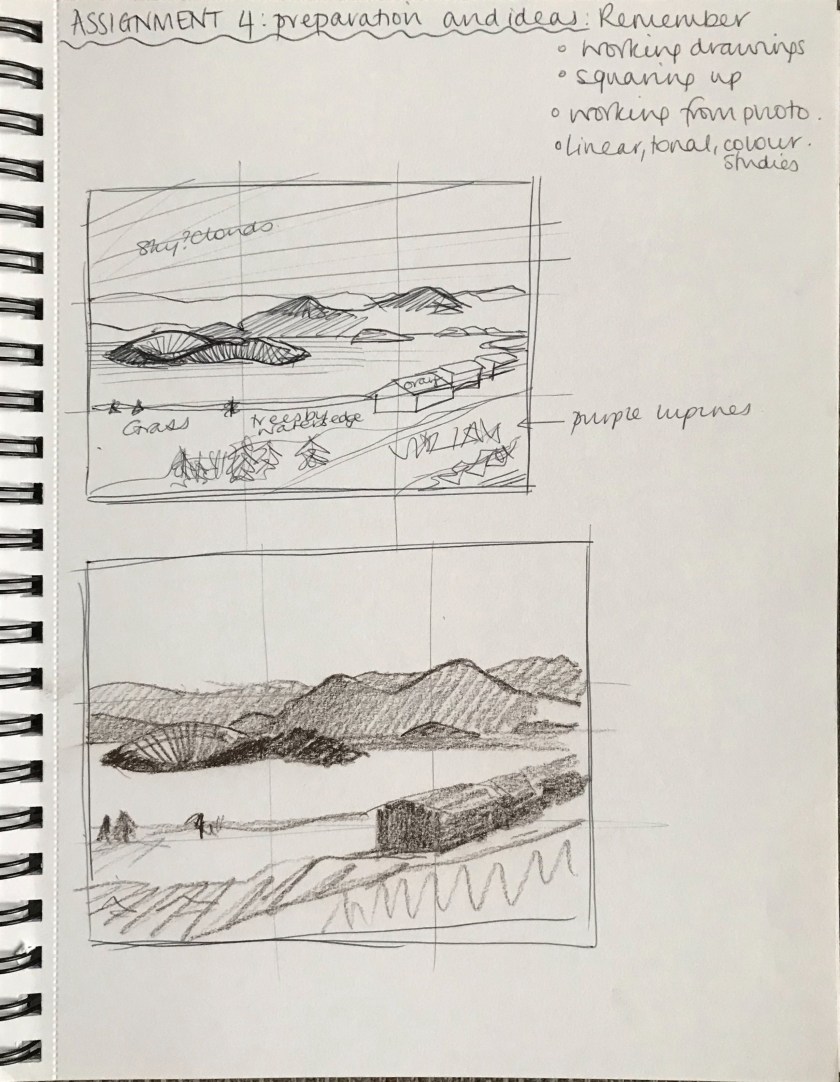
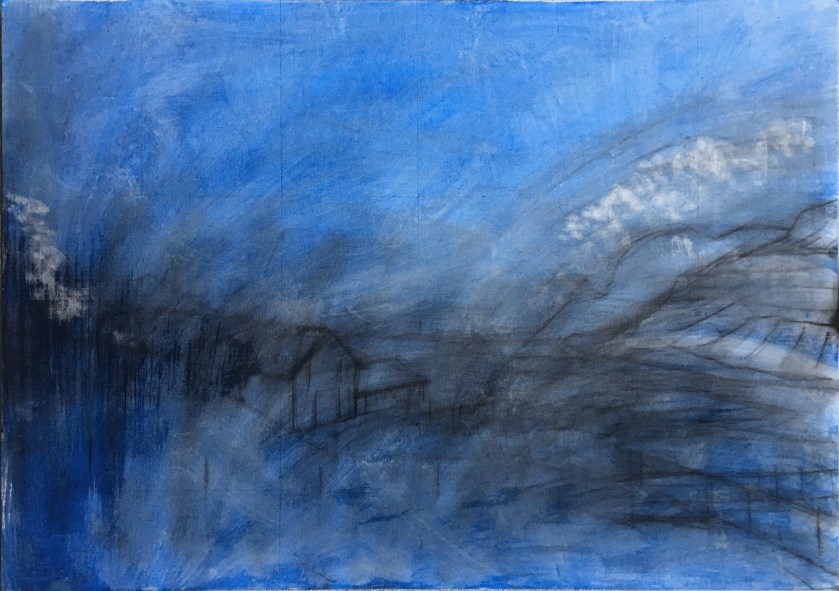
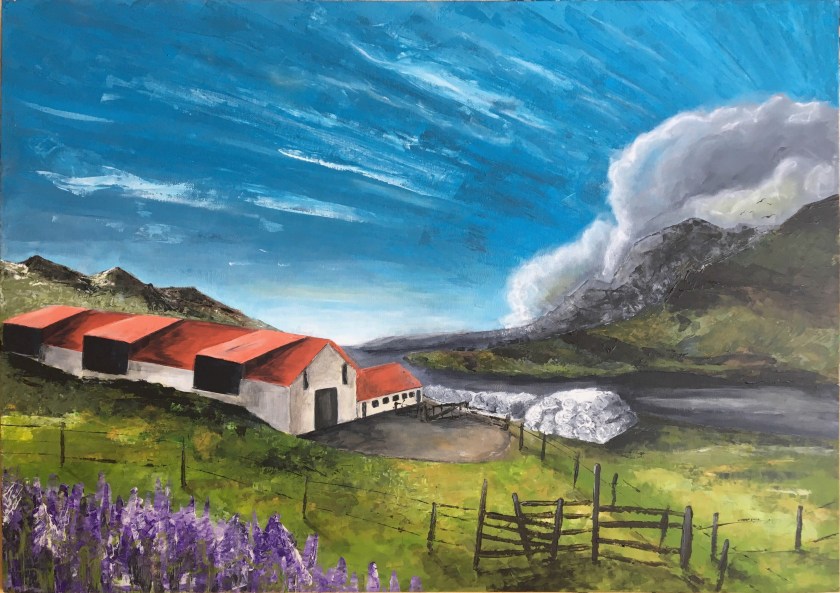
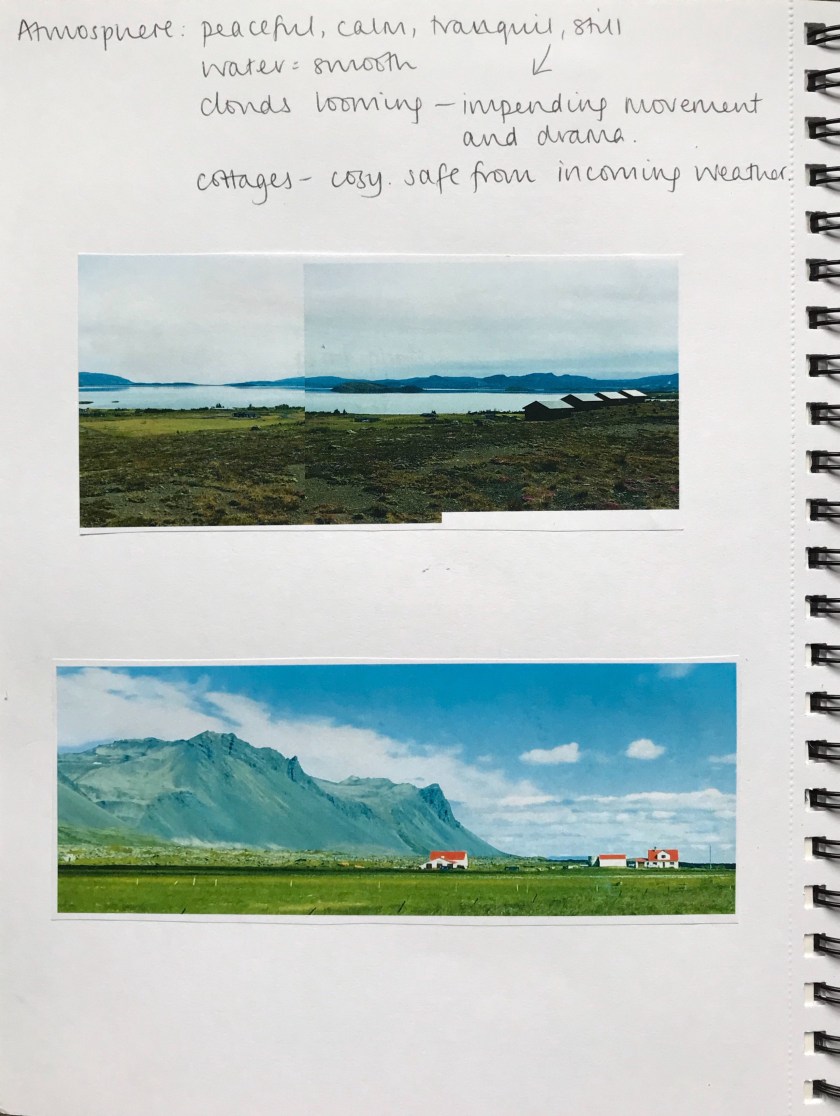
I know that our trip to Iceland would be a feature of my assignment. I envisaged using perspective, a dramatic mood and atmosphere, squaring up and working from a photograph. I had in mind an expressive piece, hoping to show influence from Ásgrímur Jónsson’s later work. I made sketches and took photographs but also relied on memories. I studied the colour wheel in more depth and in comparison to the landscape’s palette.
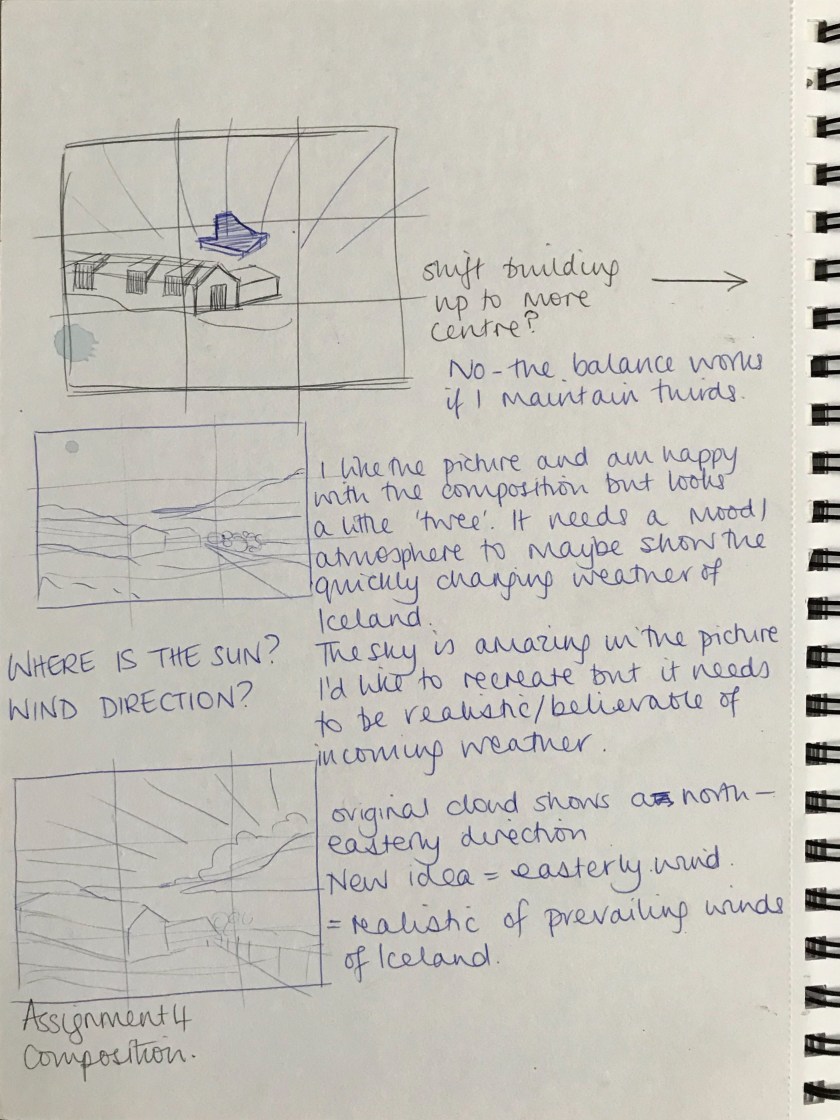
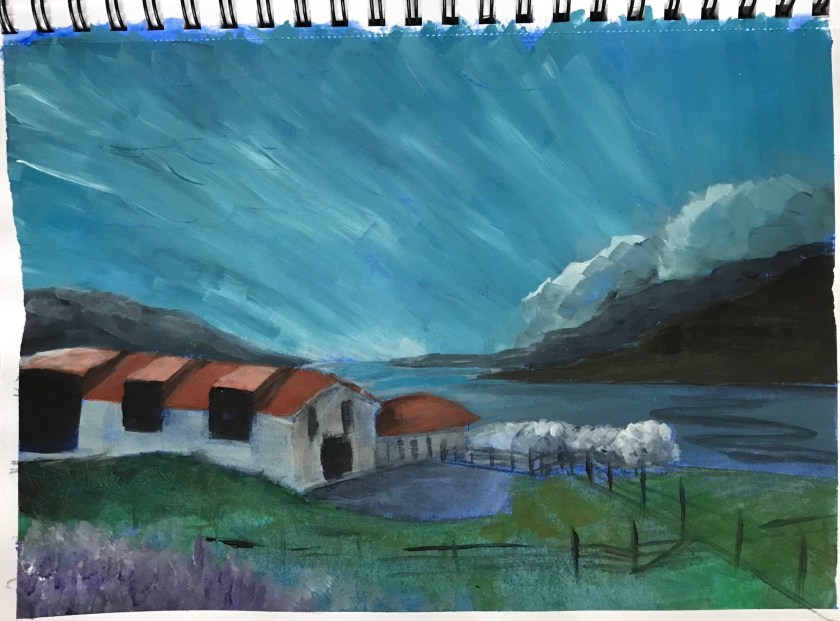
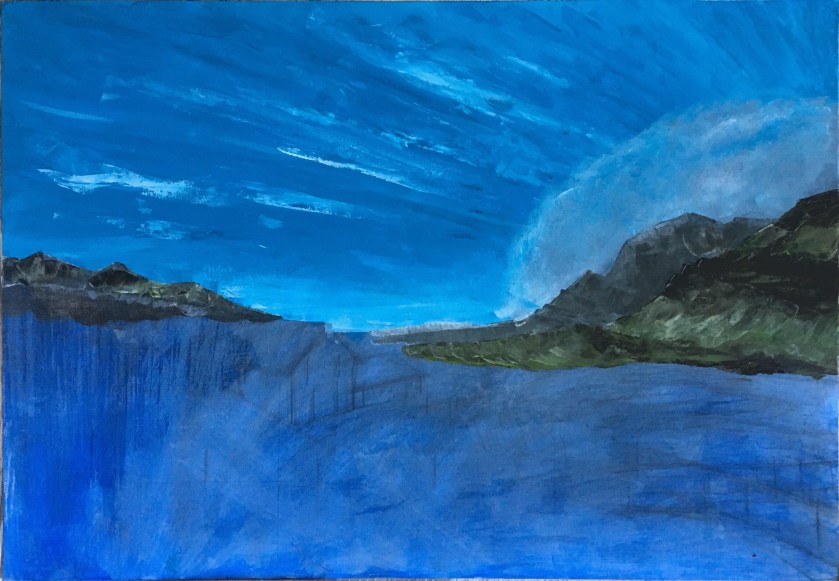
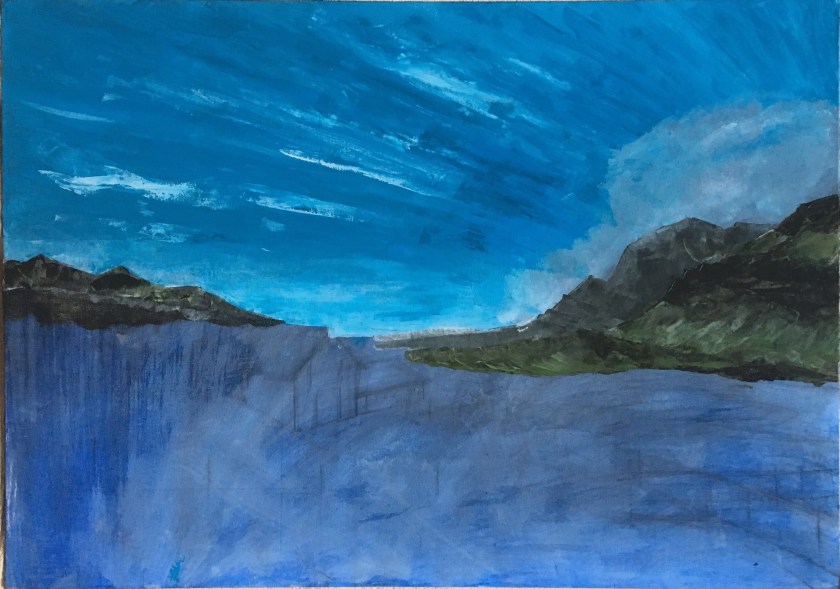
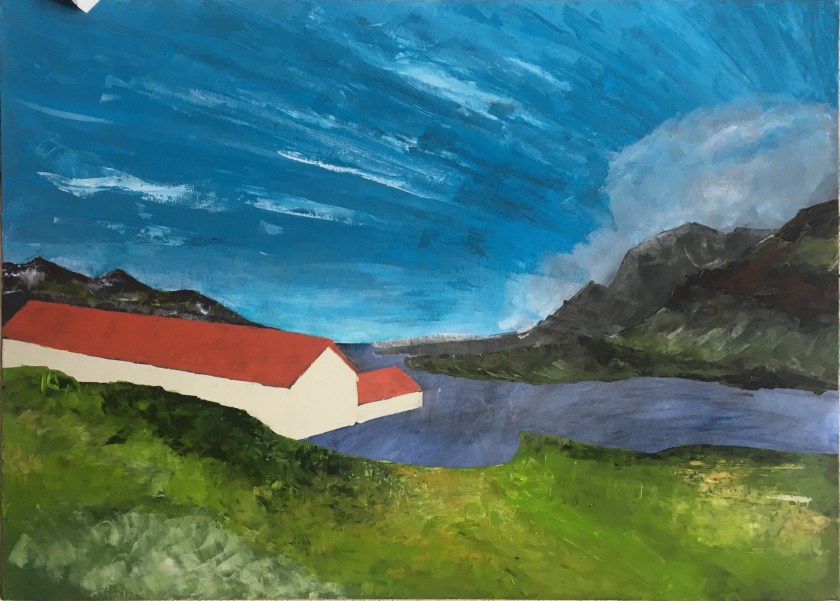
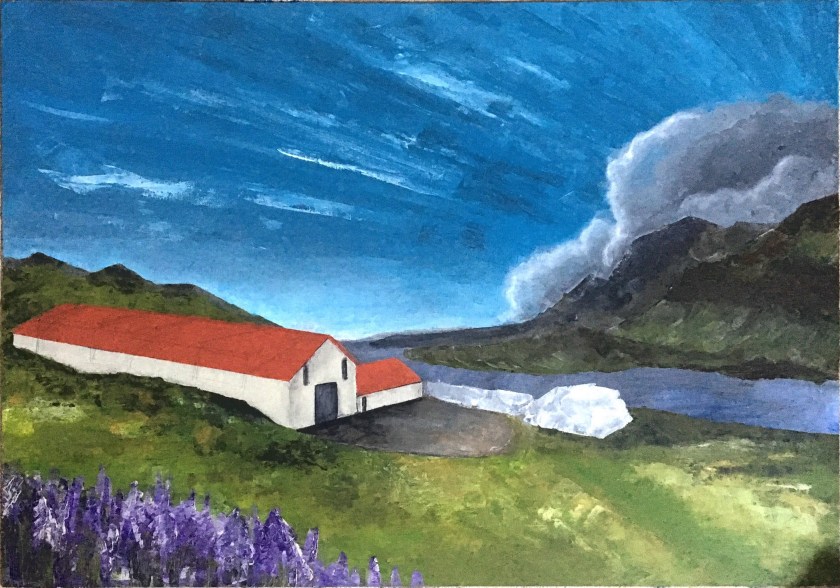
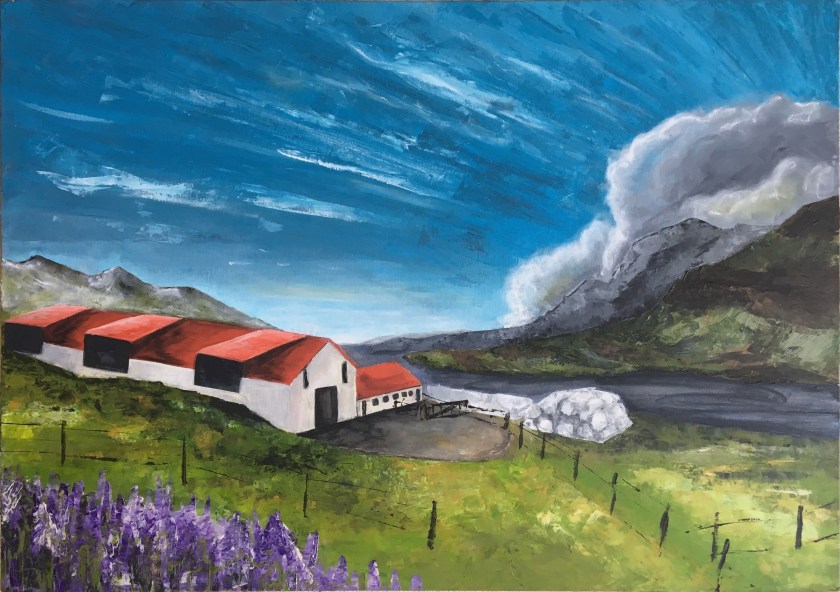
Through the first half of painting, After blocking everything in and adding detail, I feel I was not interpreting the photo; I was copying it, exactly what I didn’t want to do. I did decide to put everything of reference away and rely on my interpretative skills and memory. At this stage I was happy with the composition but it was looking a little ‘twee’. It needed a mood to maybe show the quickly changing weather of the country. I added in the mountain storm clouds.
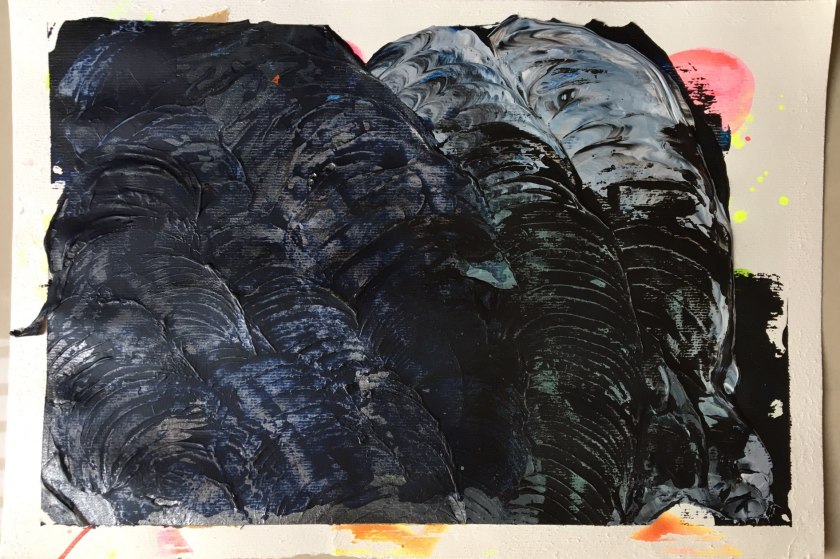
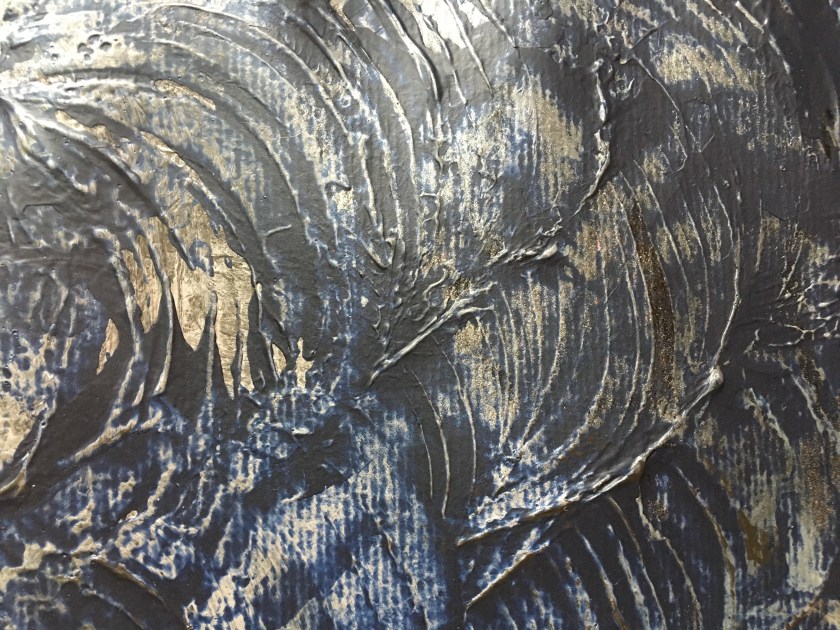
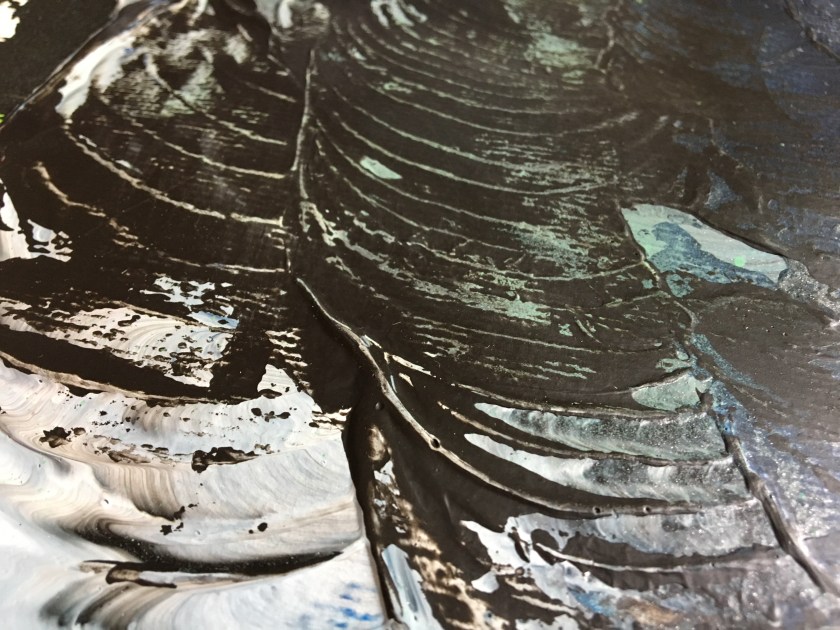
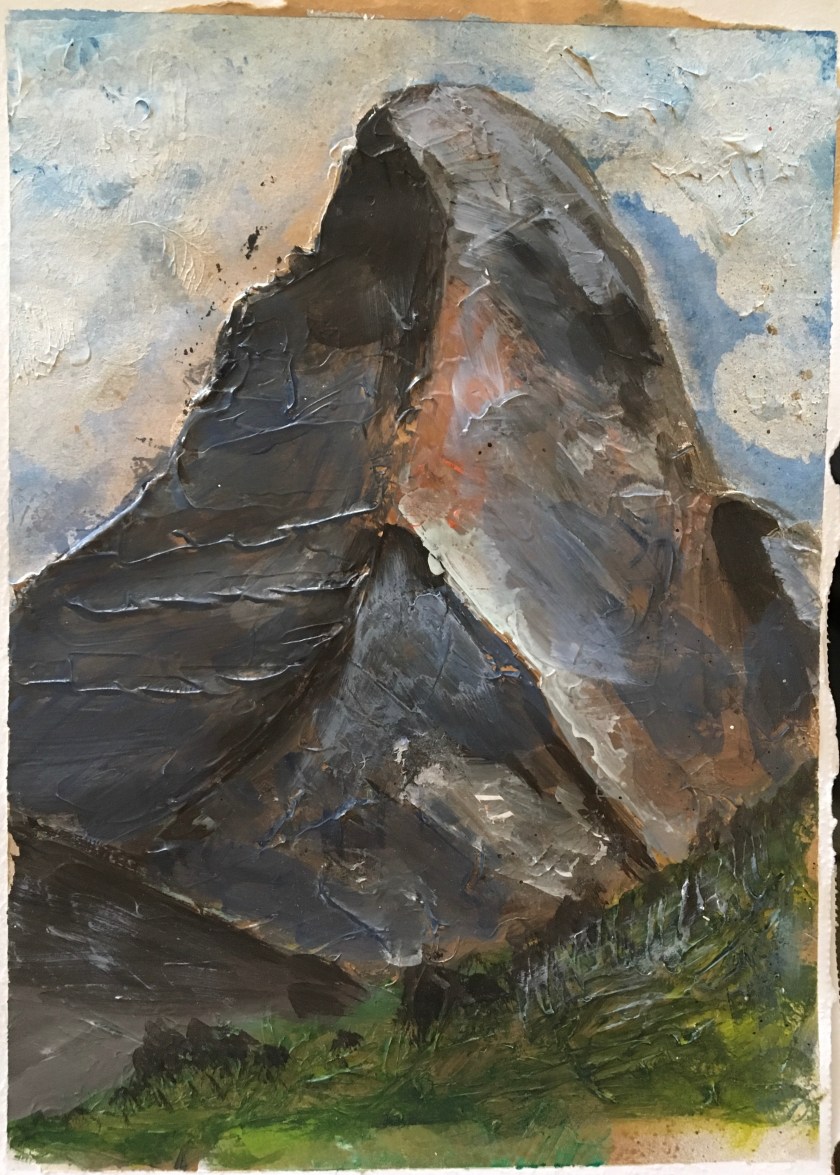
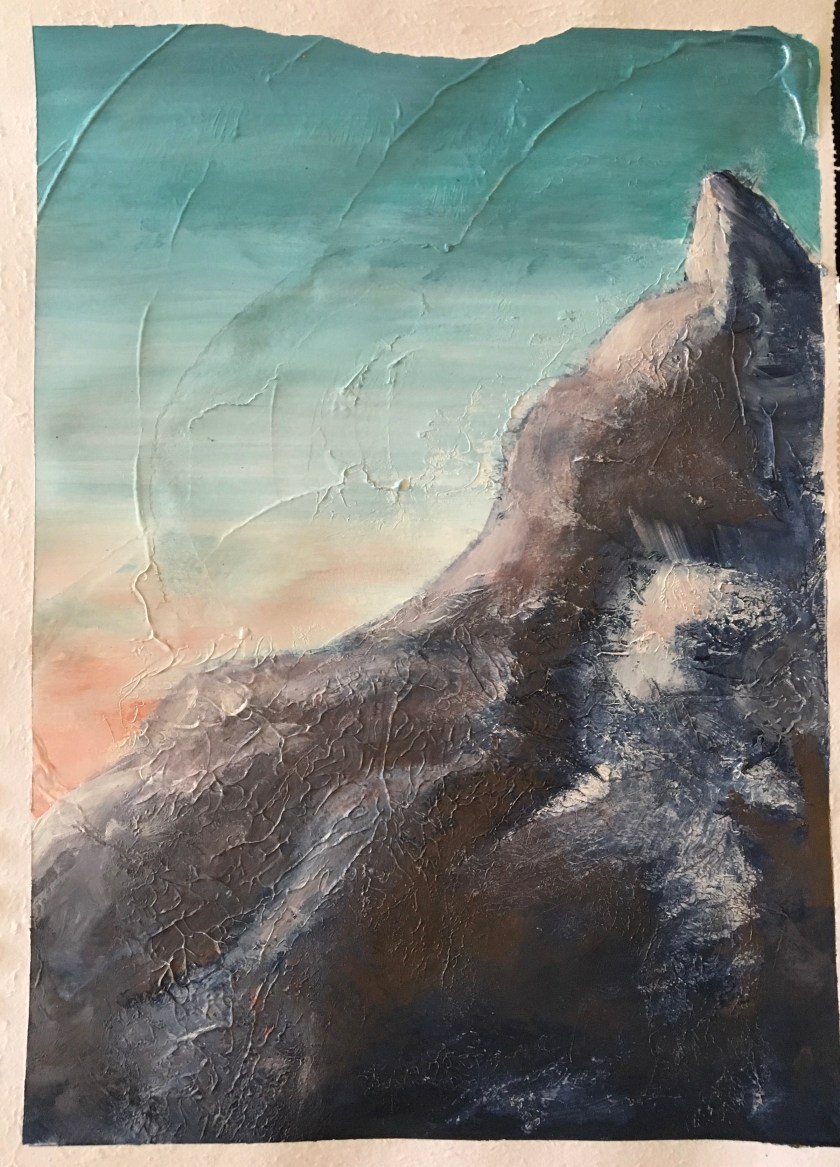
I wanted a more subtle, expressive piece allowing a more abstract interpretation. Maybe assignment 5 will help me return to this. I am not entirely happy with assignment 4 as a result. Although like my other assignments, it did end up evolving. I have been trying to fit within the confines of the exercises but surely these exercises are open to interpretation and so I acknowledge my time restrictions have contributed to a less investigative piece. However, I moved away from the brush and used palette knives, pieces of card and my fingers in this work. I think it matched the fleeting light and ruggedness of the natural landscape and enjoyed this digression.
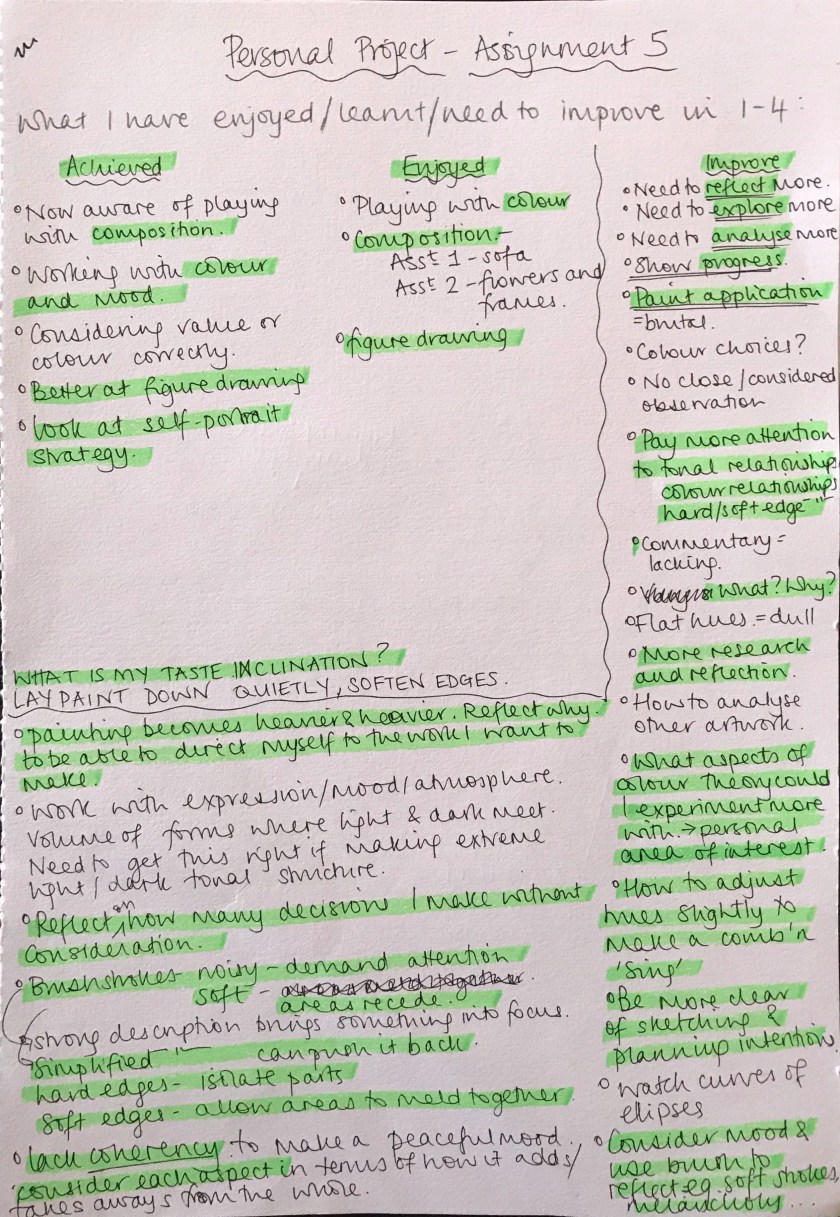
For my future plans for assignment 5, I will consider investigating framing for interest. I will work more from drawings and studies to develop the skills of detaching from photo references and trying to replicate a perfect replication. I still want to work in a lighter, more expressive manner.
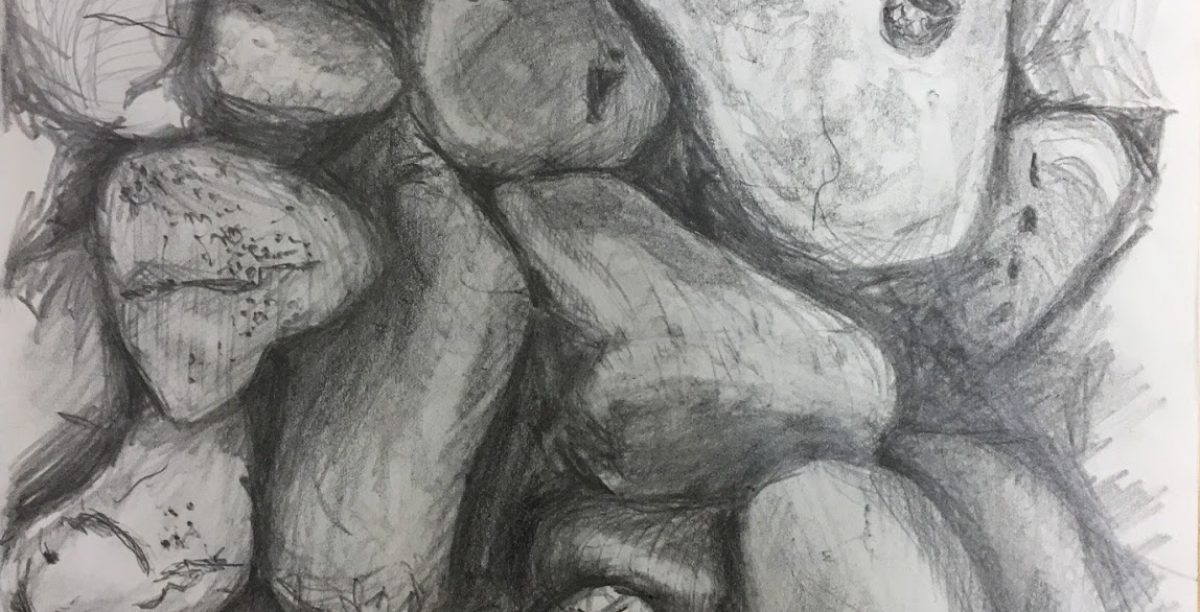
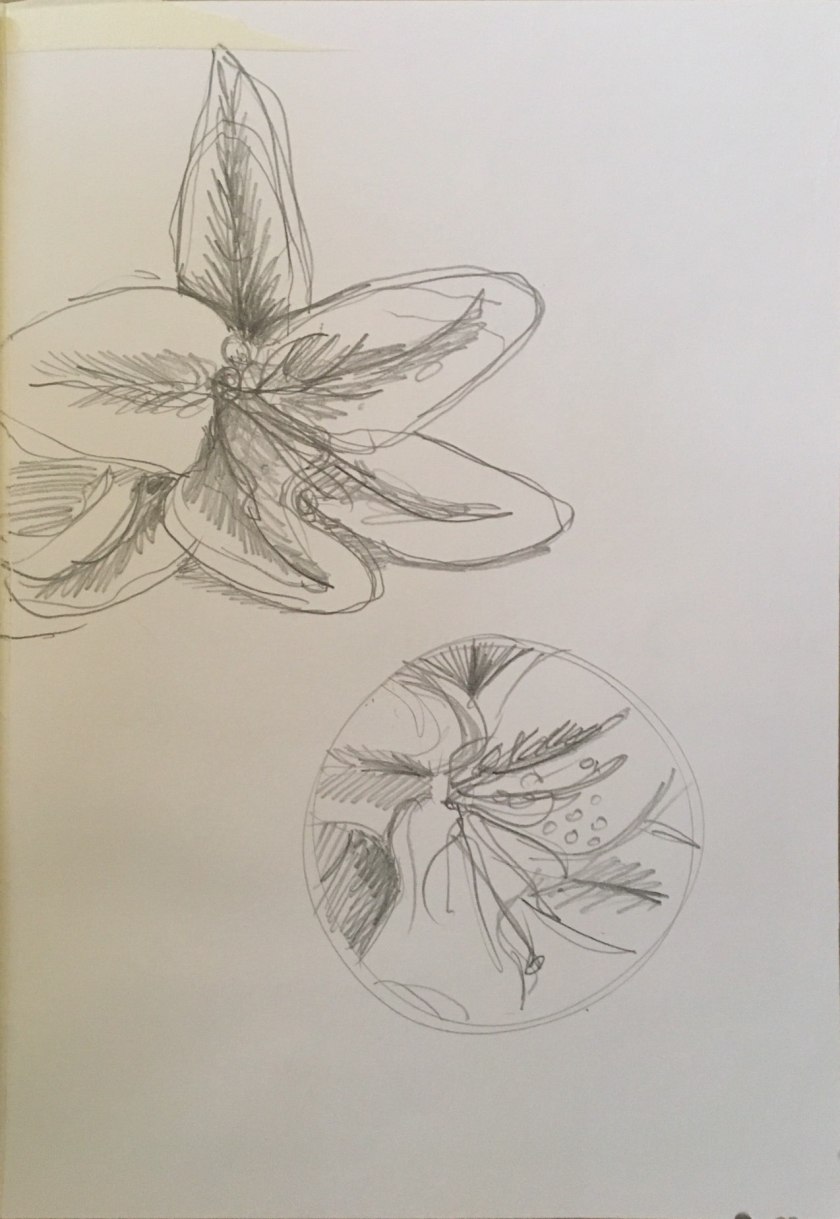
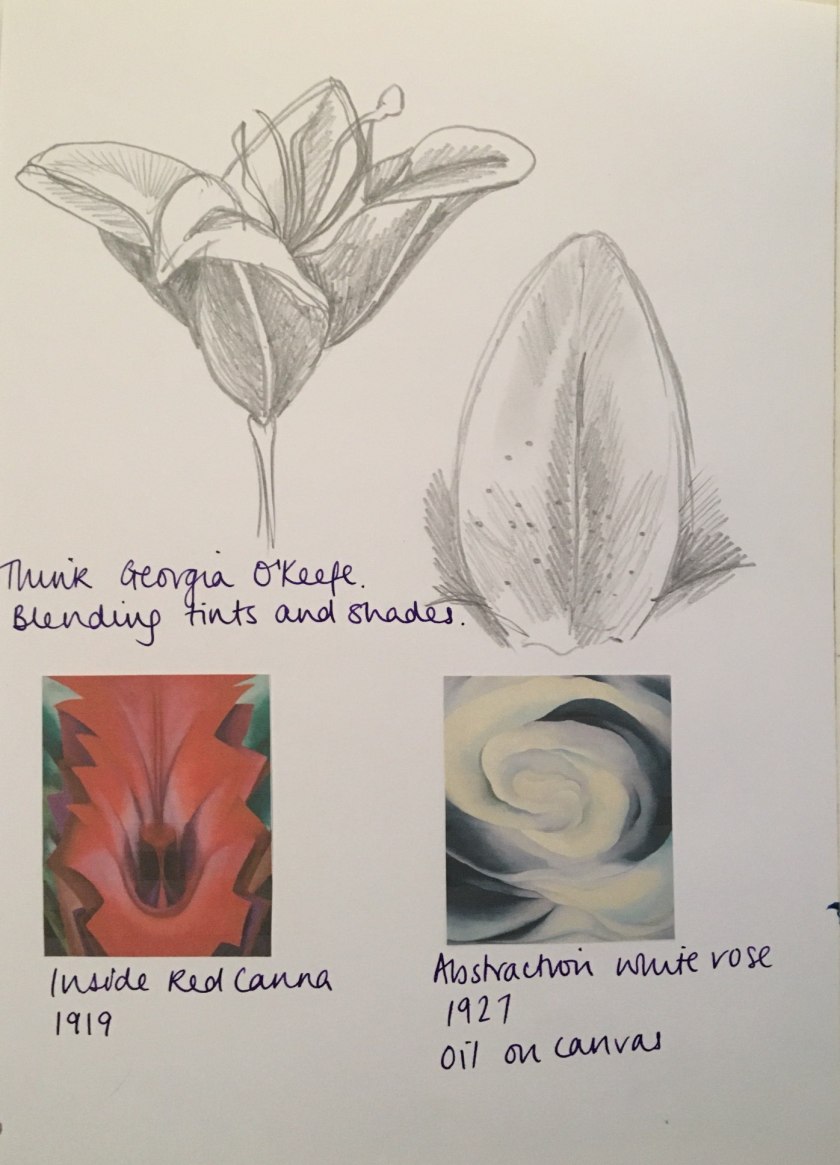
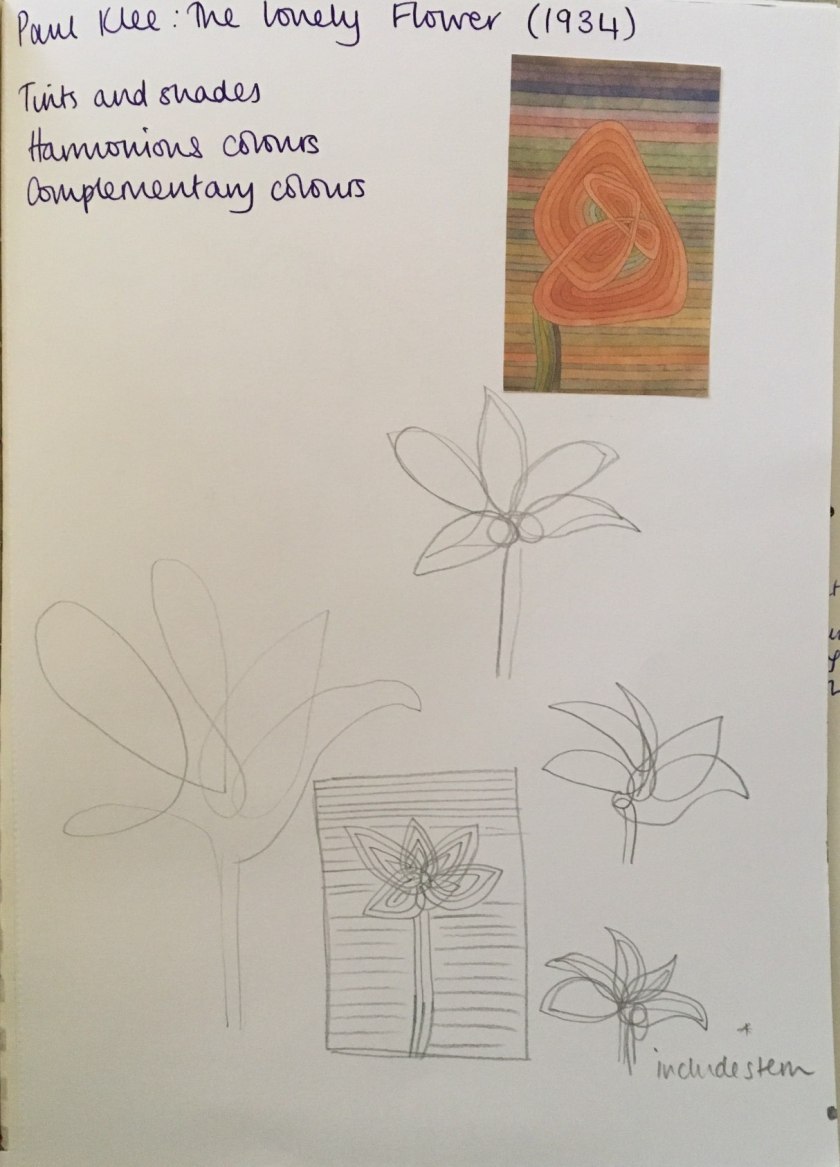

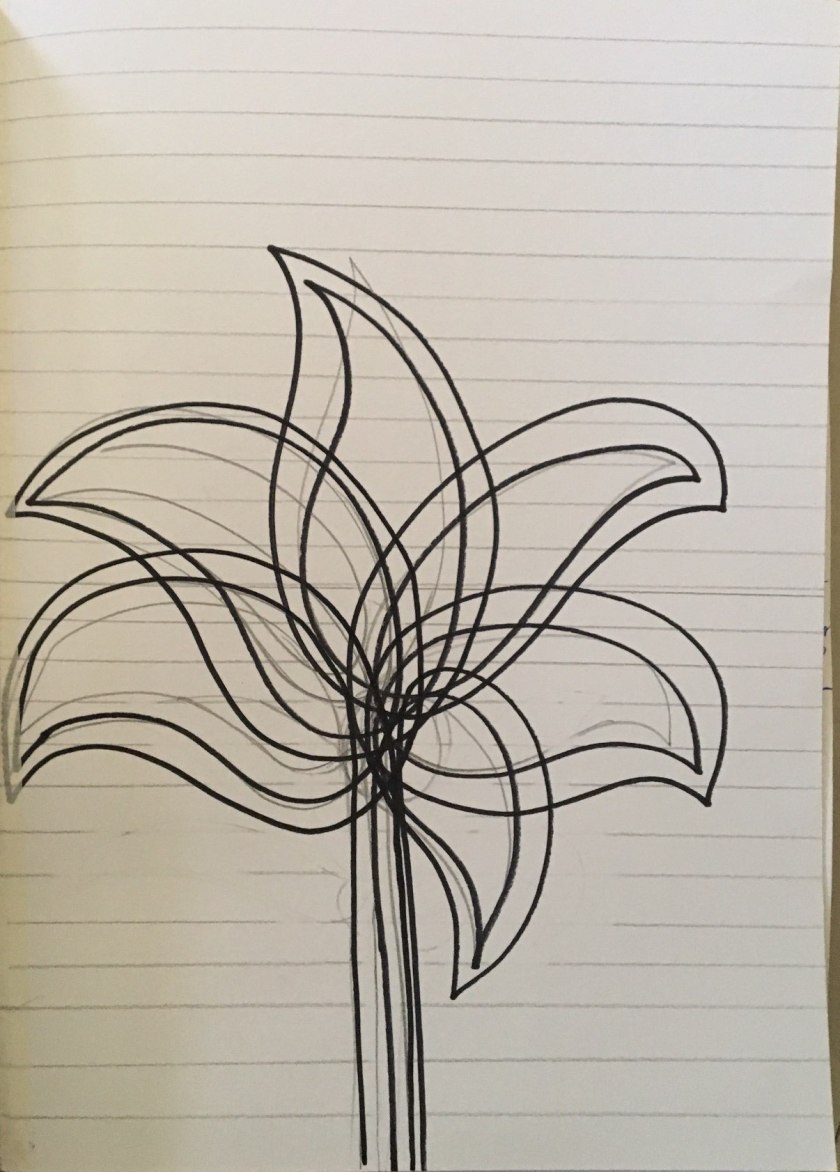


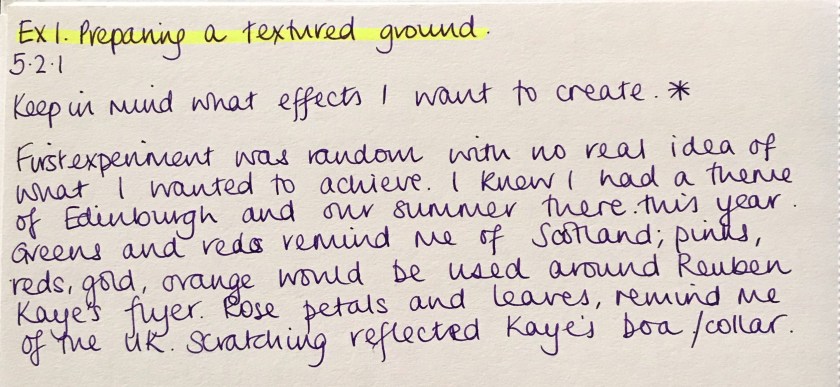
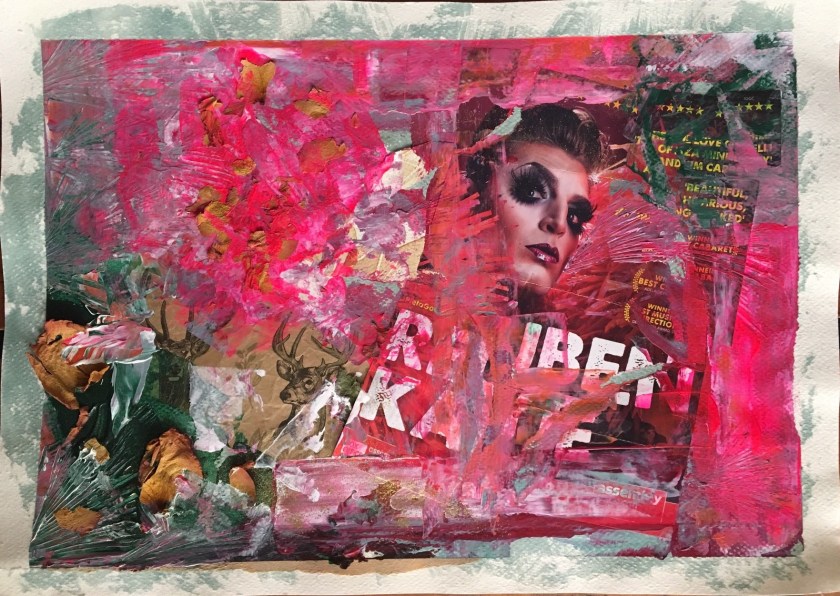


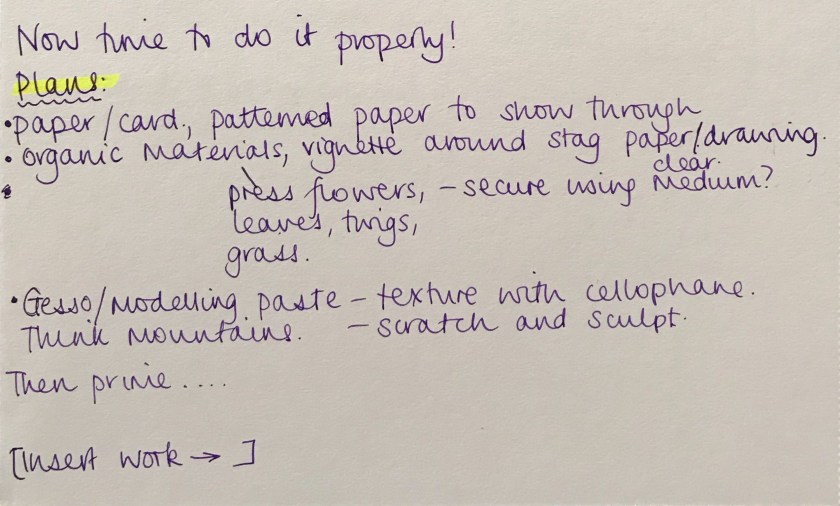
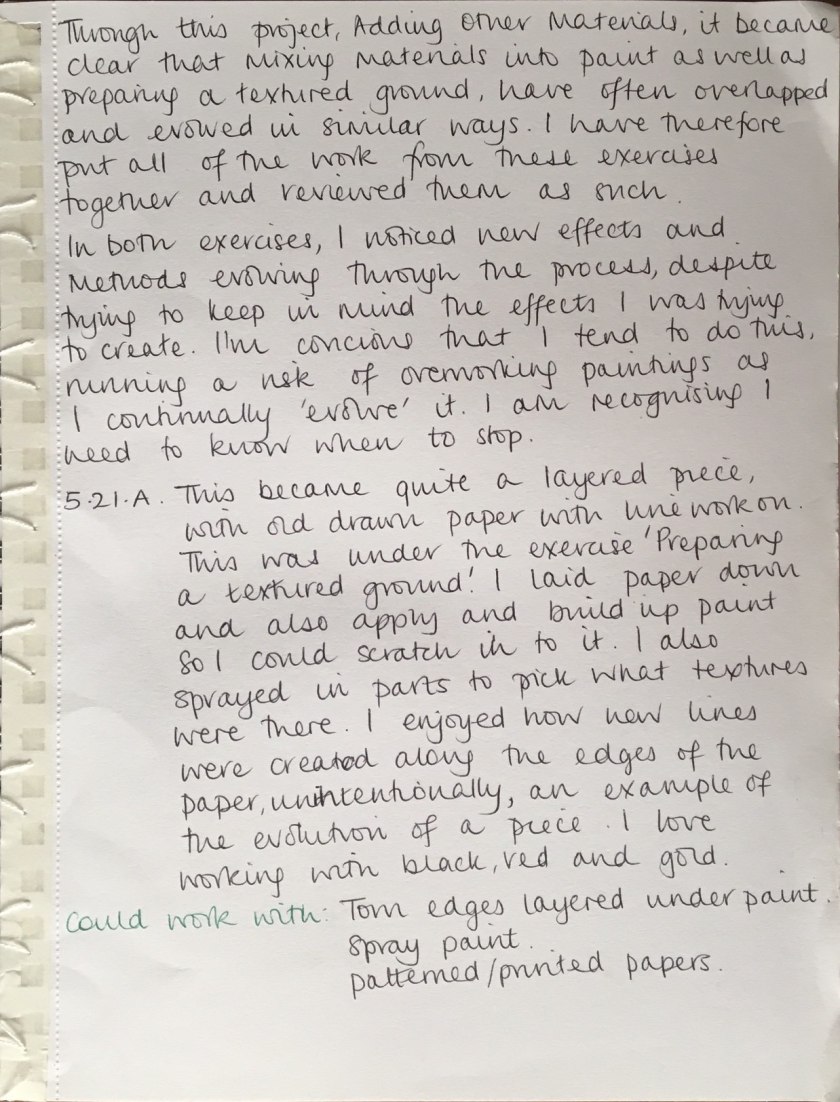
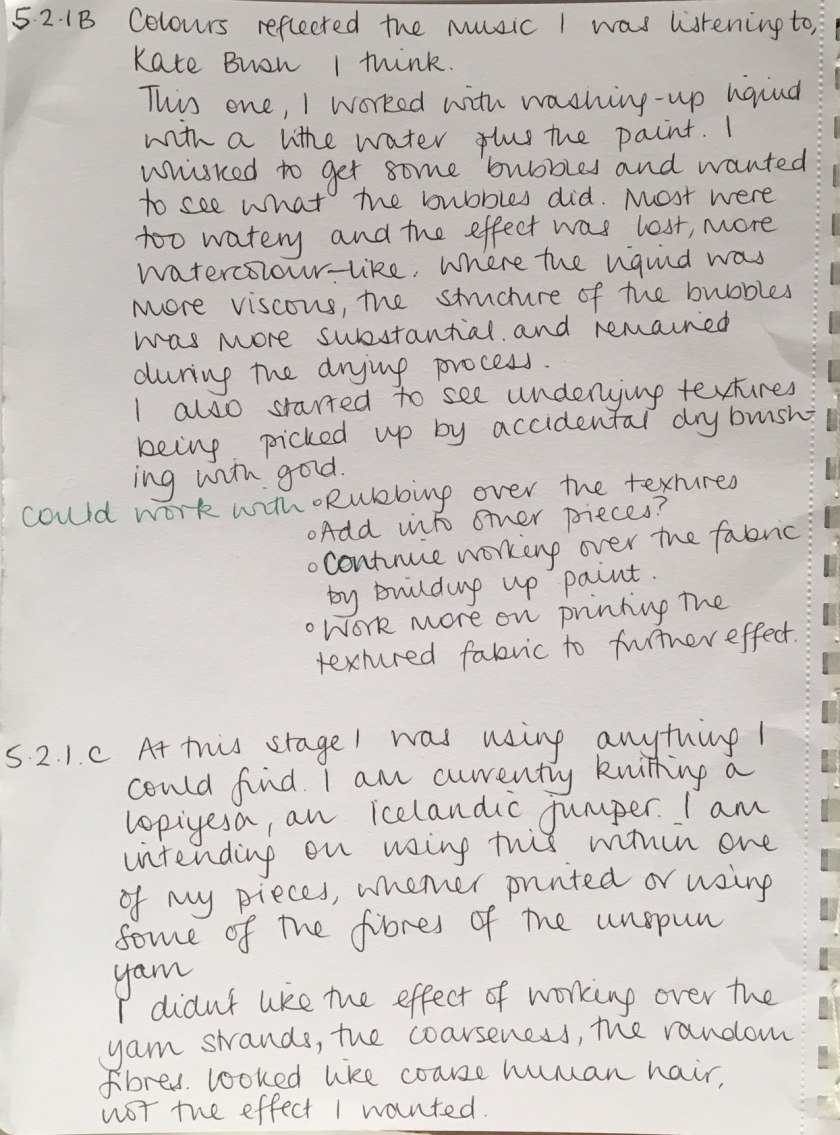
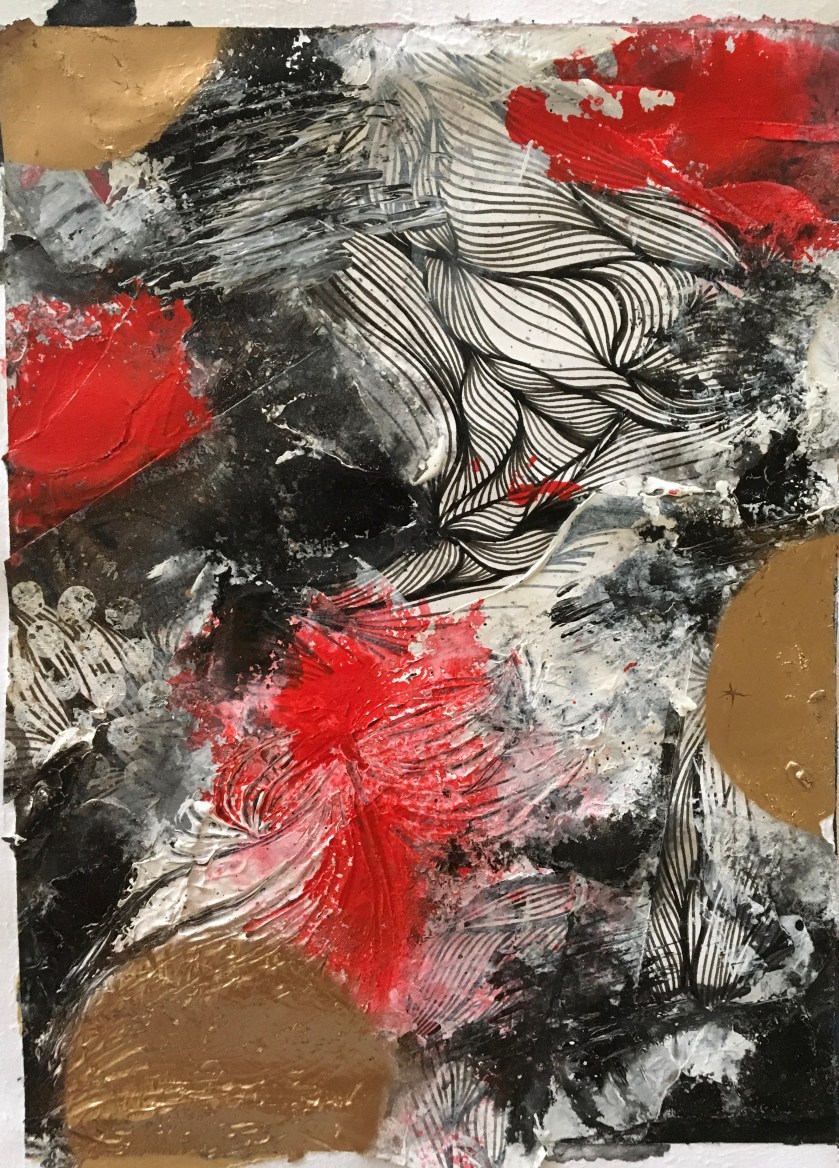


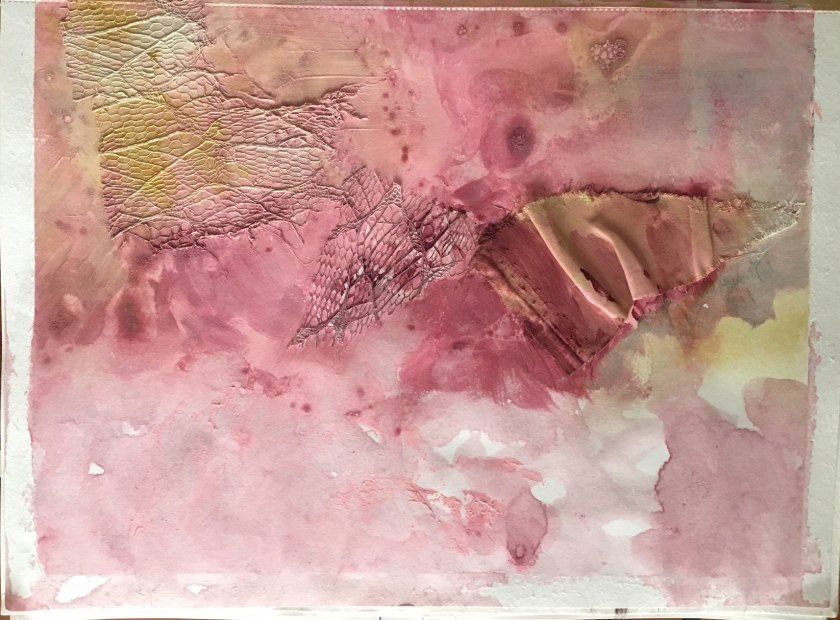


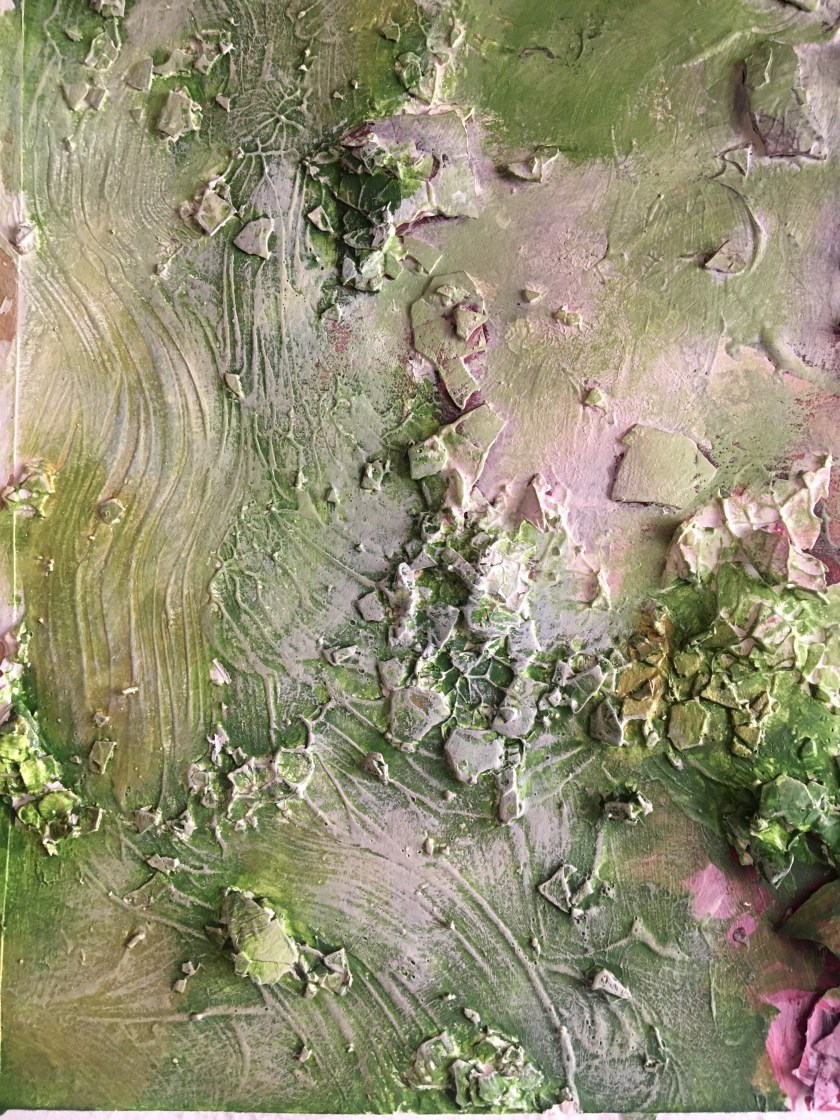


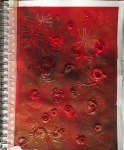
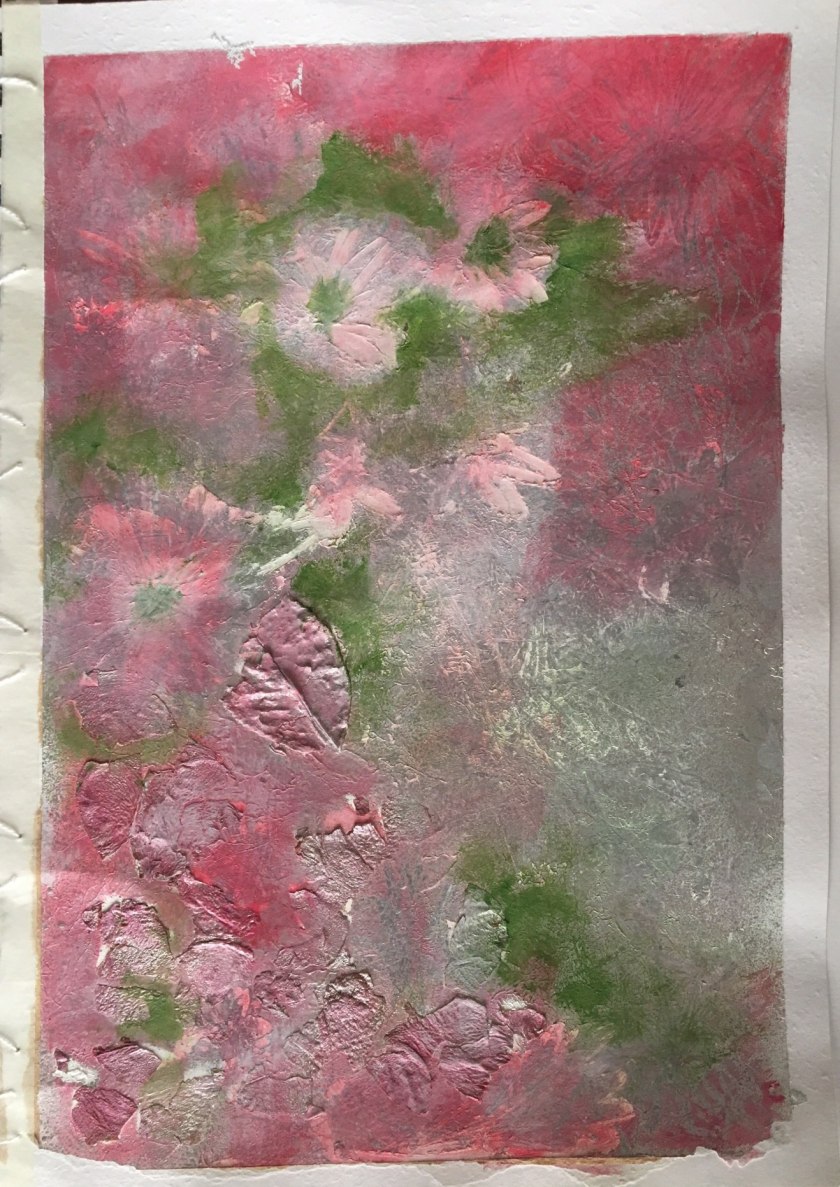


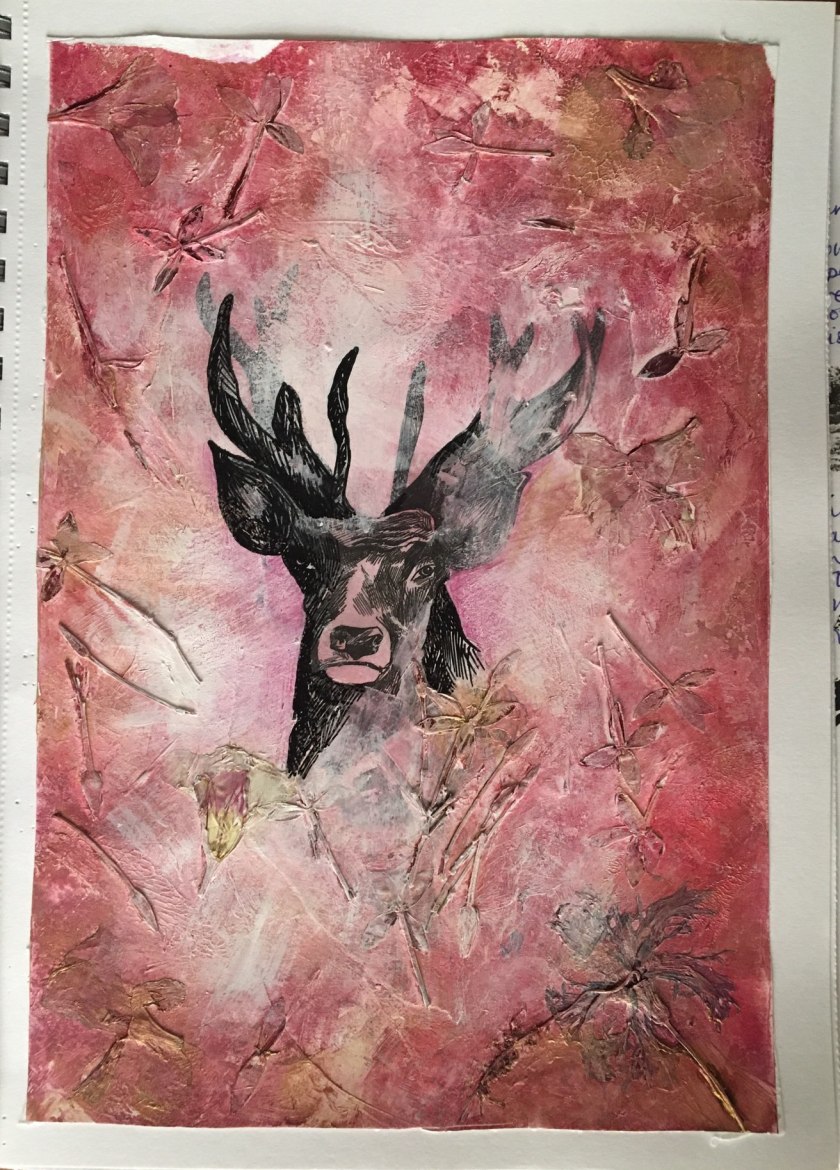


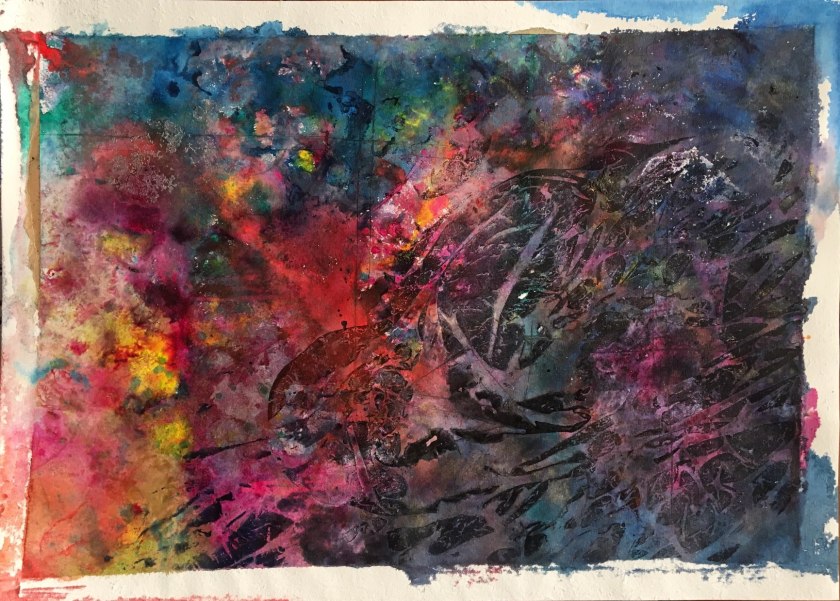
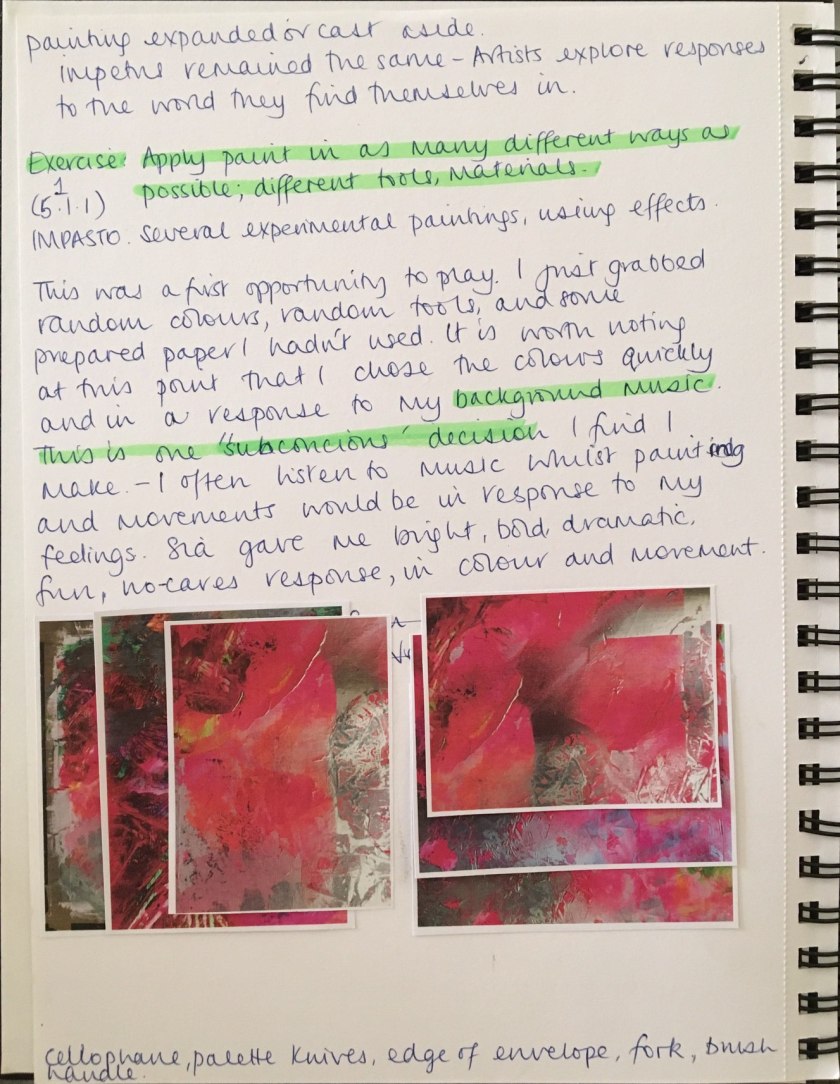
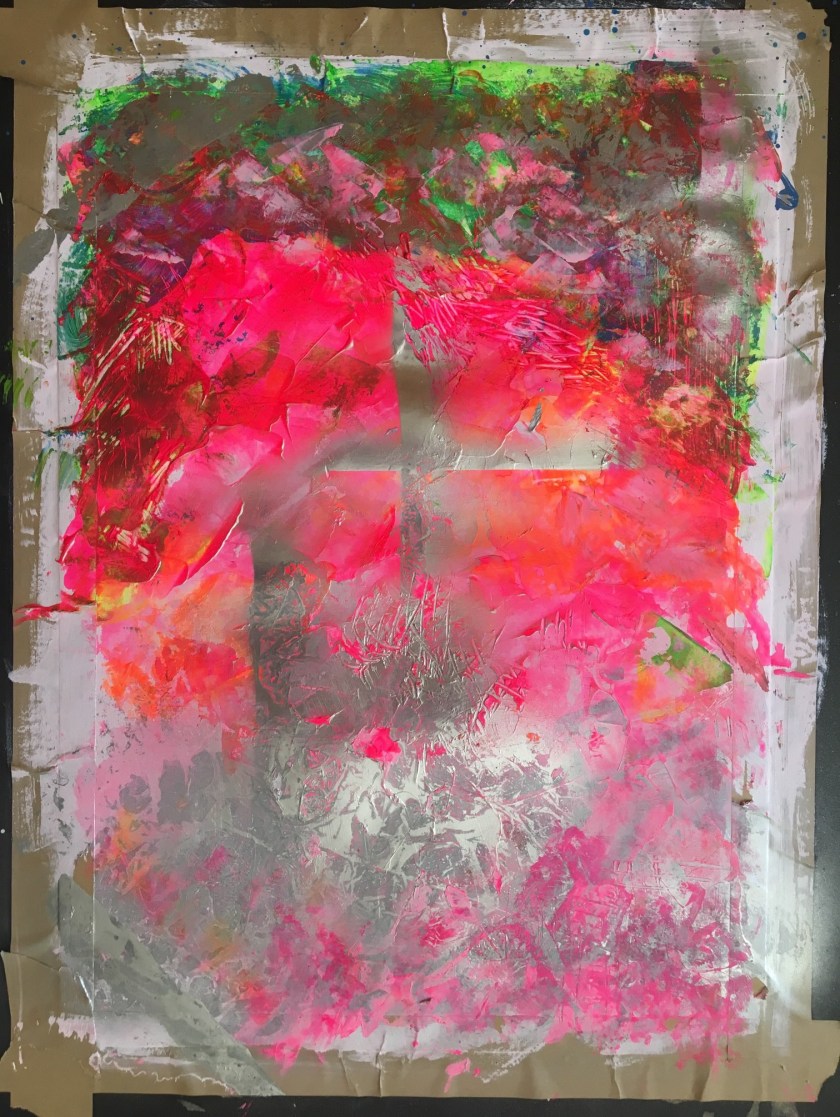
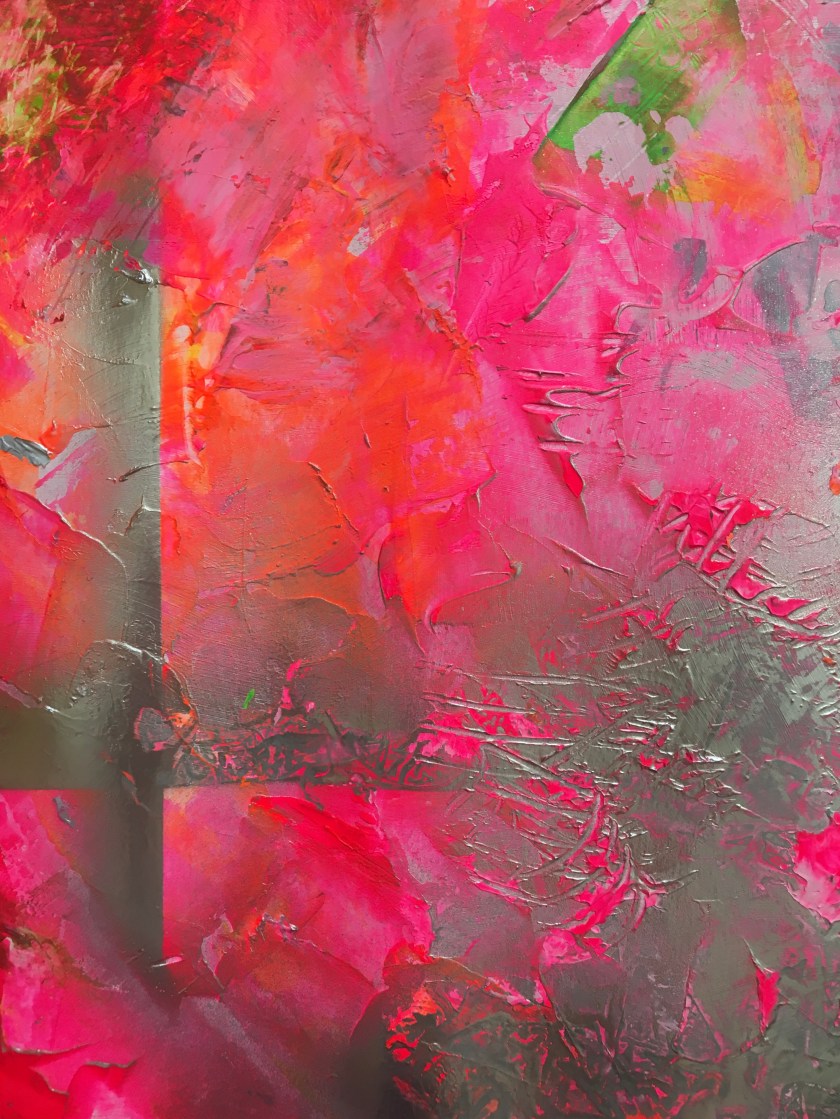
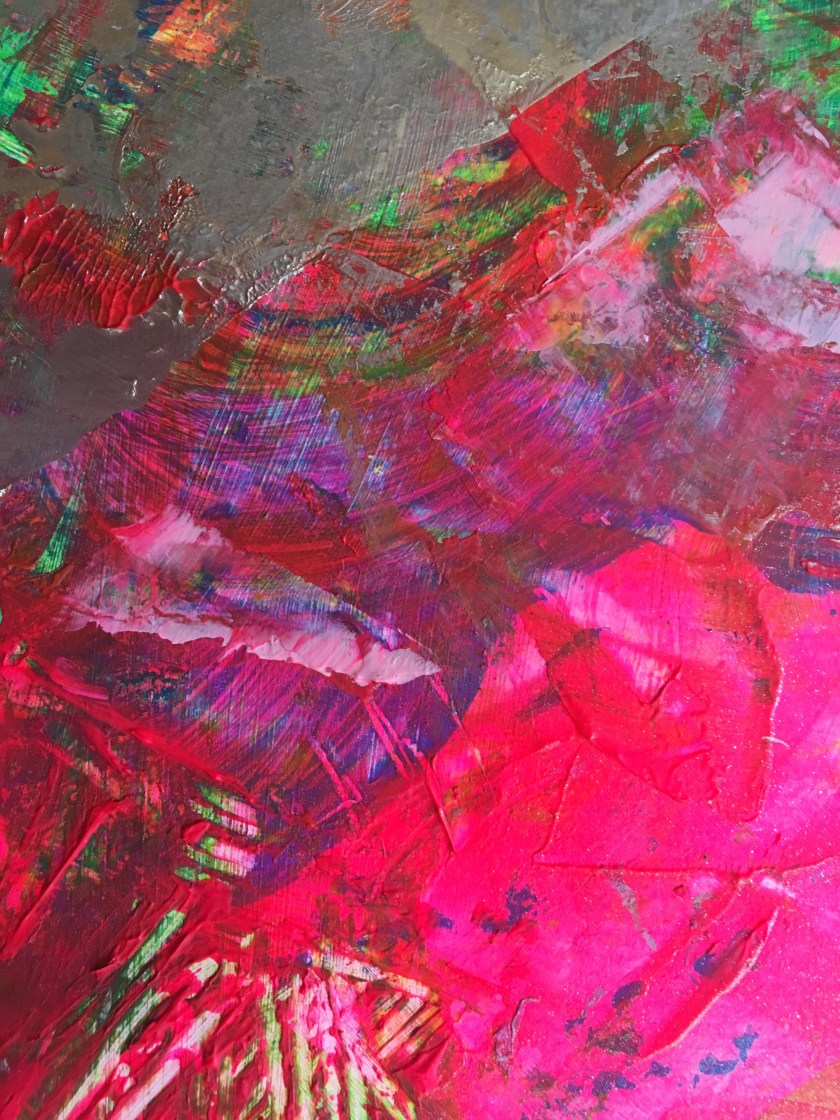
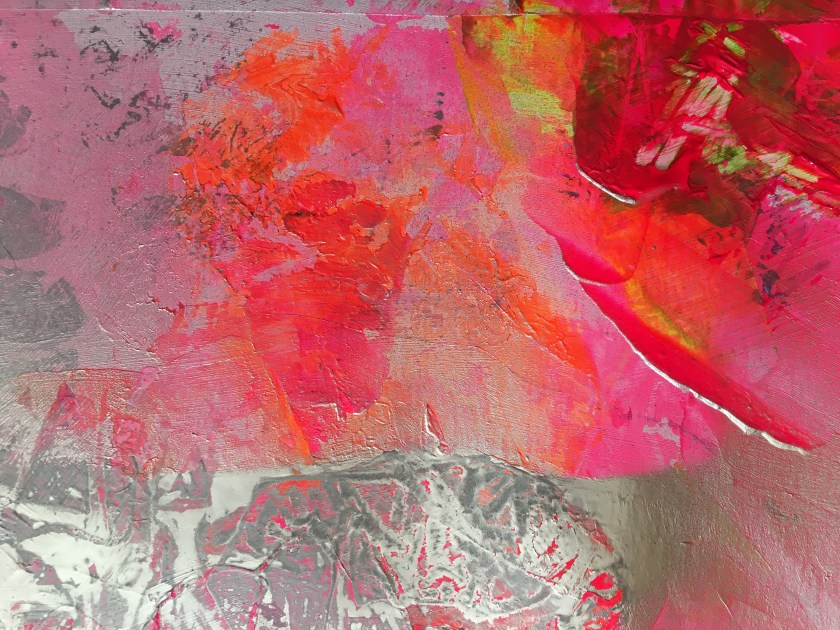
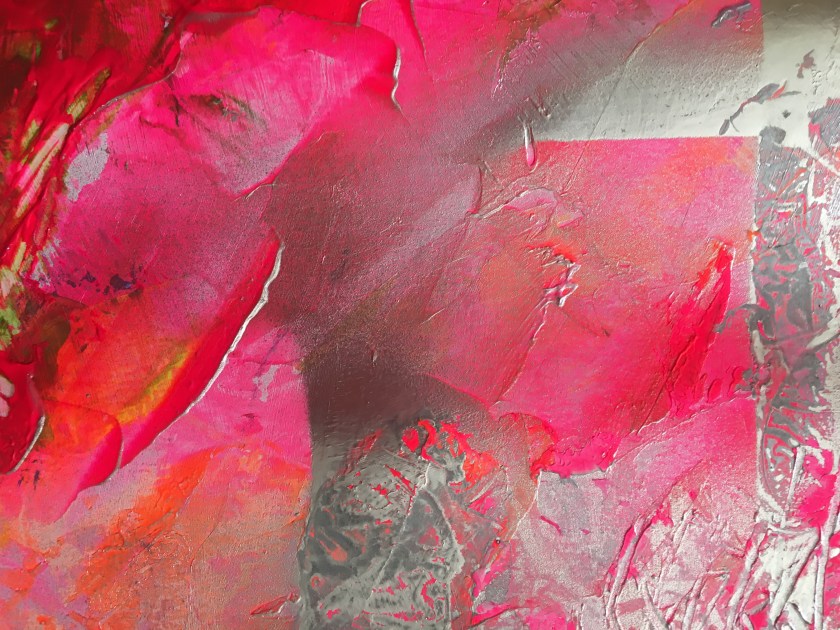
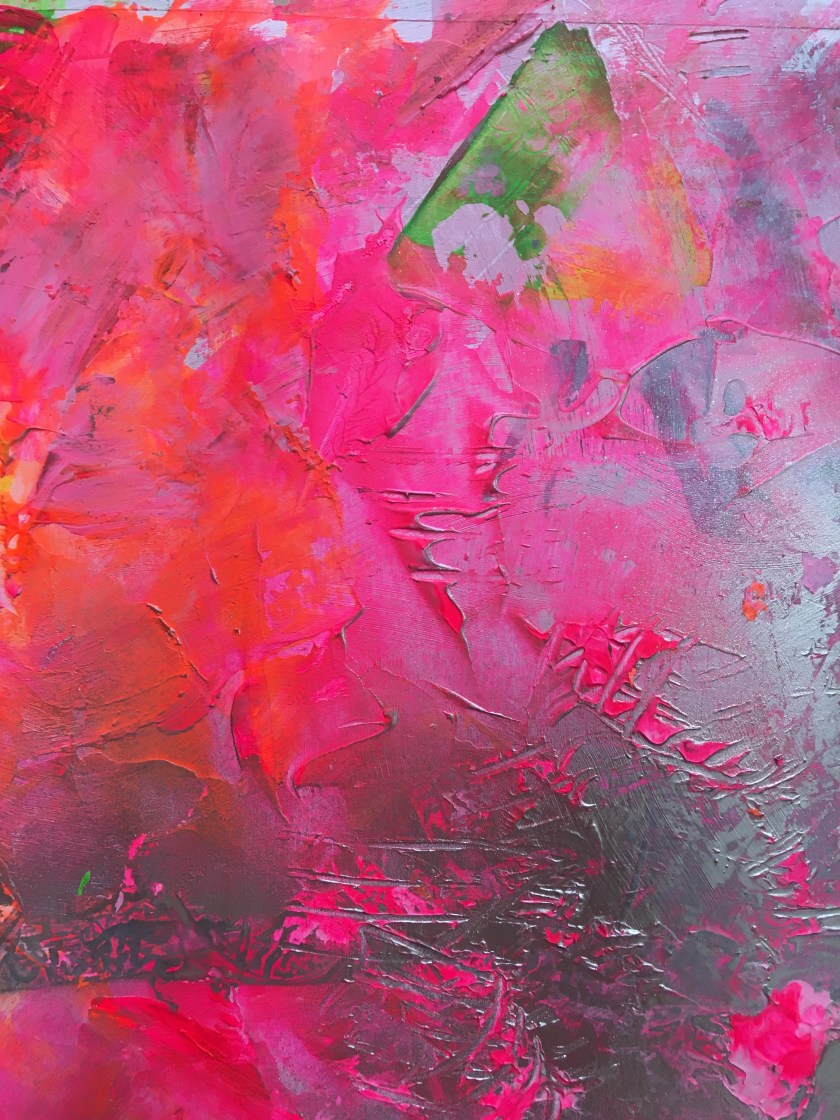
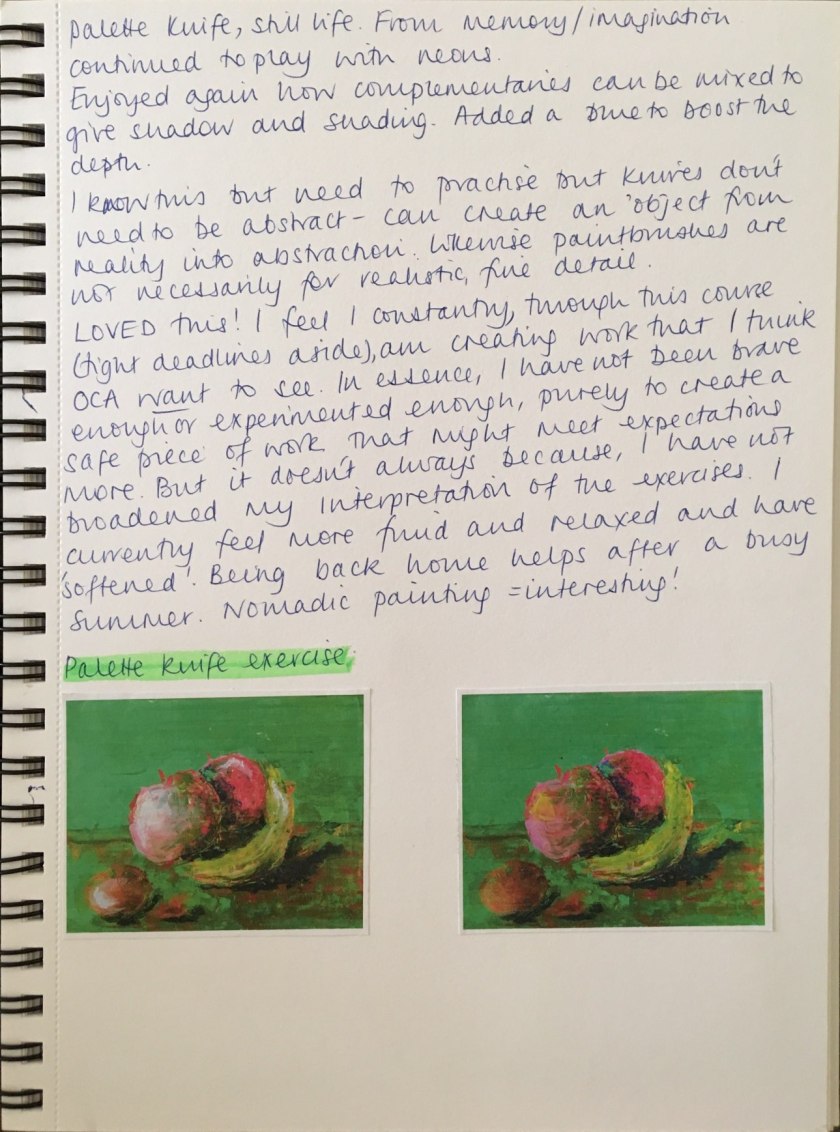
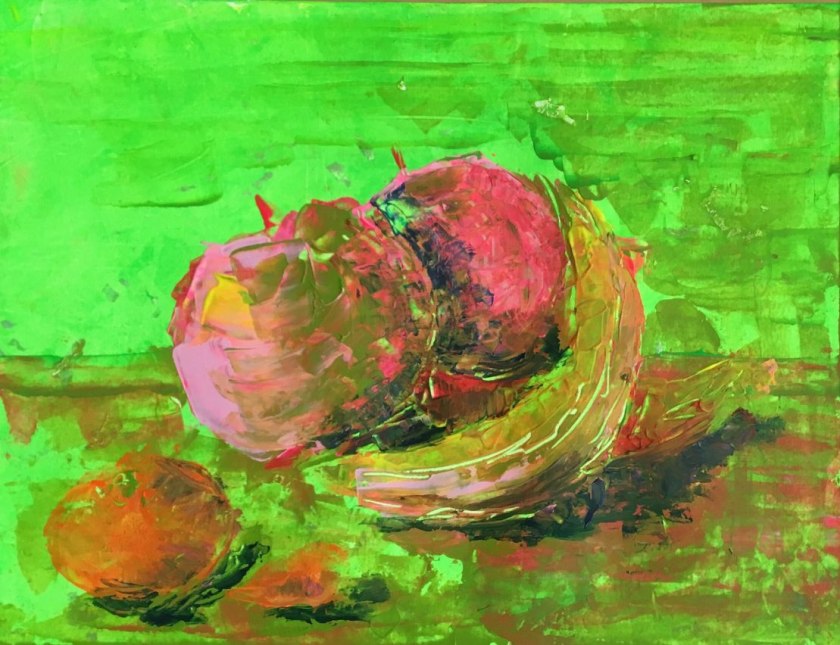
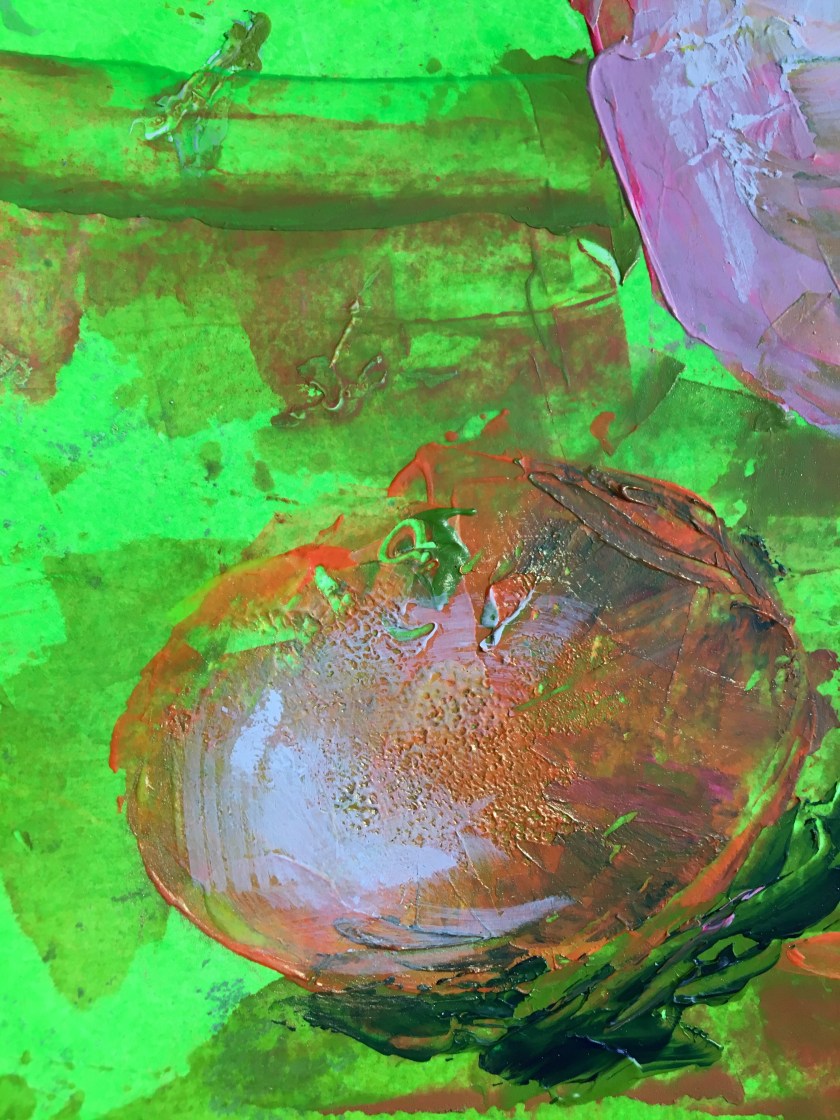
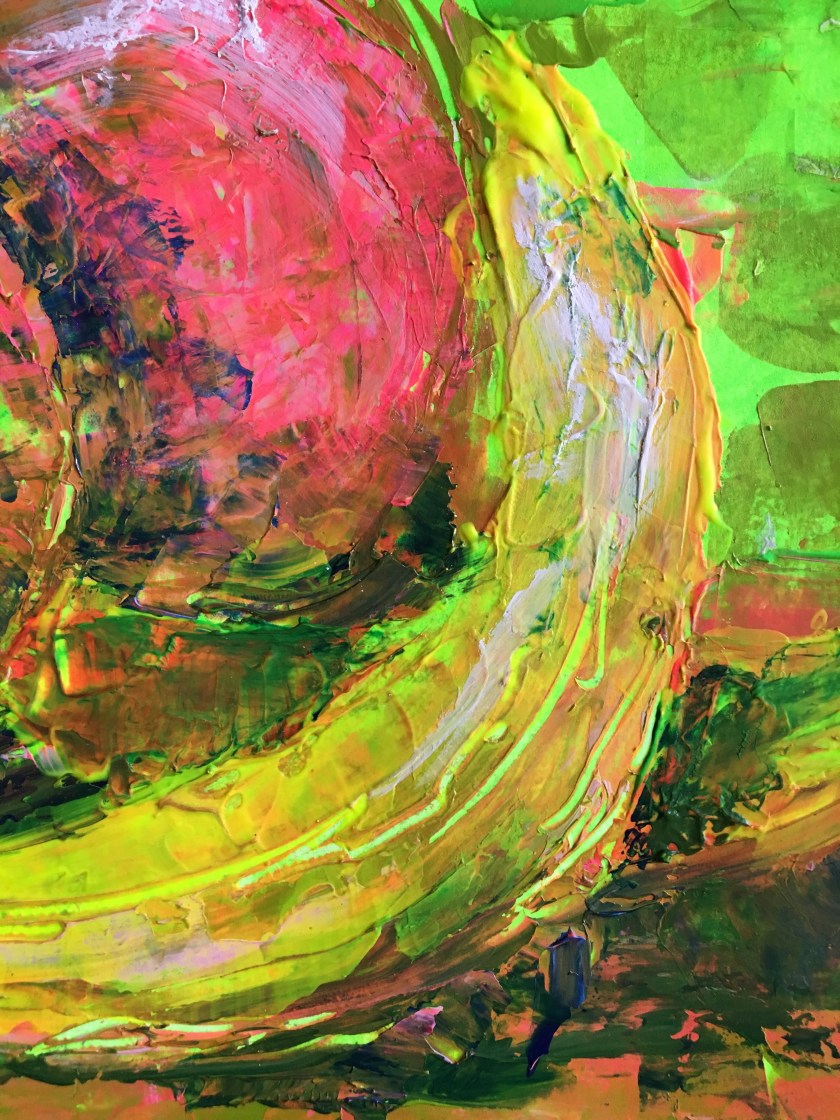 I used a discarded sponge to add texture to the orange and then wanted to see how chalk works on the relief. At first it was just a smudge as it was so soft; once that was wiped away, I used chalk again but did not touch it. As I did this, I became more aware of the abstraction and effects I had created and at this point was very happy so far.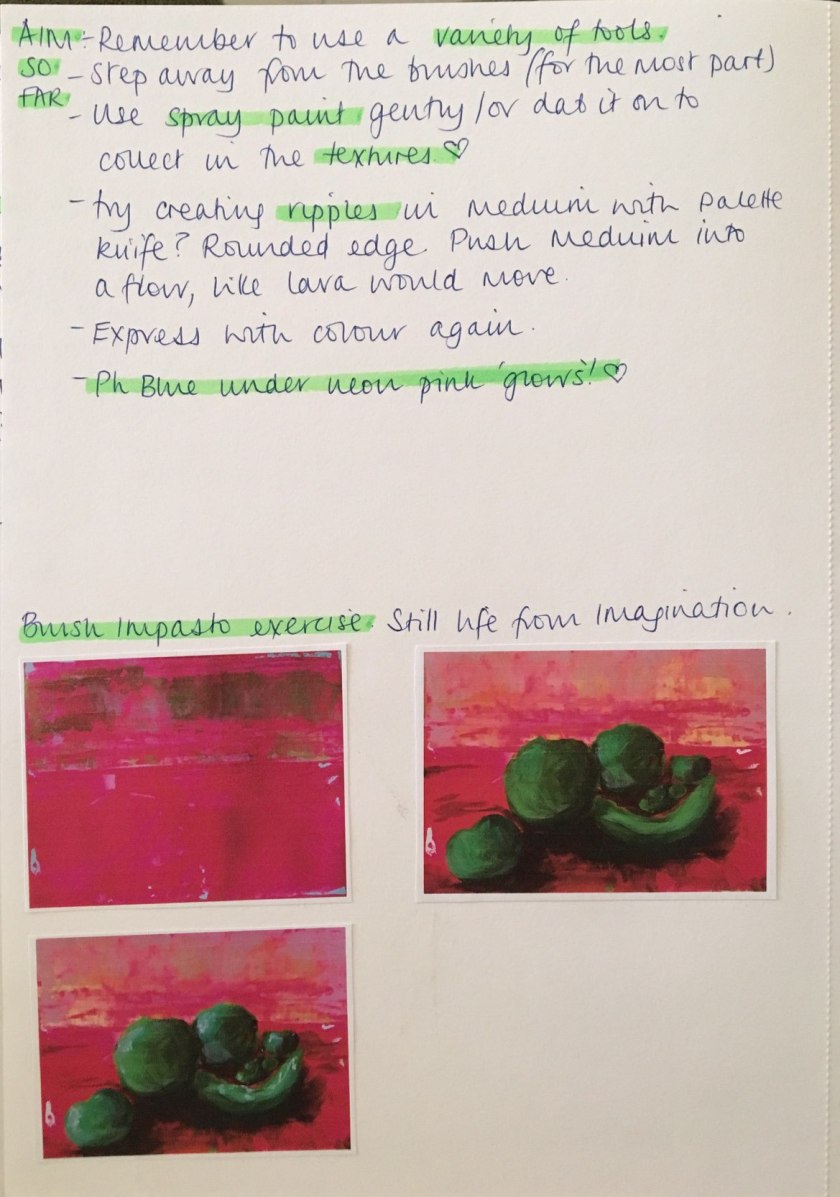






 Tea and Doodles