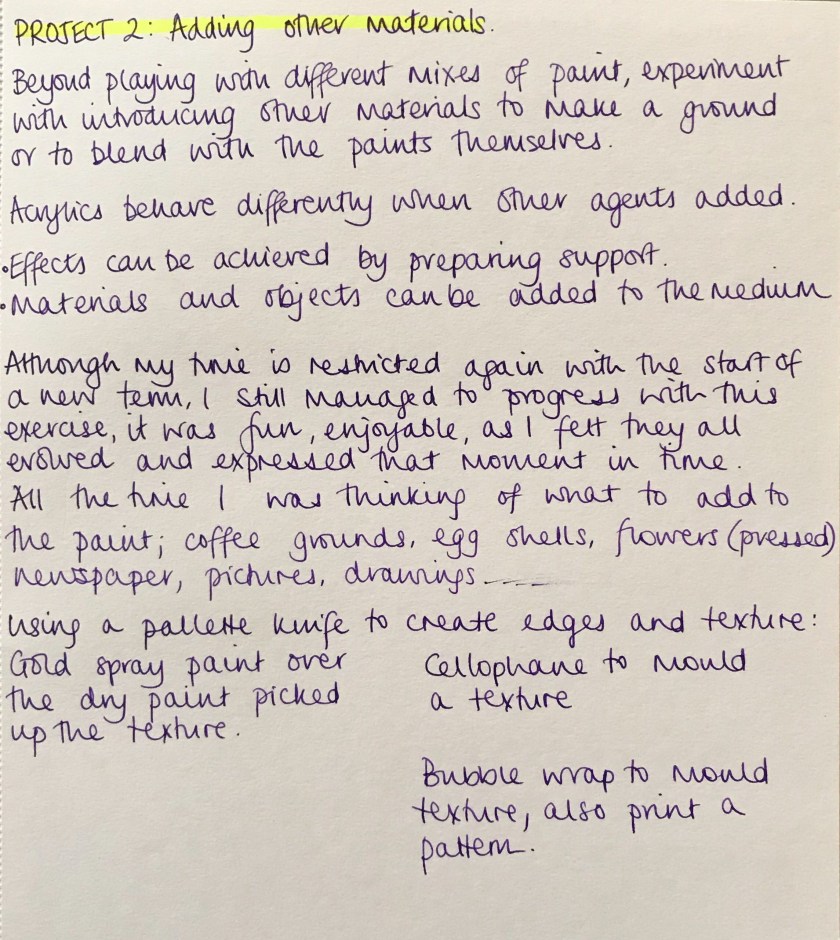
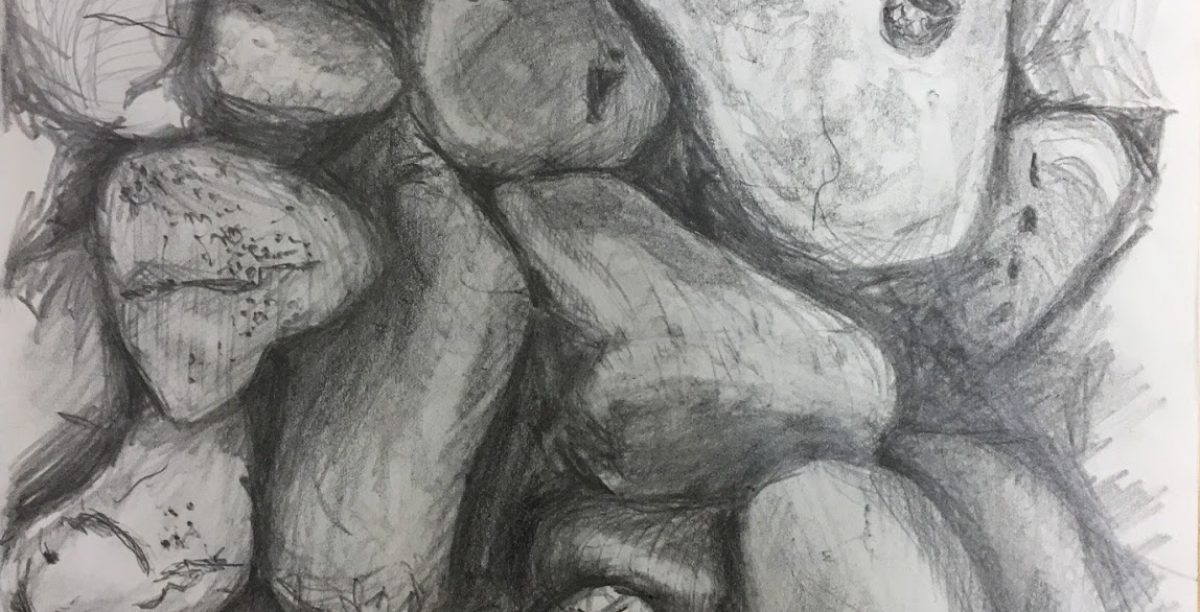
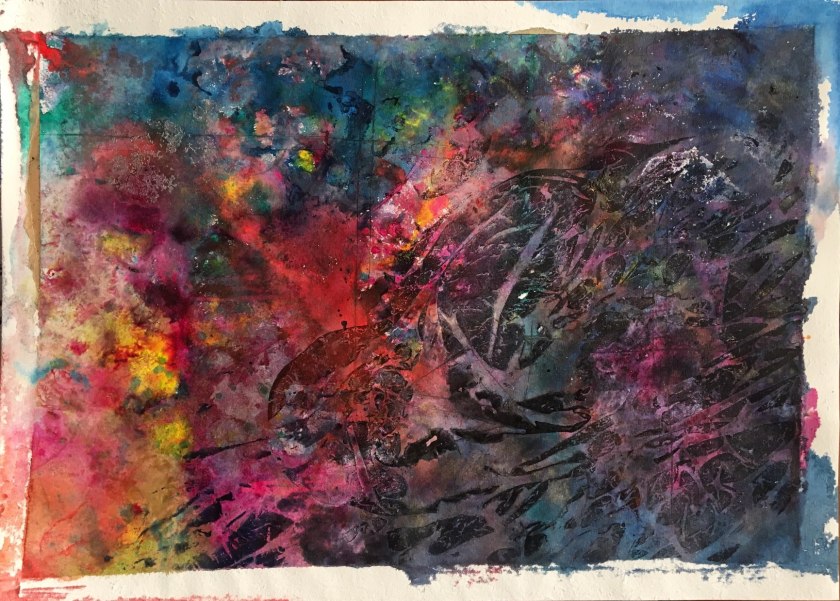
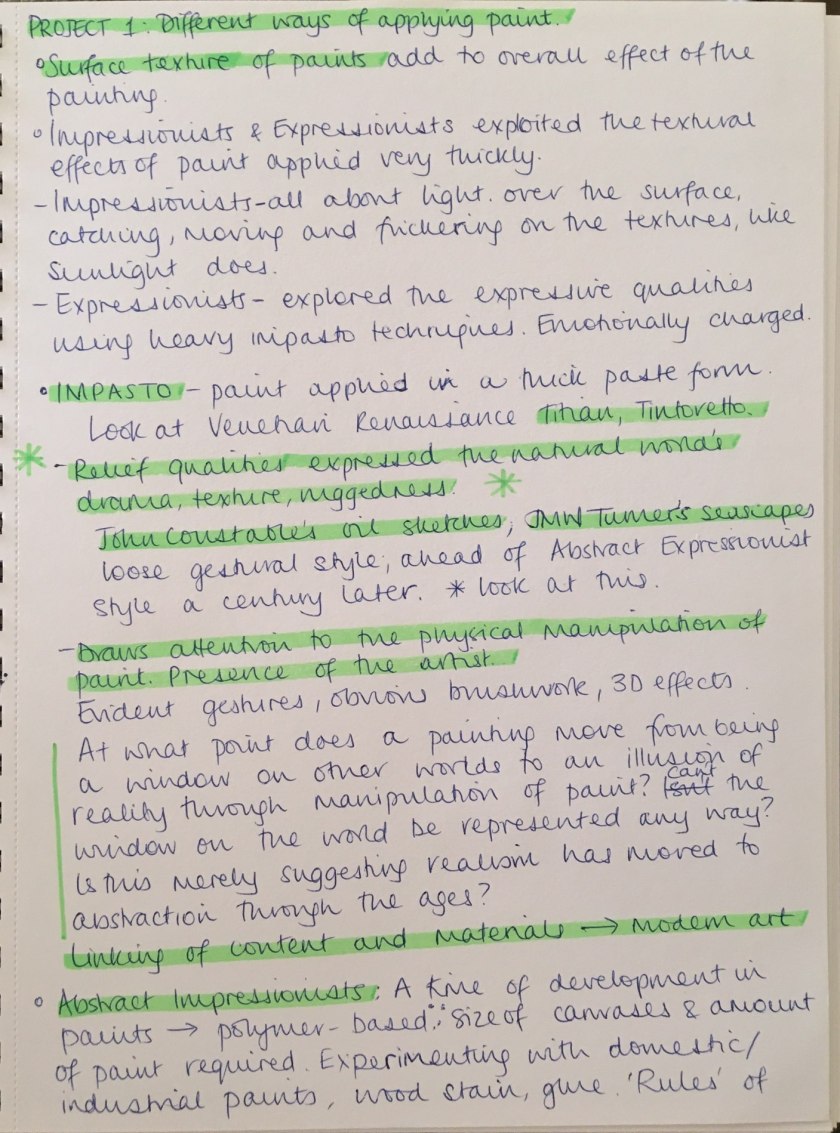
I enjoyed the prospect of this and in reflection this probably could do with more development. I realise that when I paint, I intuitively want to get on the ‘ground level’ as it were and physically manipulate and interact with the materials and paint. I felt restricted here in just pouring and spattering so I wonder if this exercise should be good for me to be able to take a step back and appreciate the unpredictability of the paint if i allow it.
So this piece started with the dribbling, painting and spattering and then took a different route, using water spray and plastic bags.
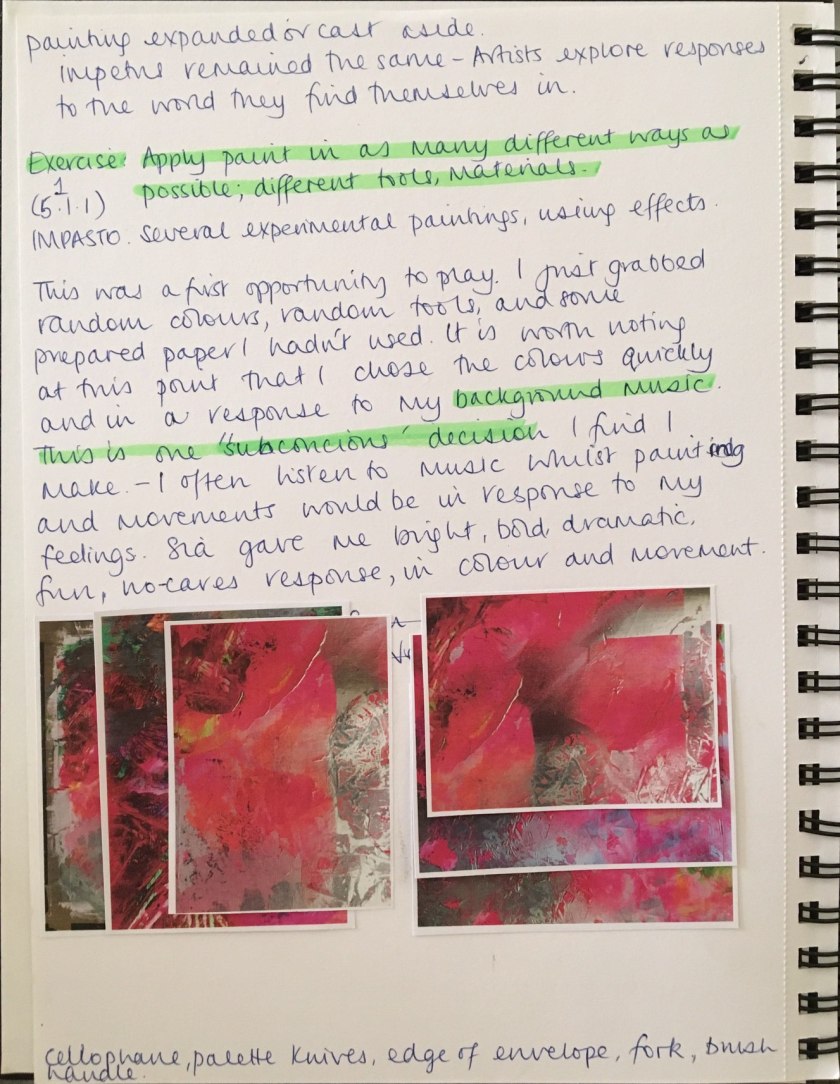
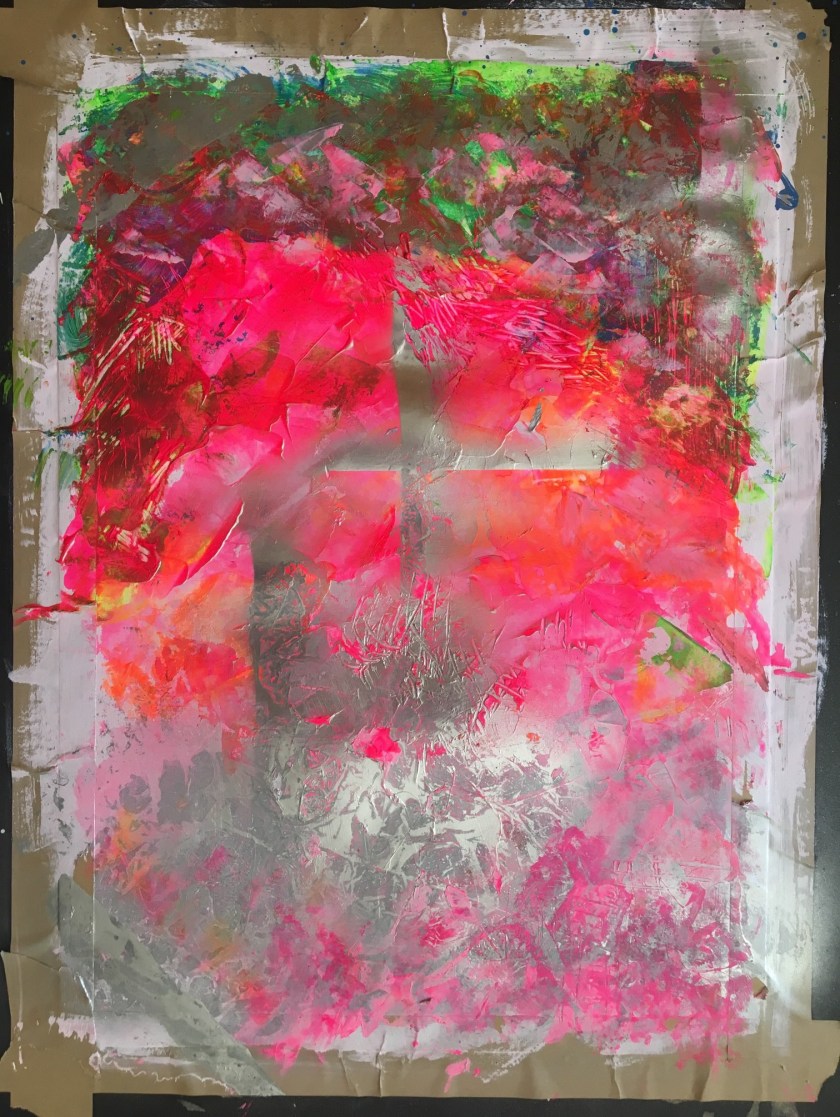
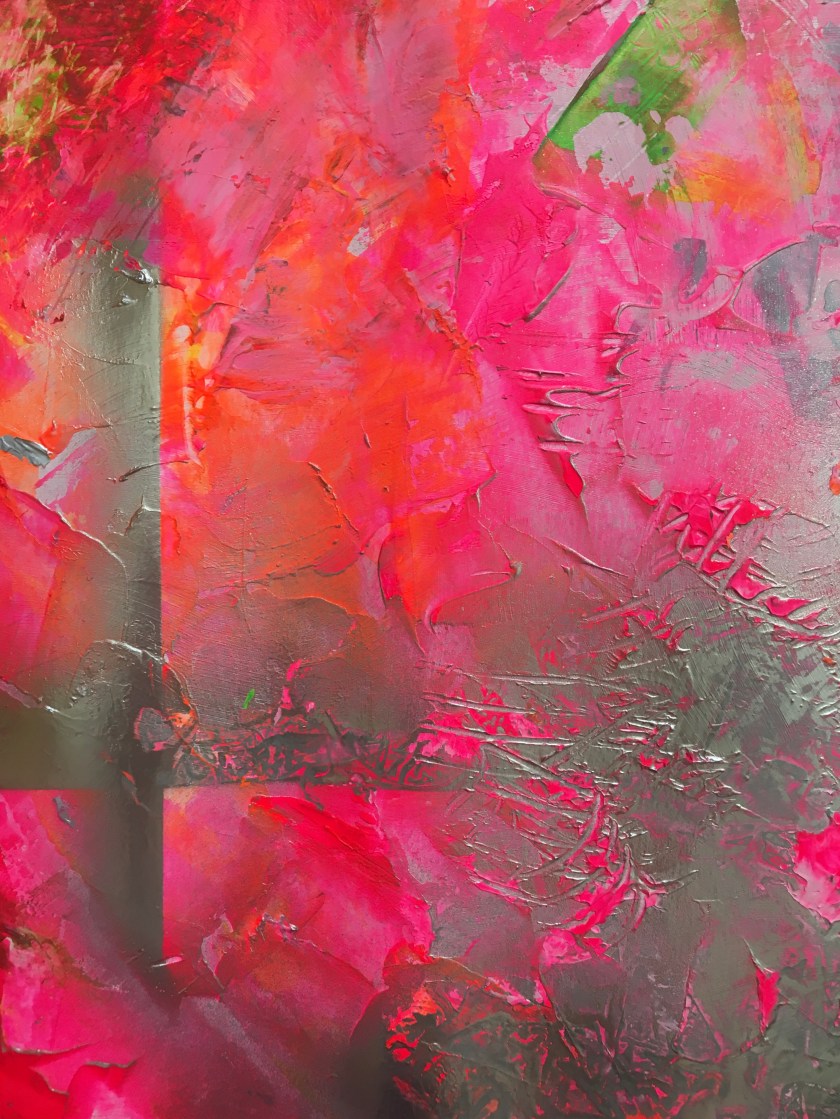
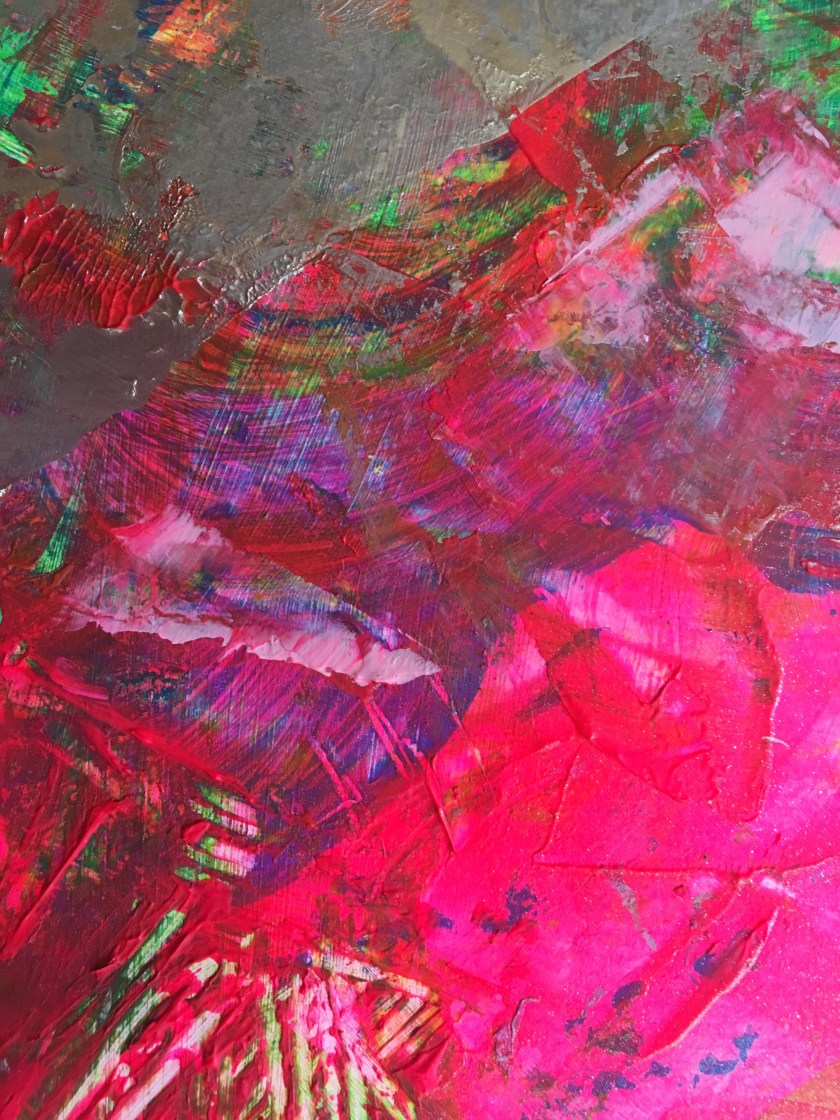
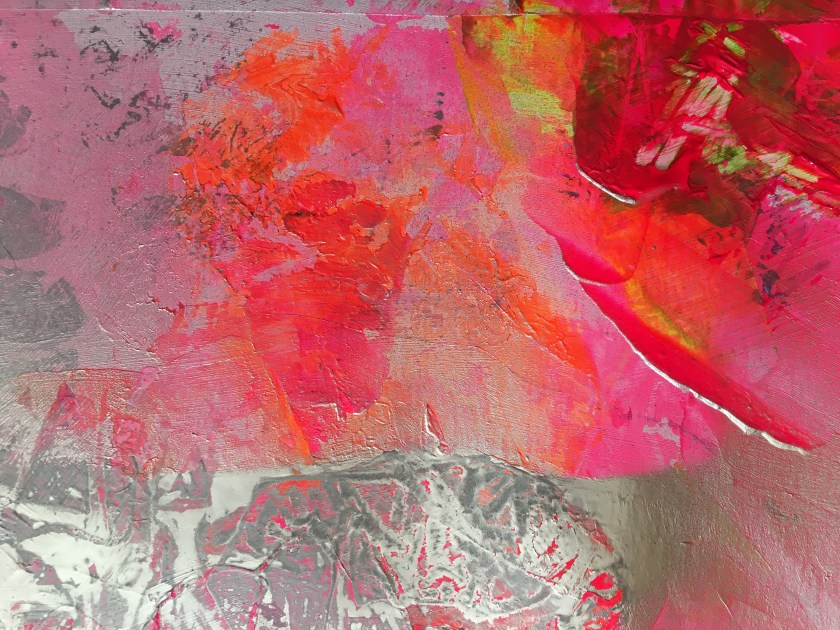
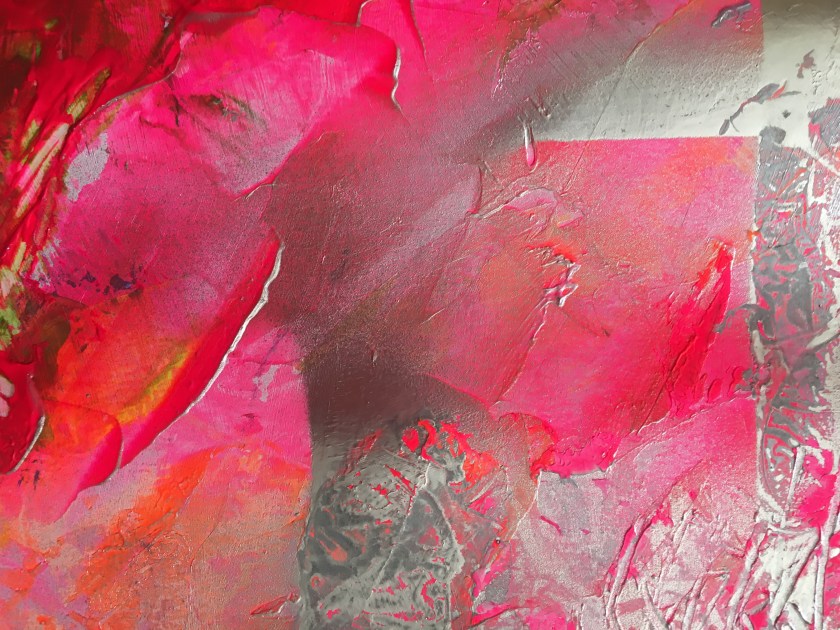
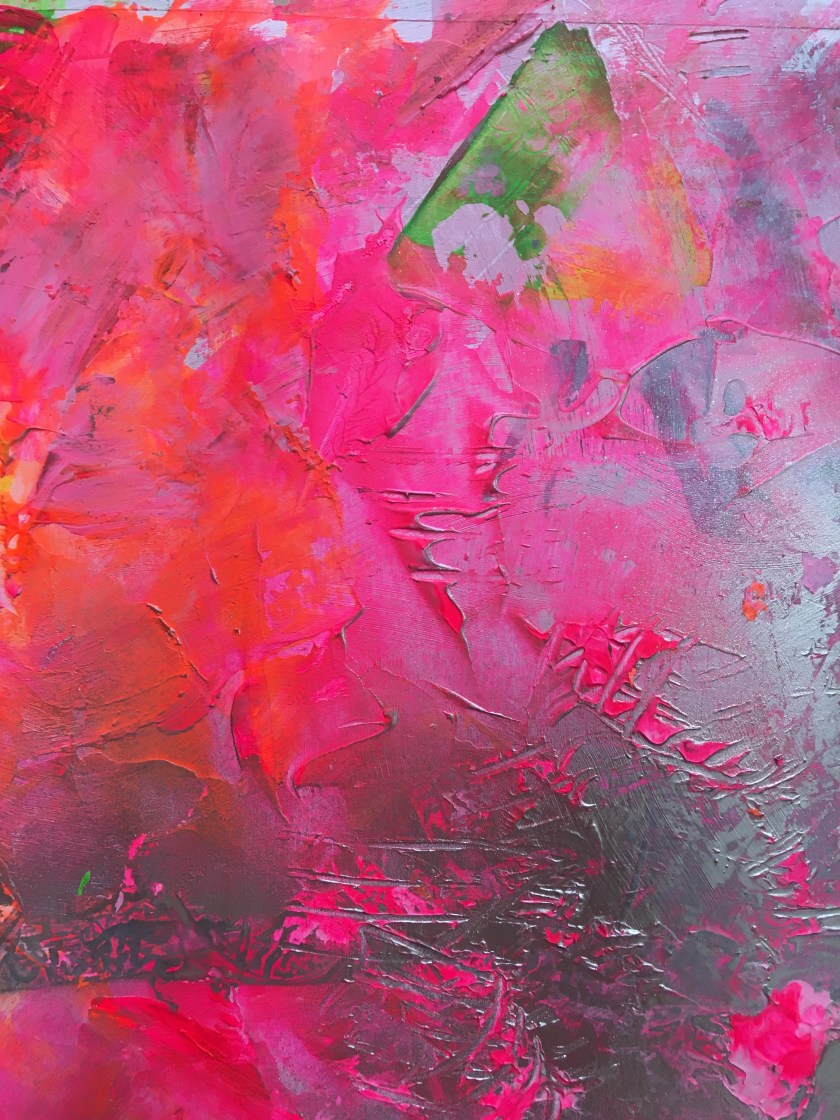
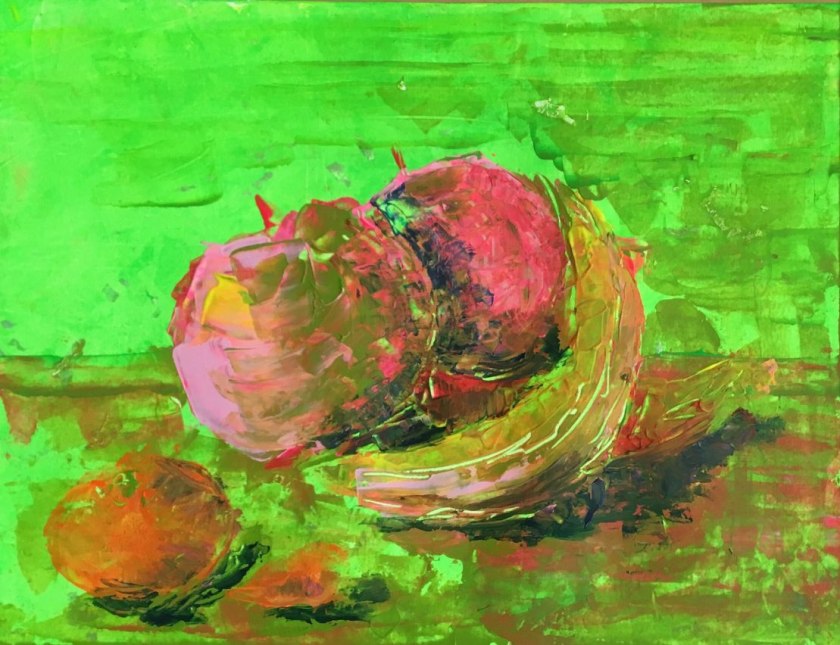
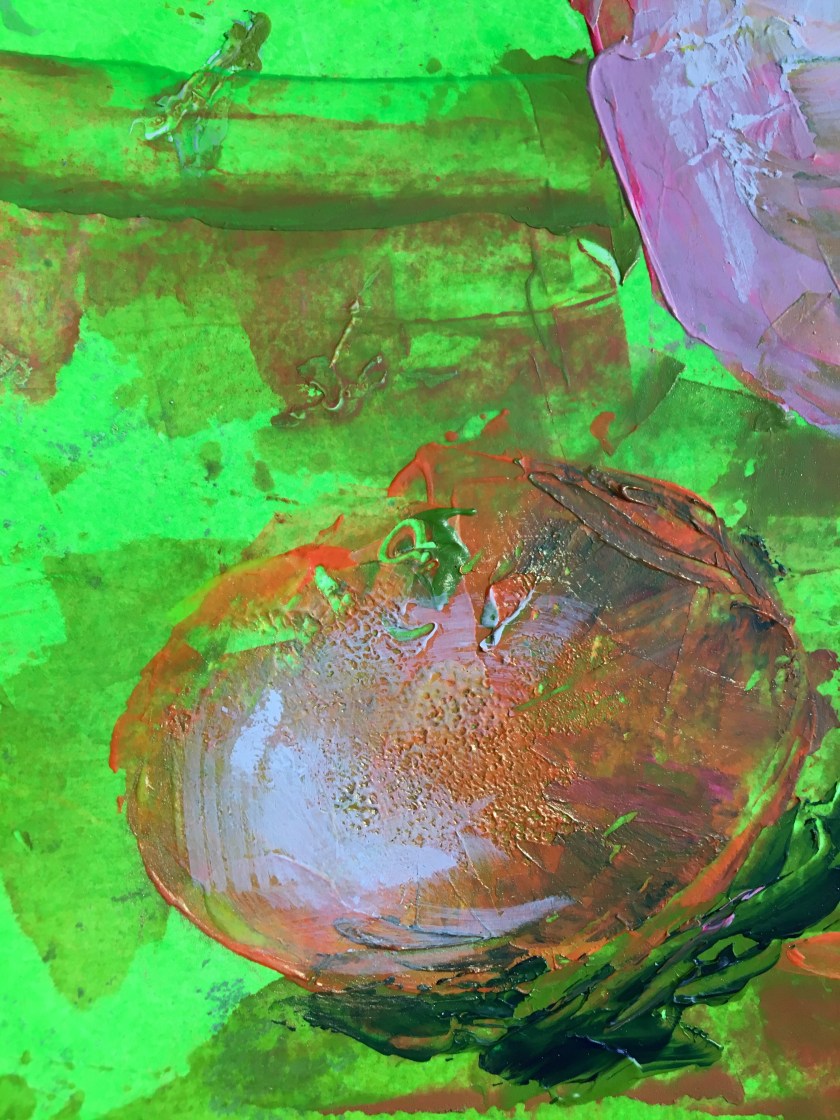
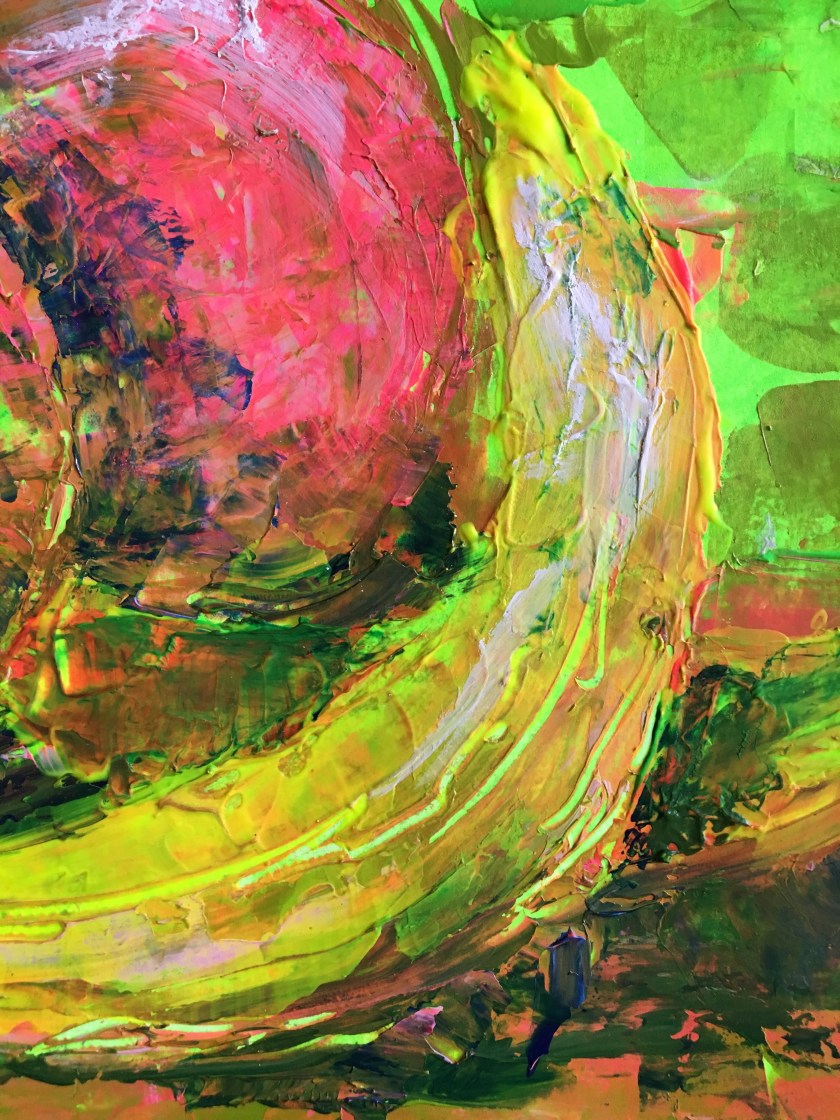 I used a discarded sponge to add texture to the orange and then wanted to see how chalk works on the relief. At first it was just a smudge as it was so soft; once that was wiped away, I used chalk again but did not touch it. As I did this, I became more aware of the abstraction and effects I had created and at this point was very happy so far.
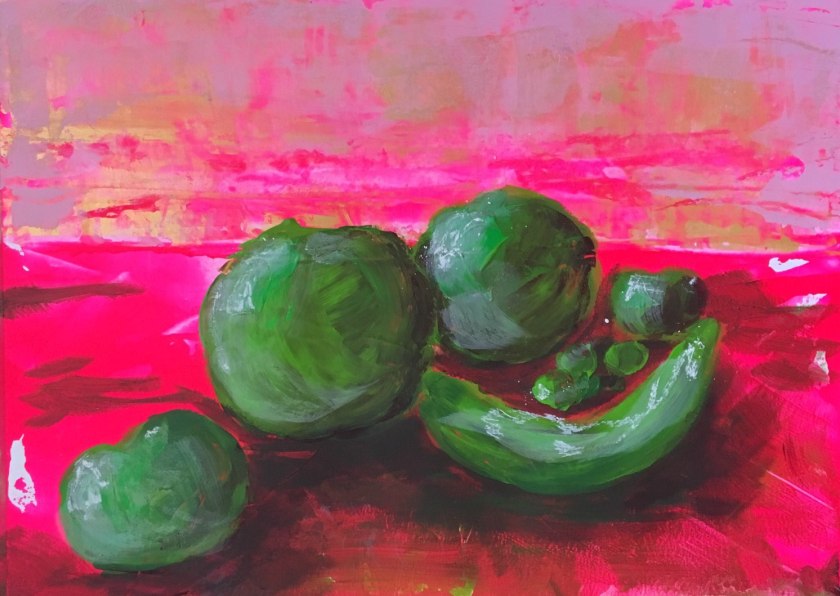
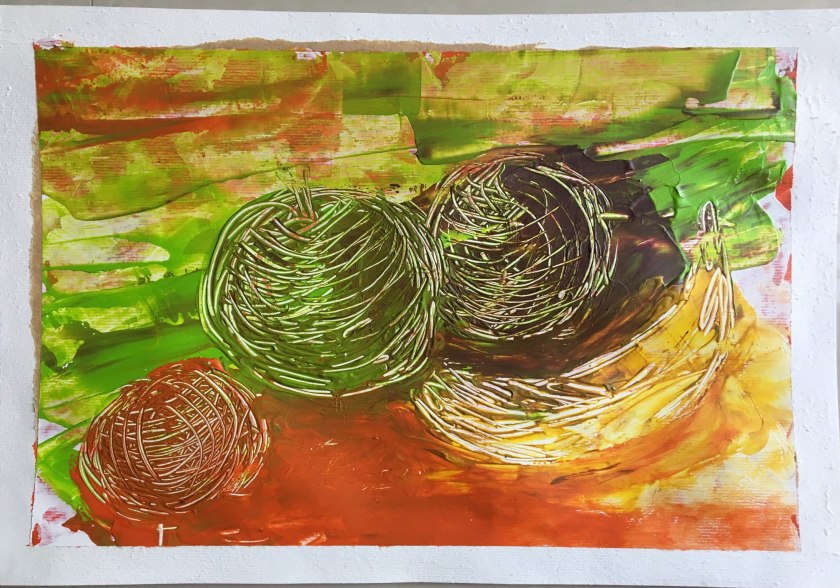
I enjoyed watching how form was created with my brush as I followed the contours of the objects.
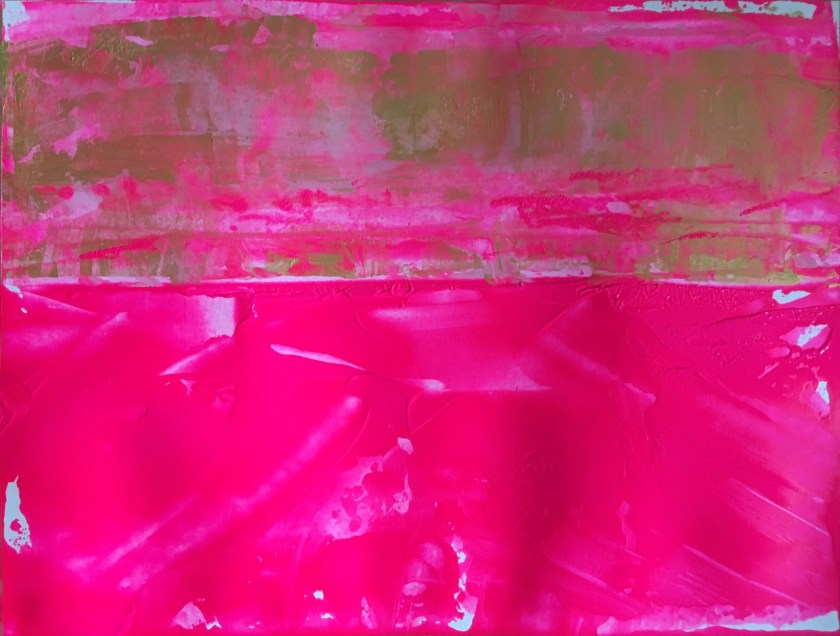
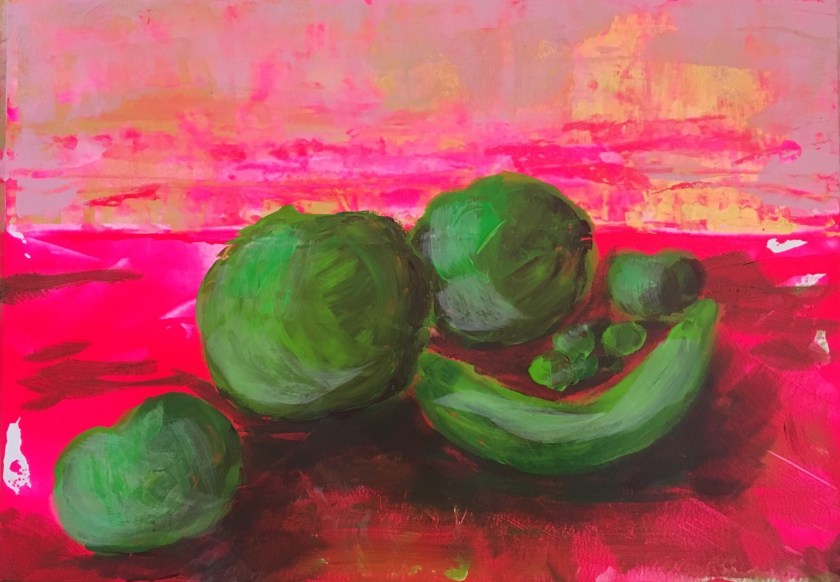
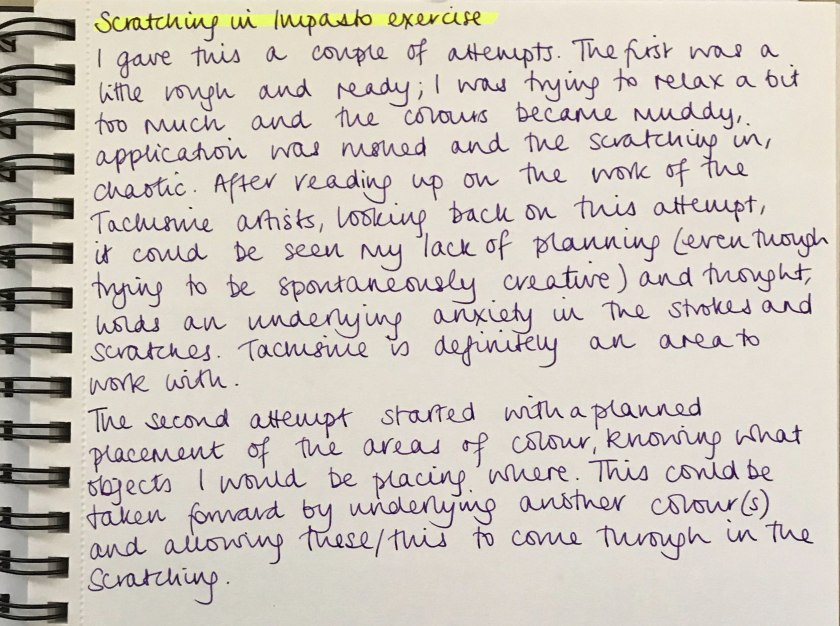

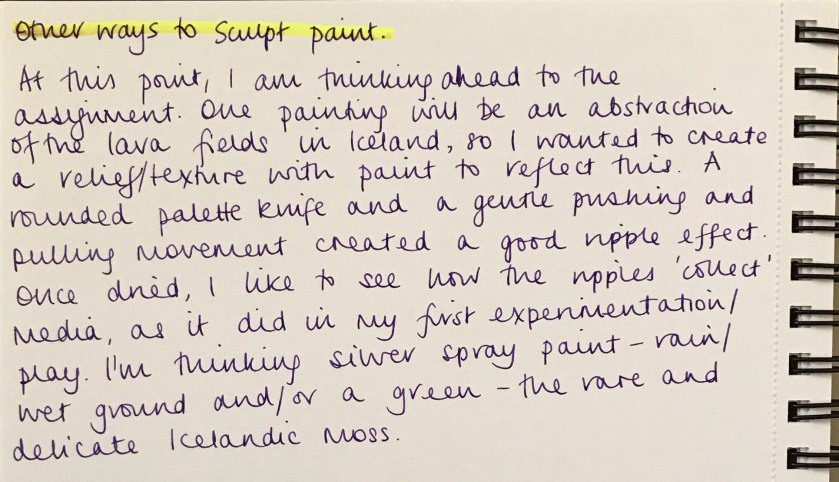
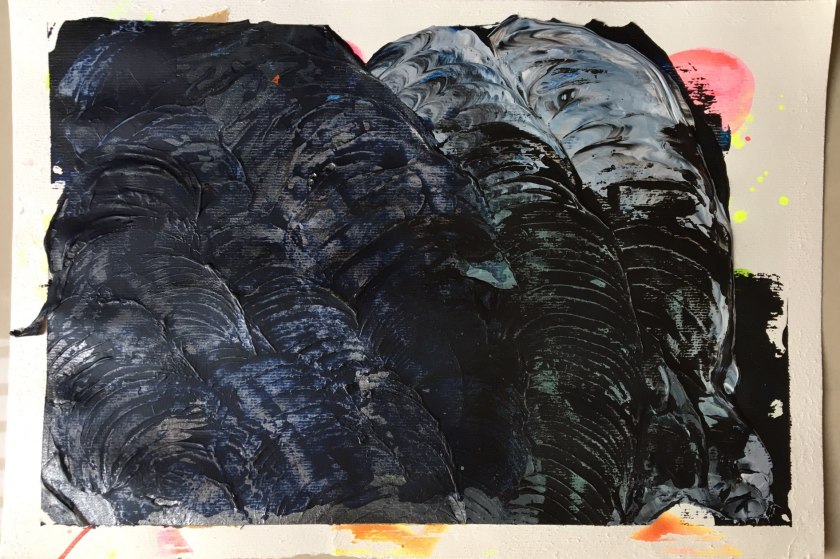
I loved this effect; I didn’t overthink anything and just played with the palette knife and paint. I like how the relief came through with the movement of the knife.
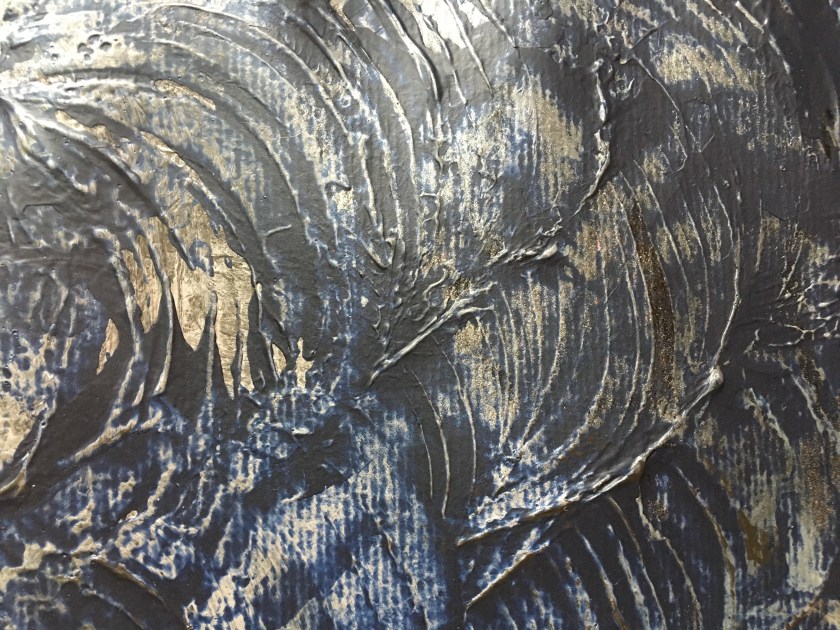
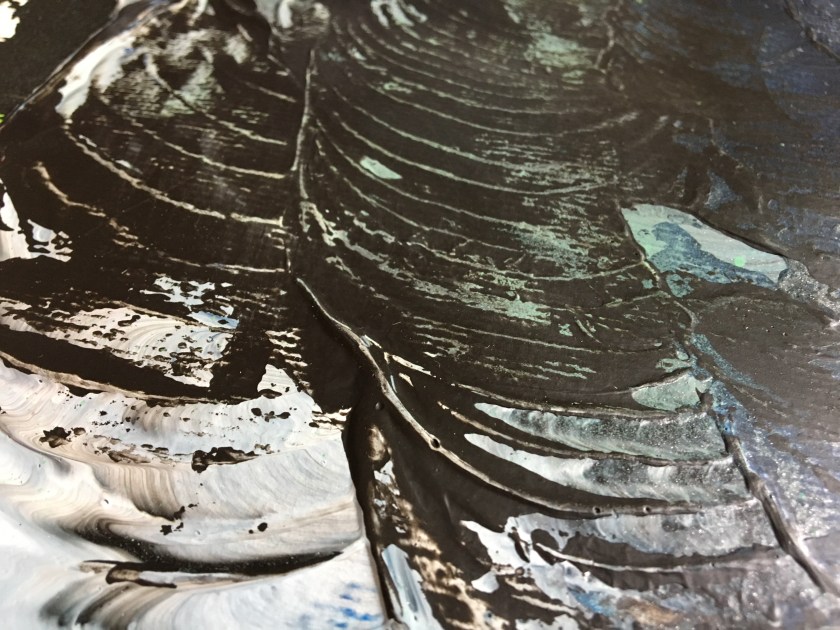
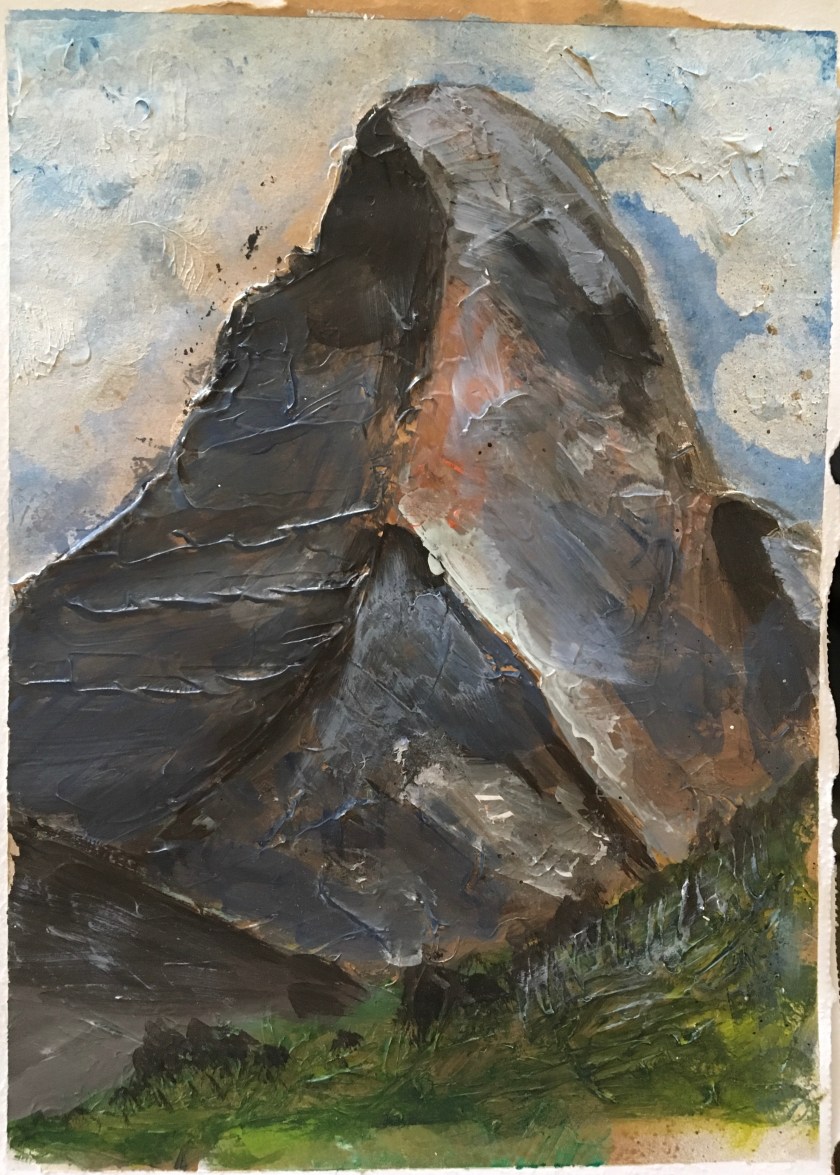
Brush impasto and sgrafitto


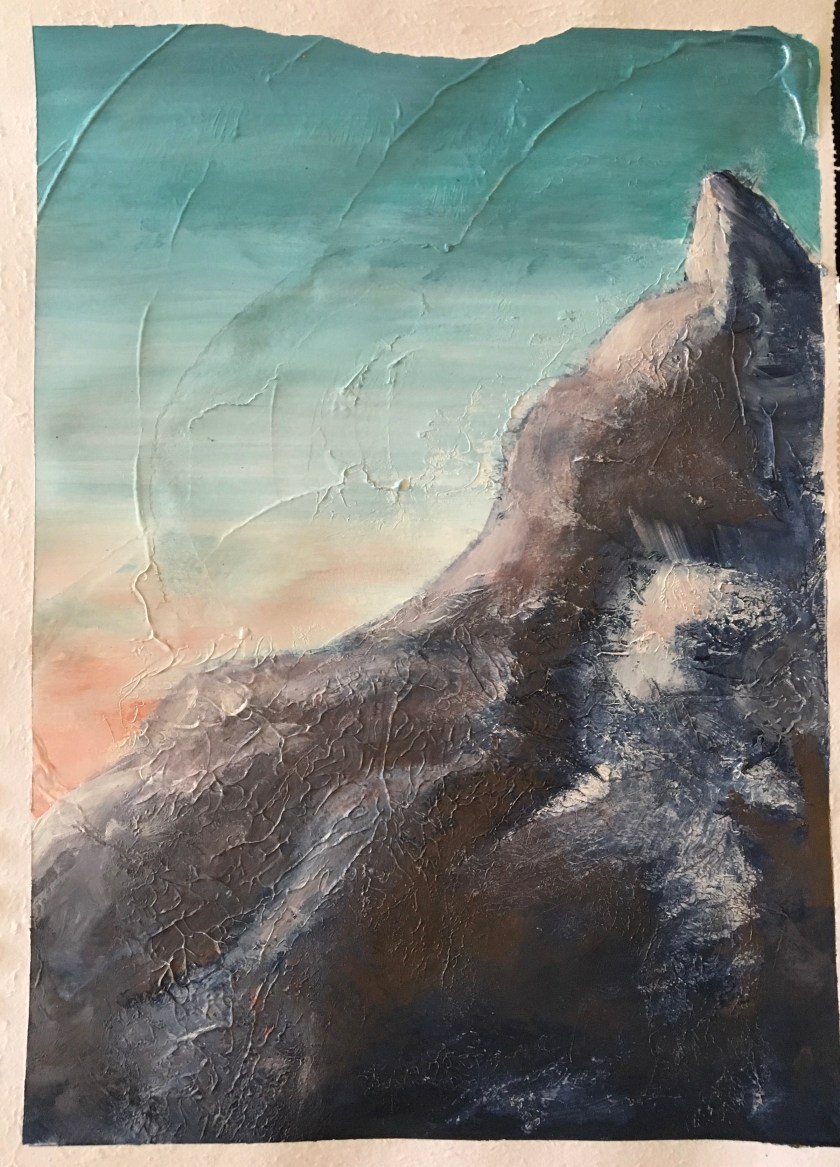
Palette knife and brush impasto


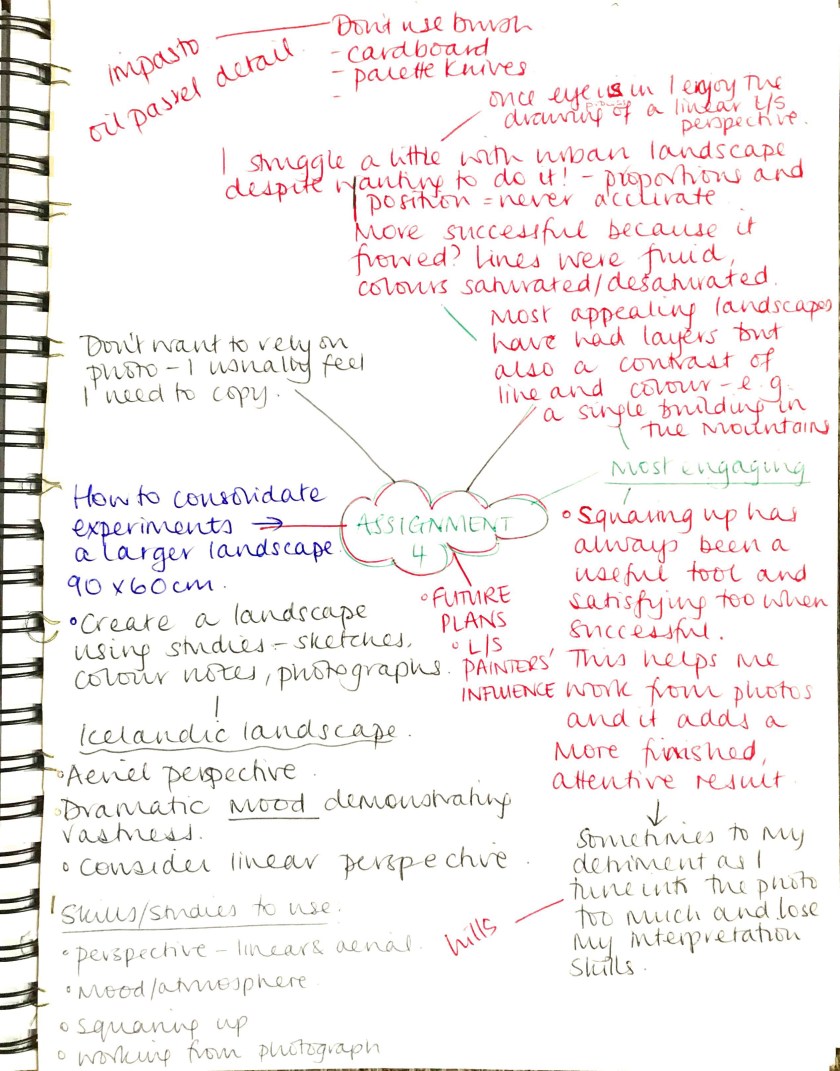
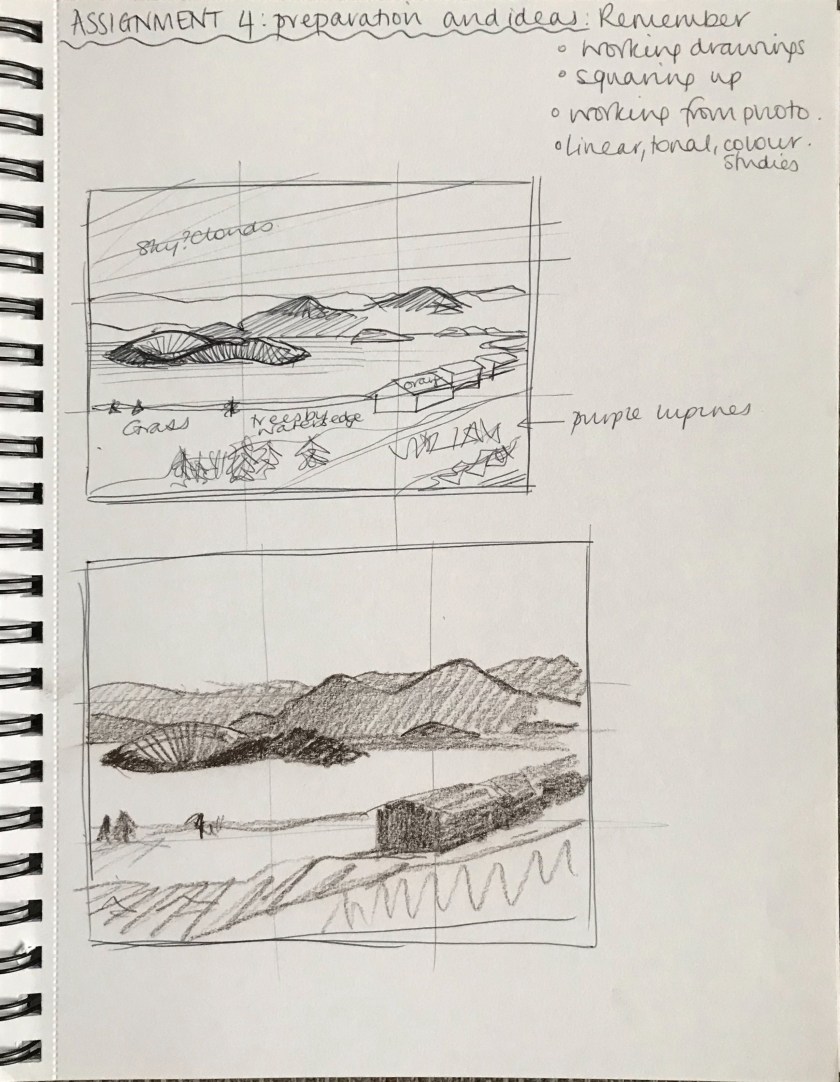
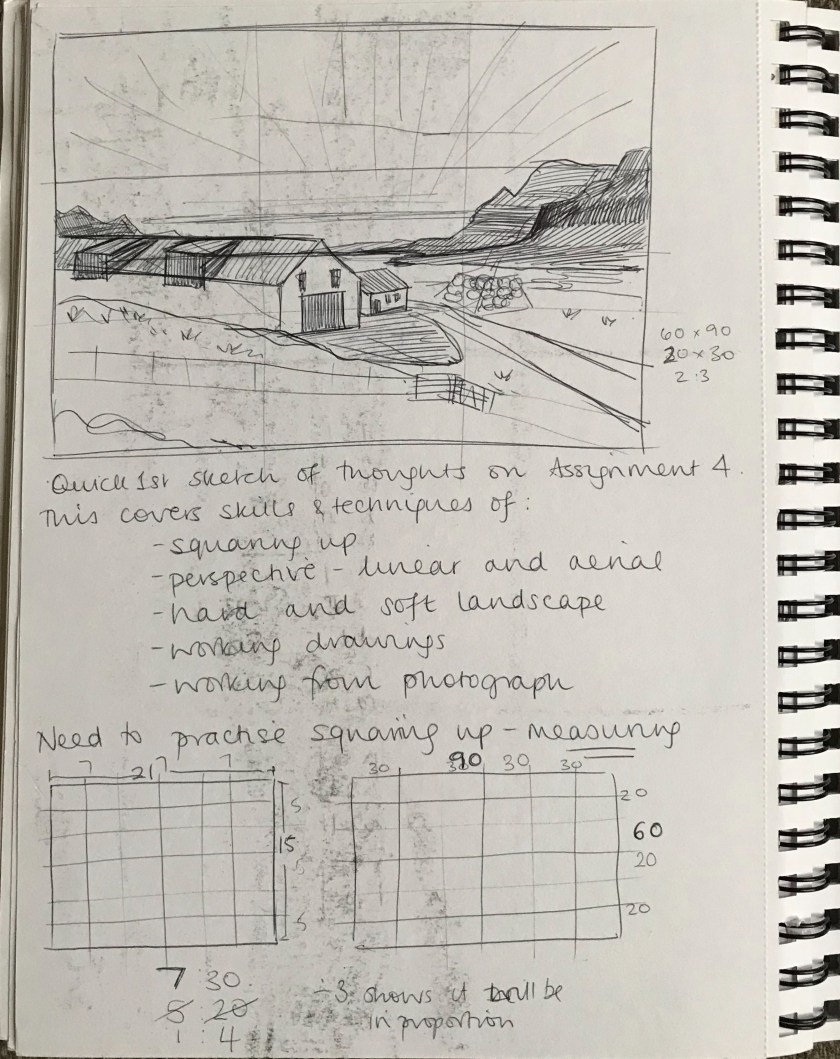
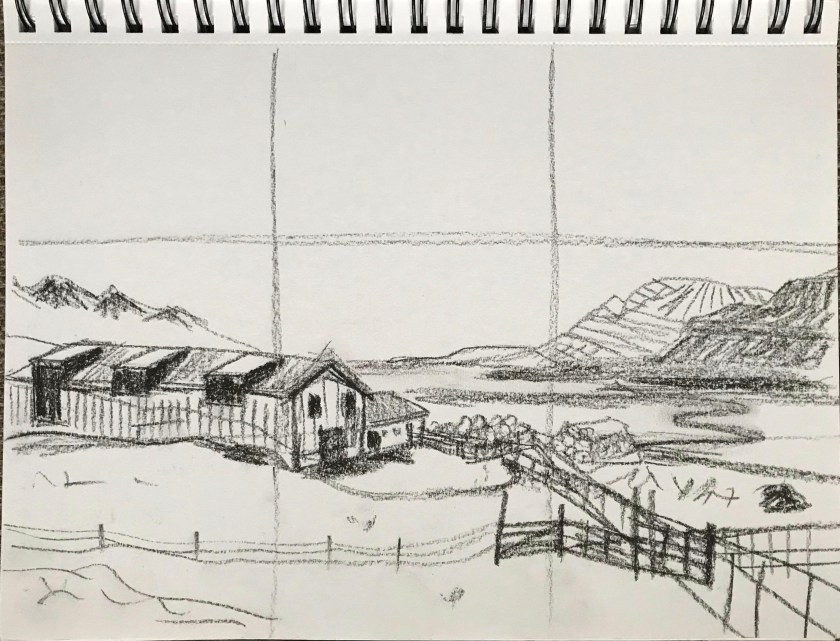
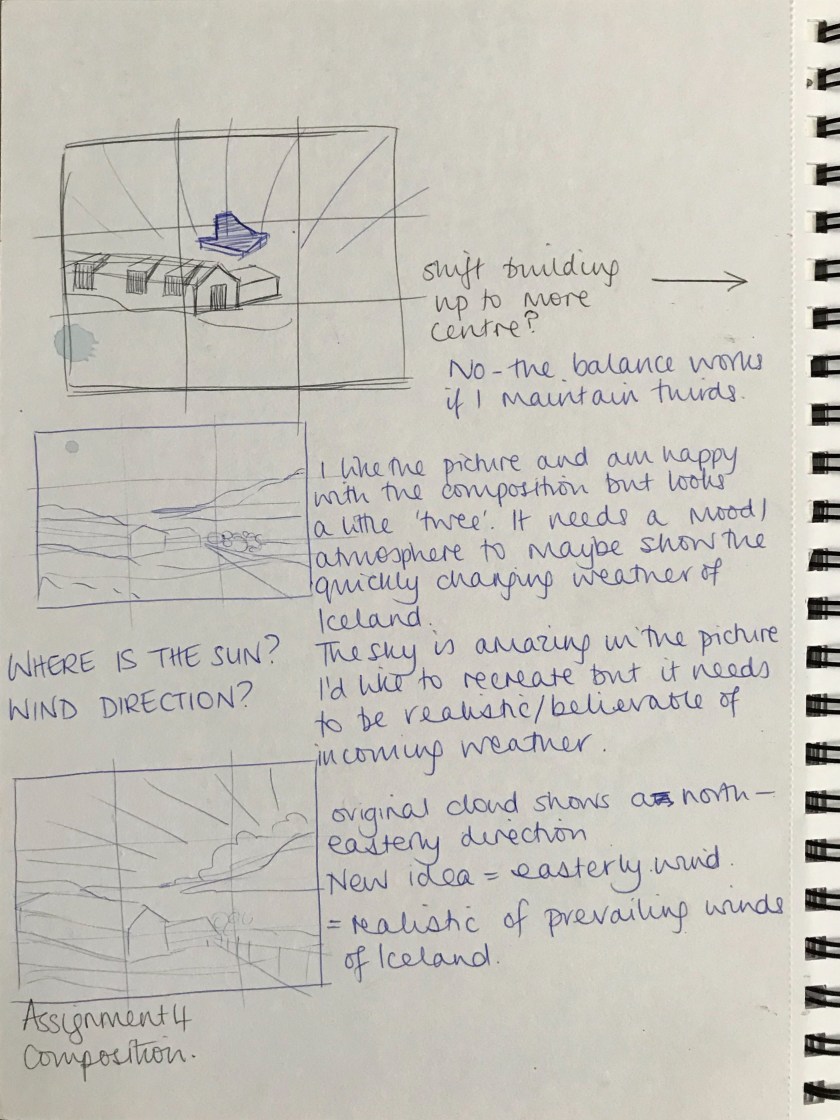
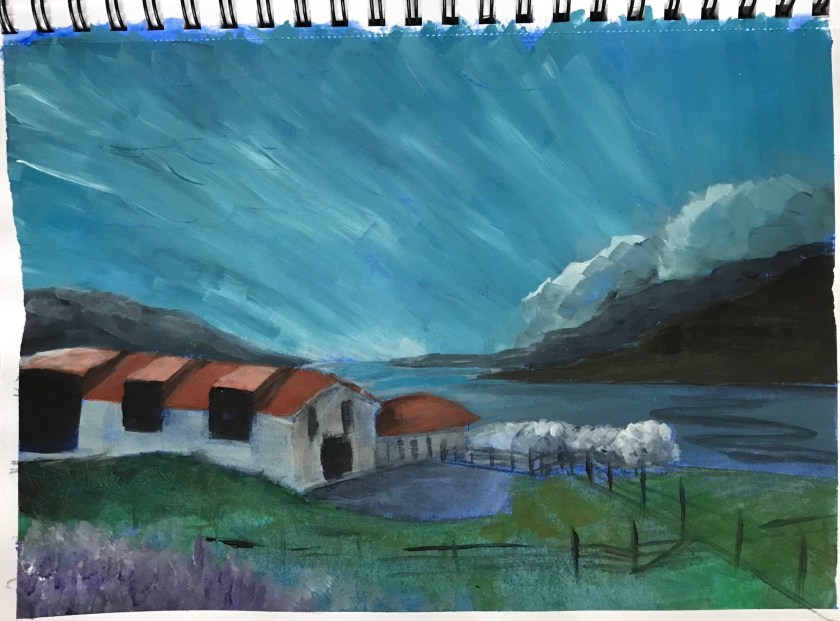
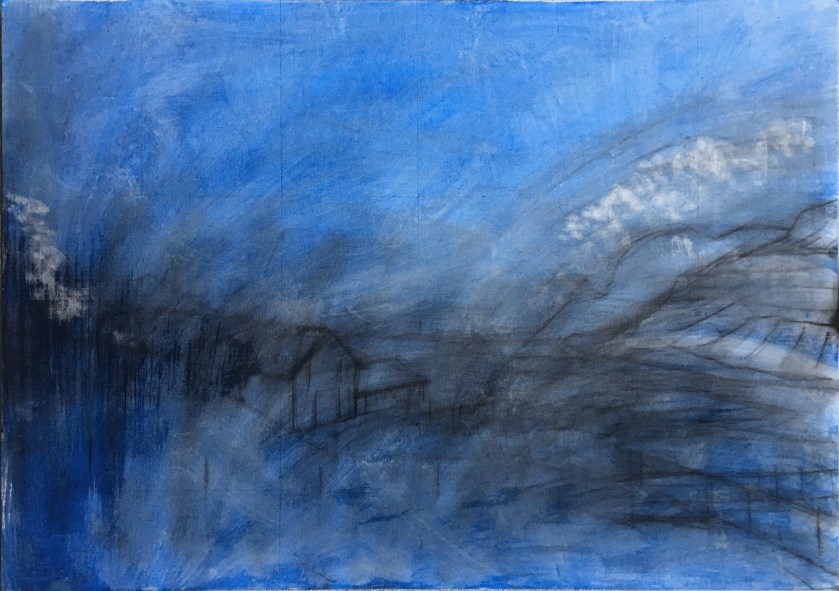
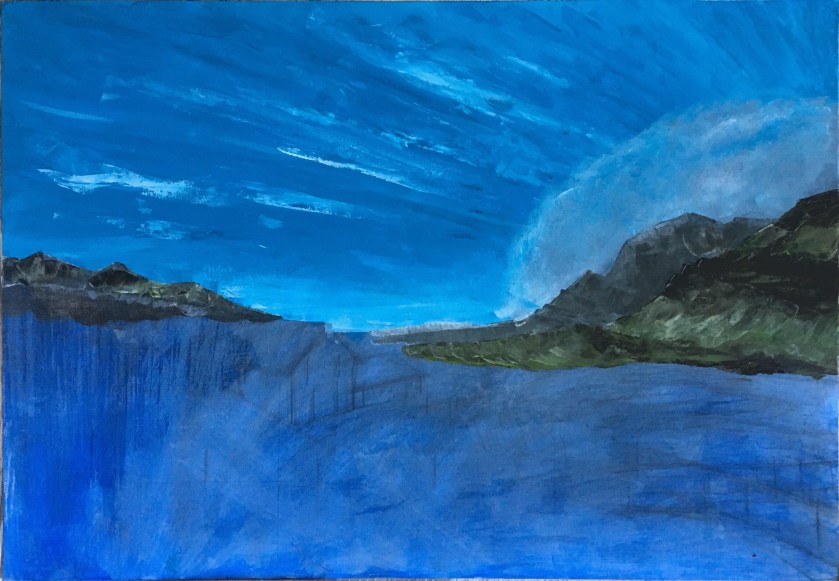
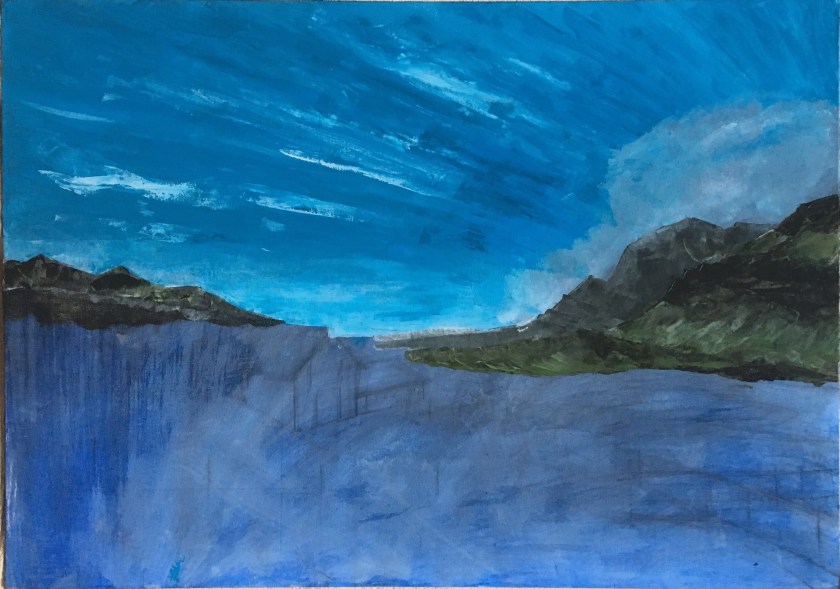
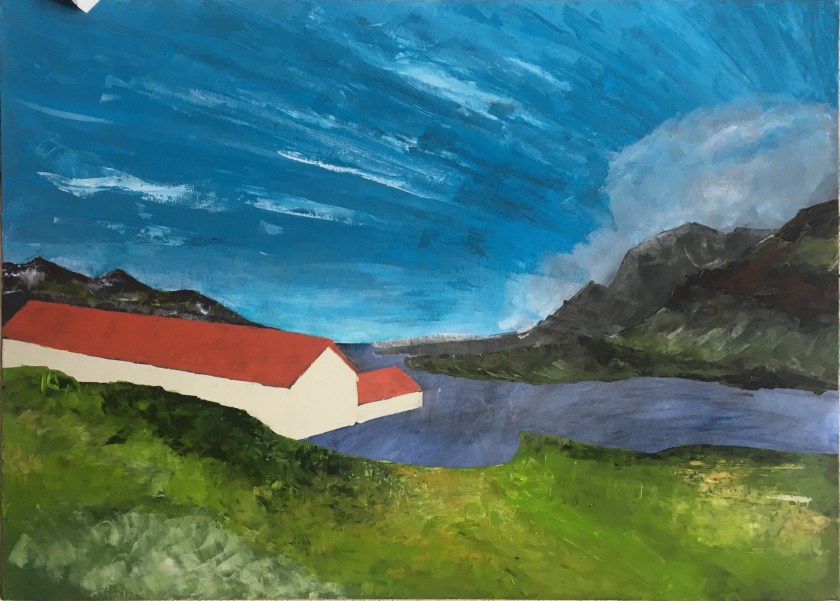
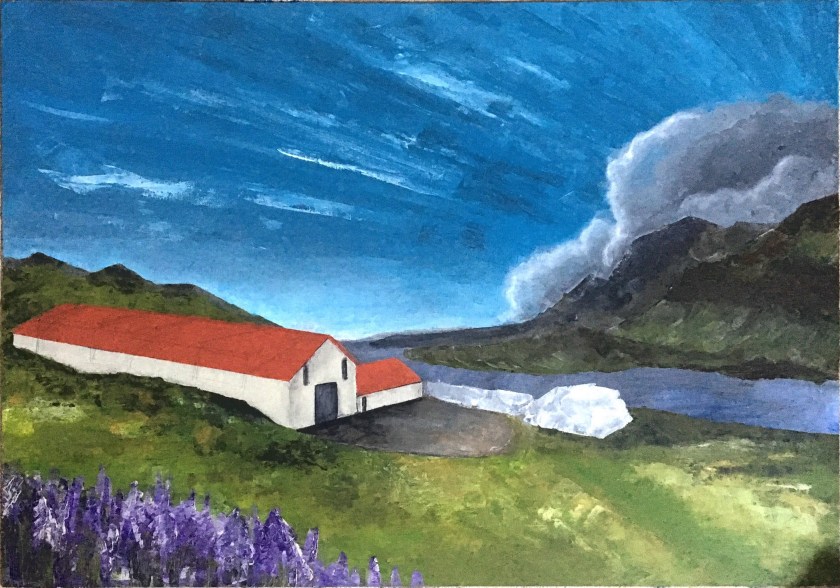
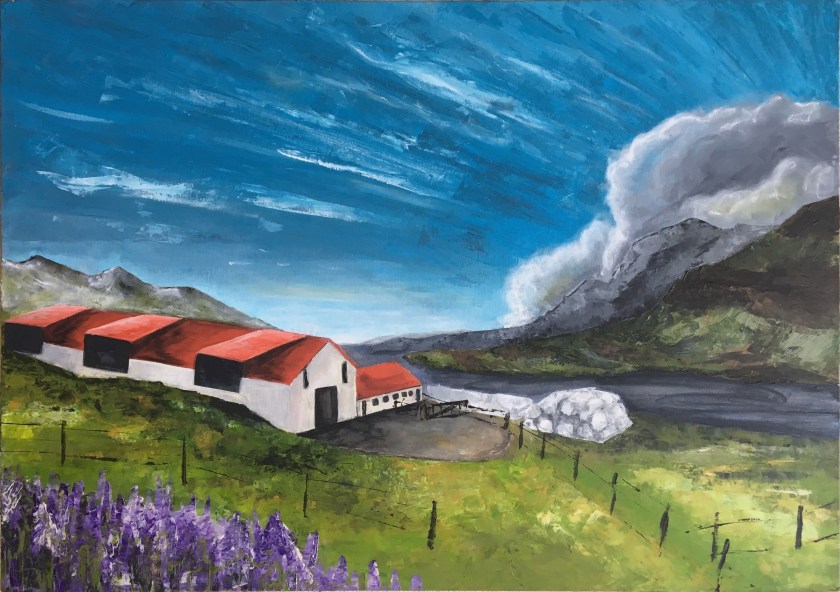
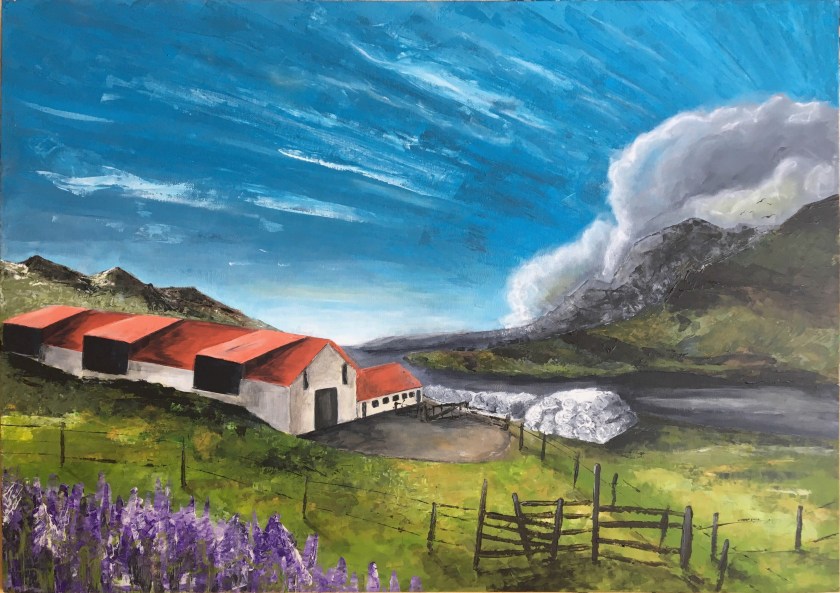
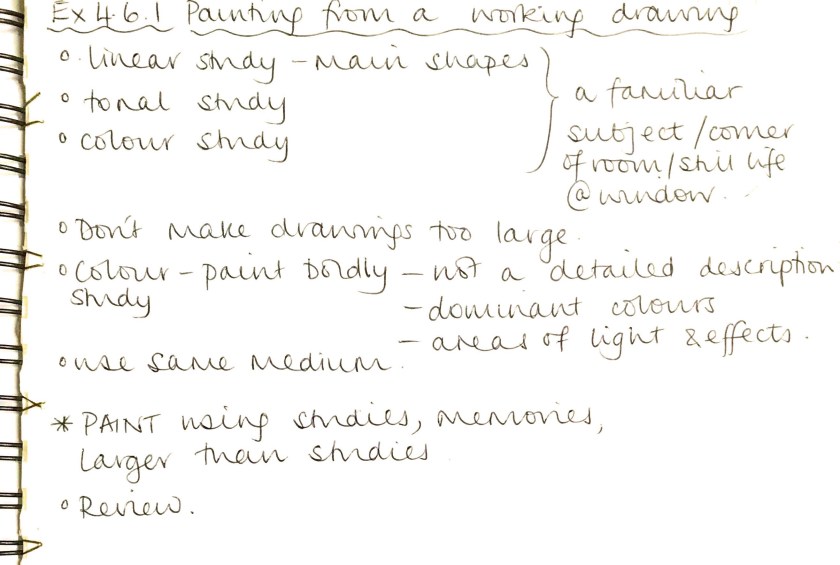
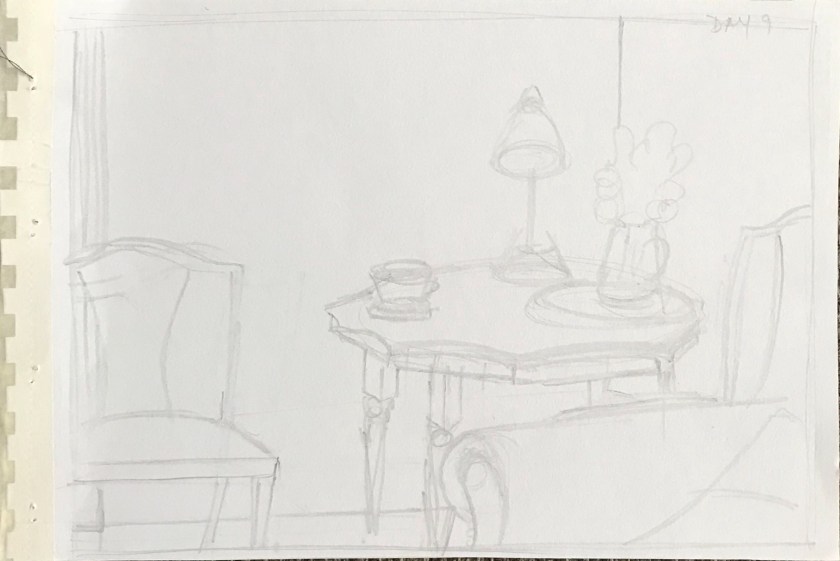
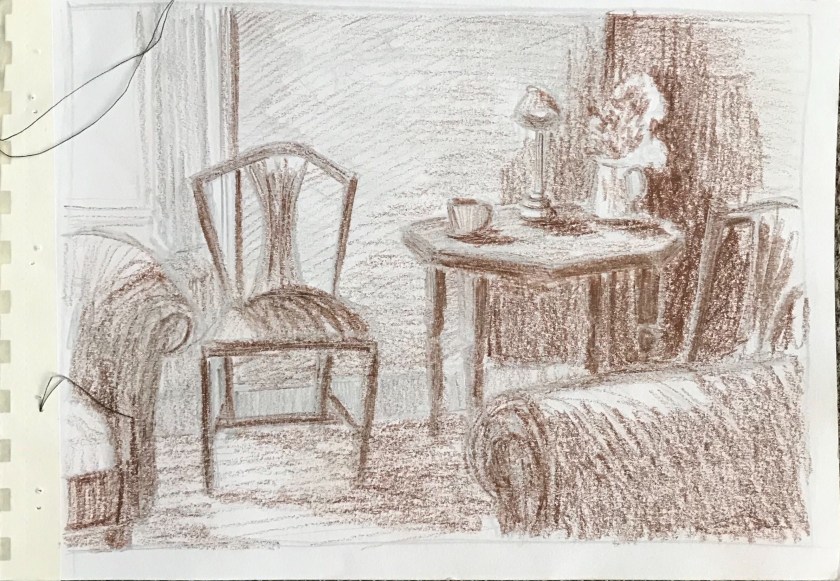
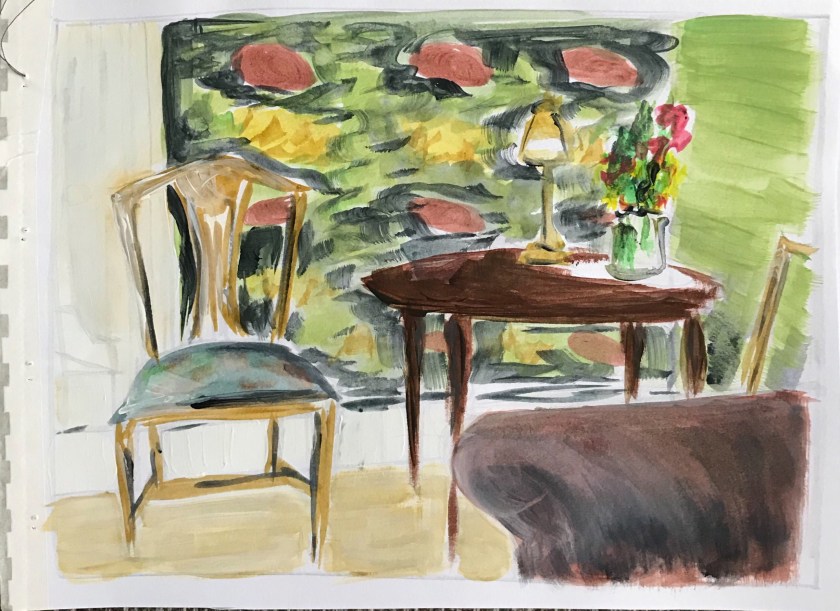
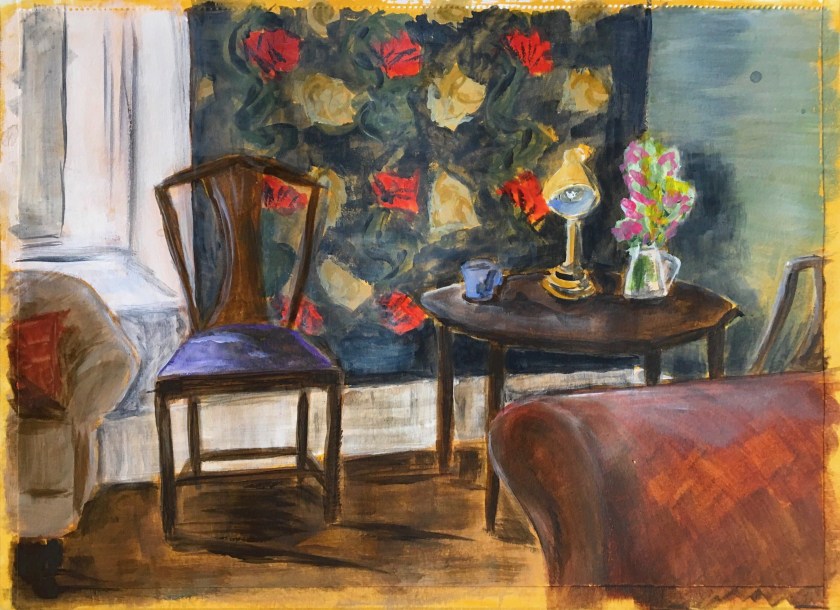
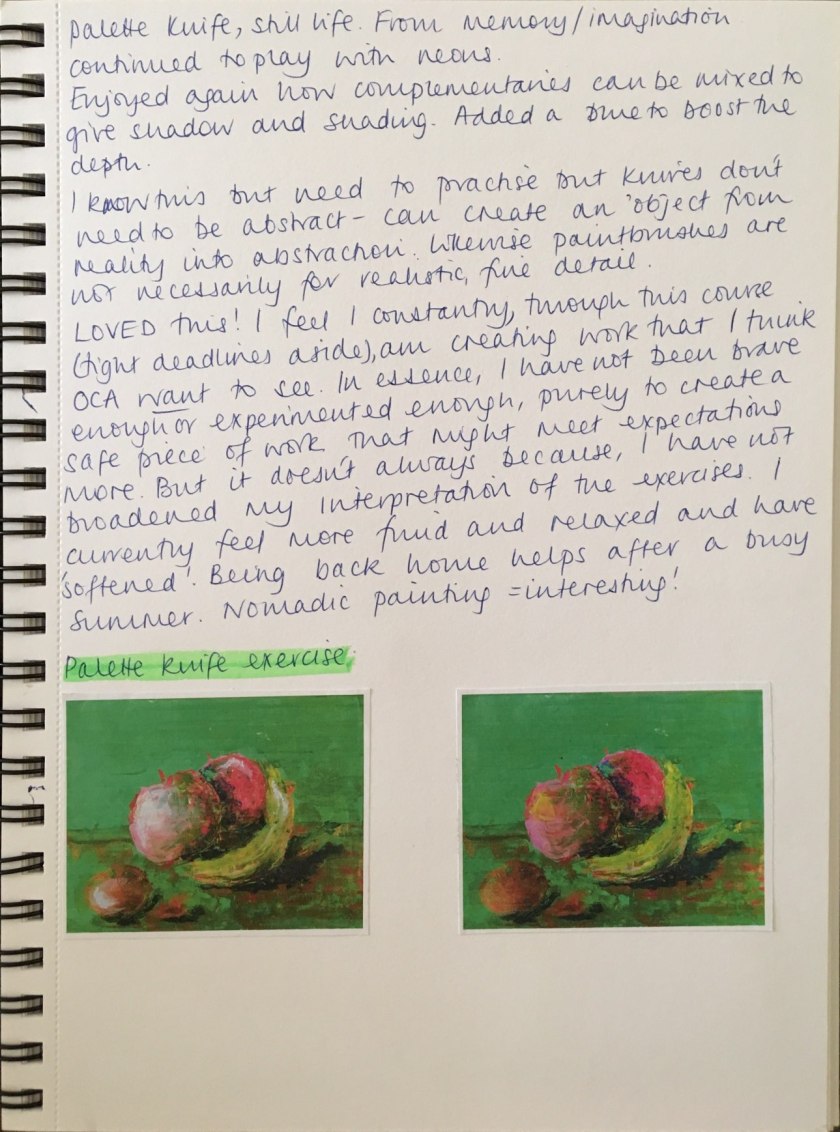
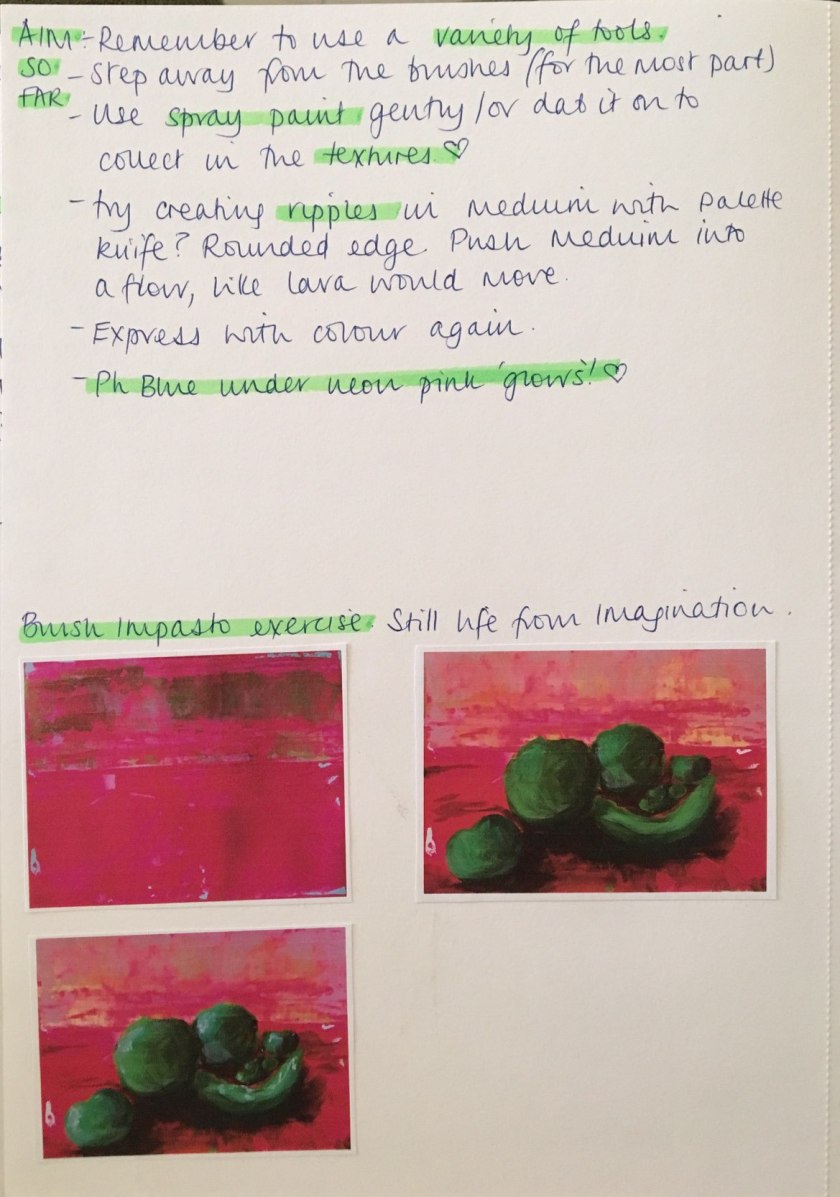
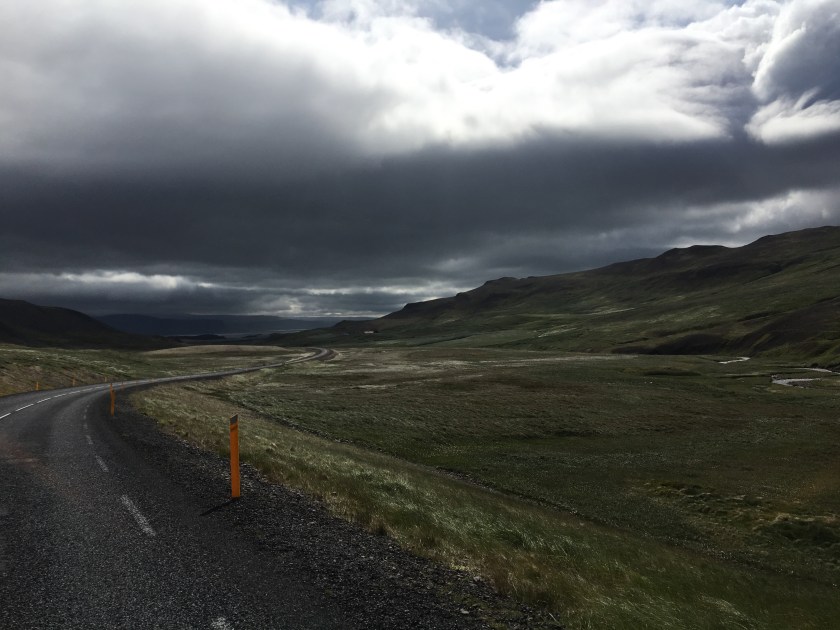
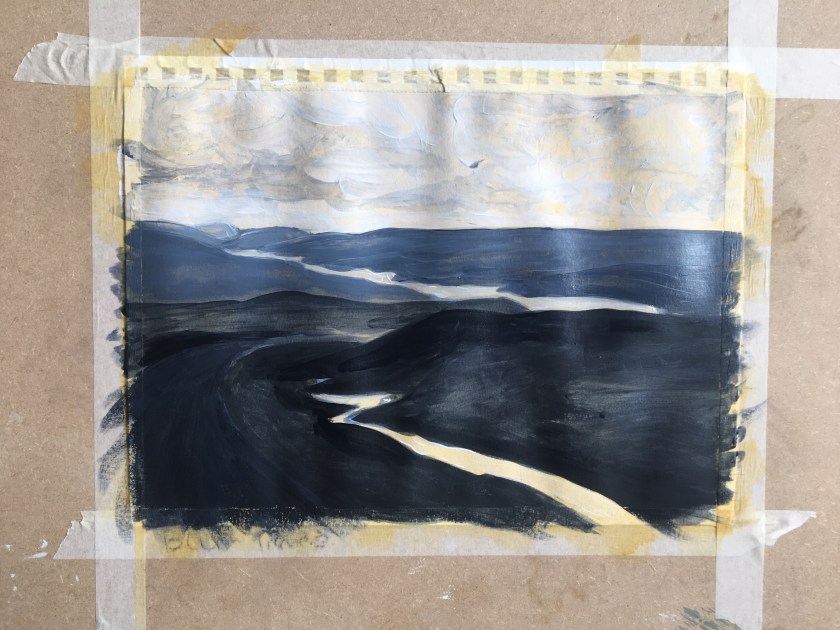
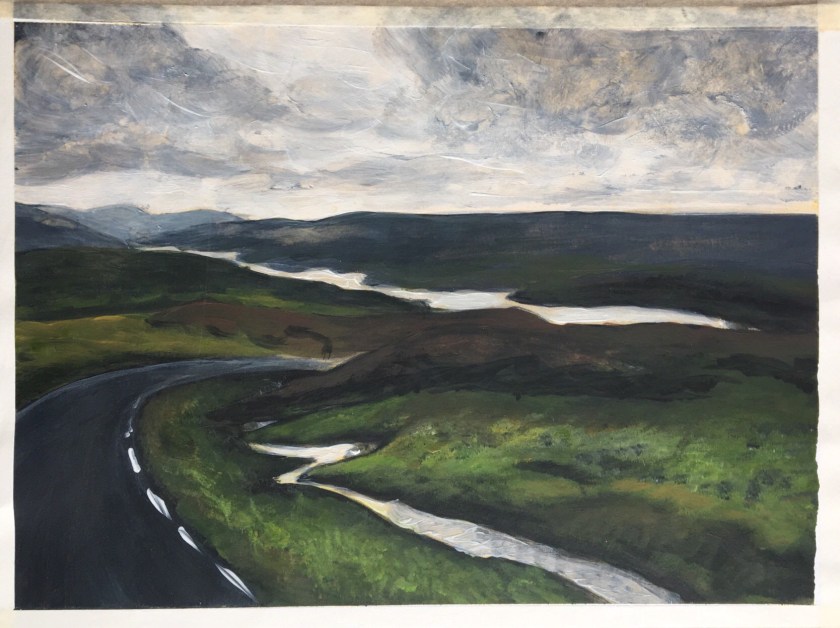
Another exercise I enjoyed because it made me paint a little looser. I felt I was not a slave to the detail; I used my studies to refer to but the final painting was built up of memories and experiments. In. The past I’ve always tried to be really specific with the light and shadow, trying to replicate it exactly in other work. But here I felt my marks were more painterly. This is what I feel I would like to try more of.
However…at what point do these relaxed, painterly marks become noisy? I need clarification on this, I think.
The painting changed when I started to work with the highlights and shadows, especially on the chair. I then added a glaze over the wallpaper and this gave a peaceful haze to the corner.
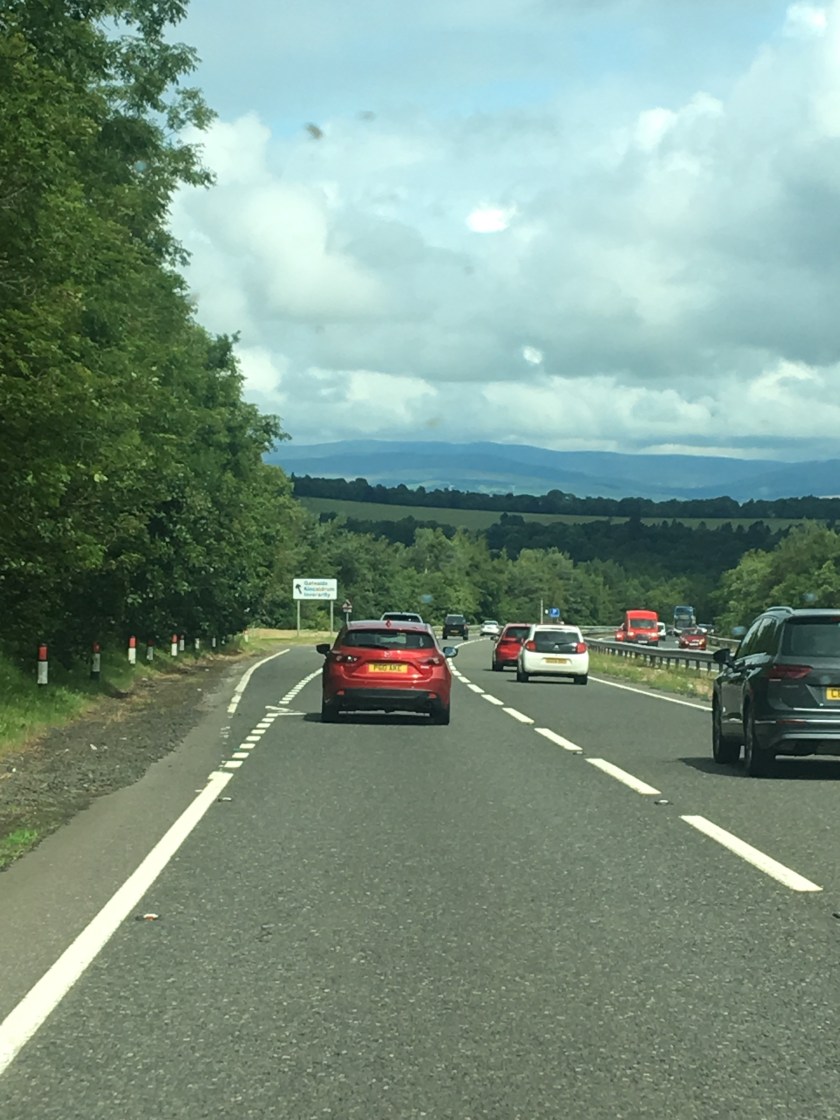
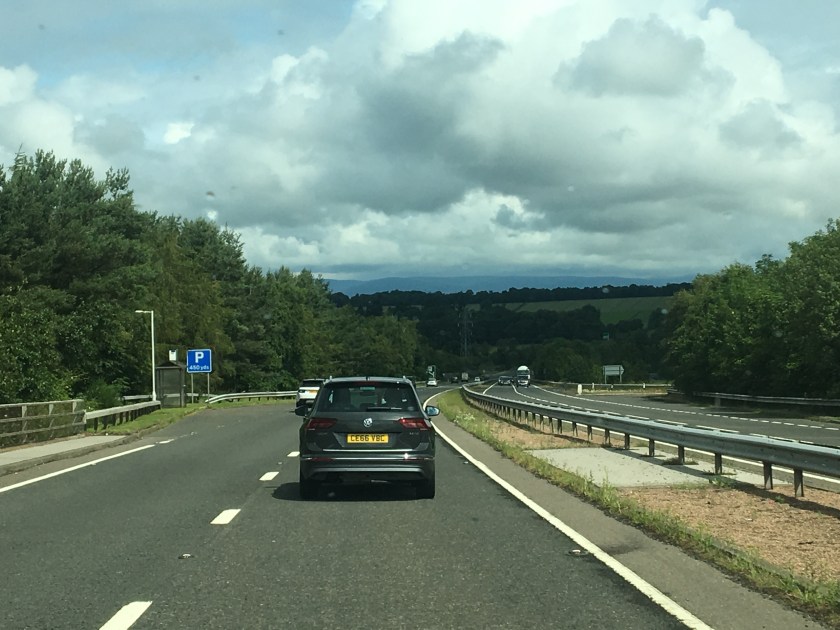
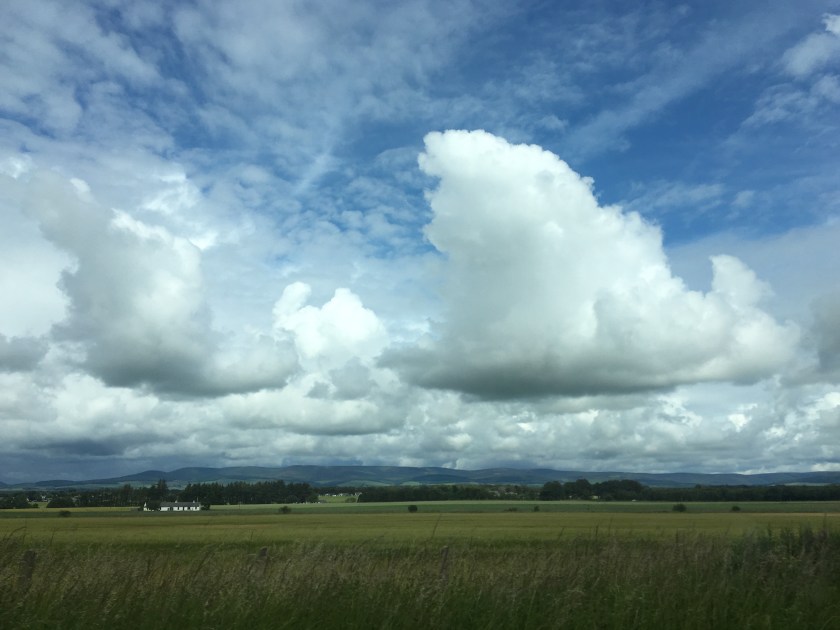
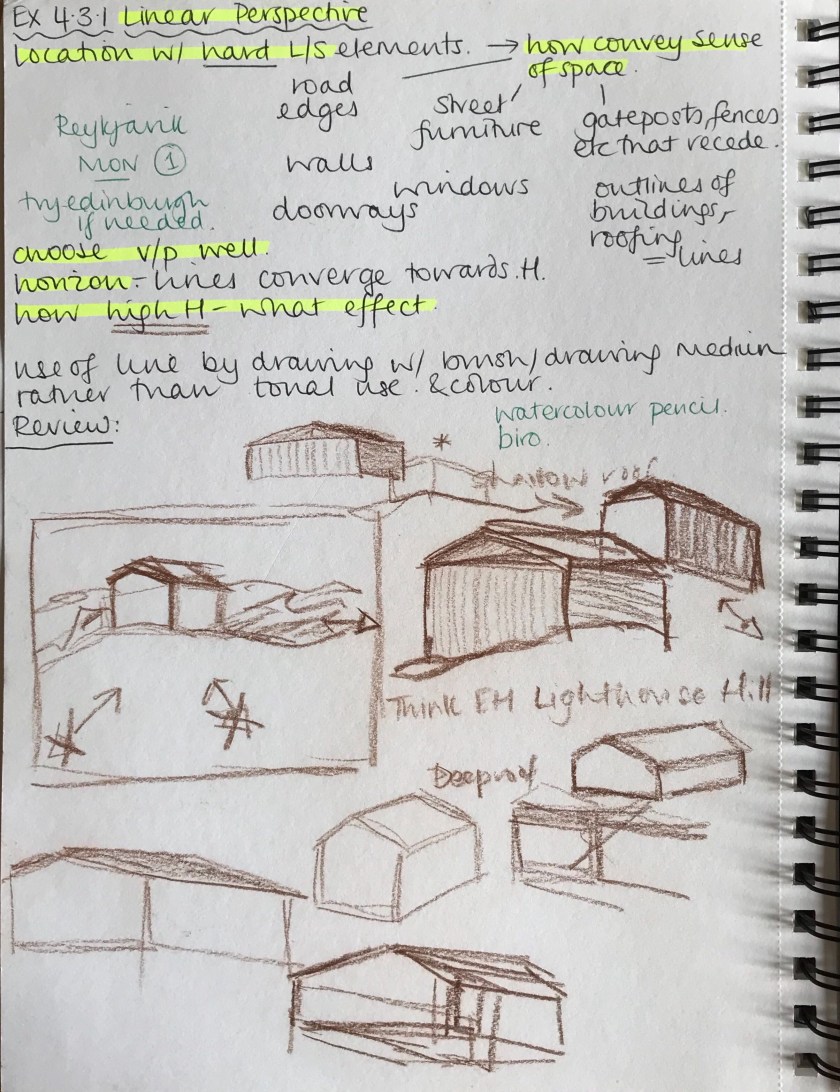
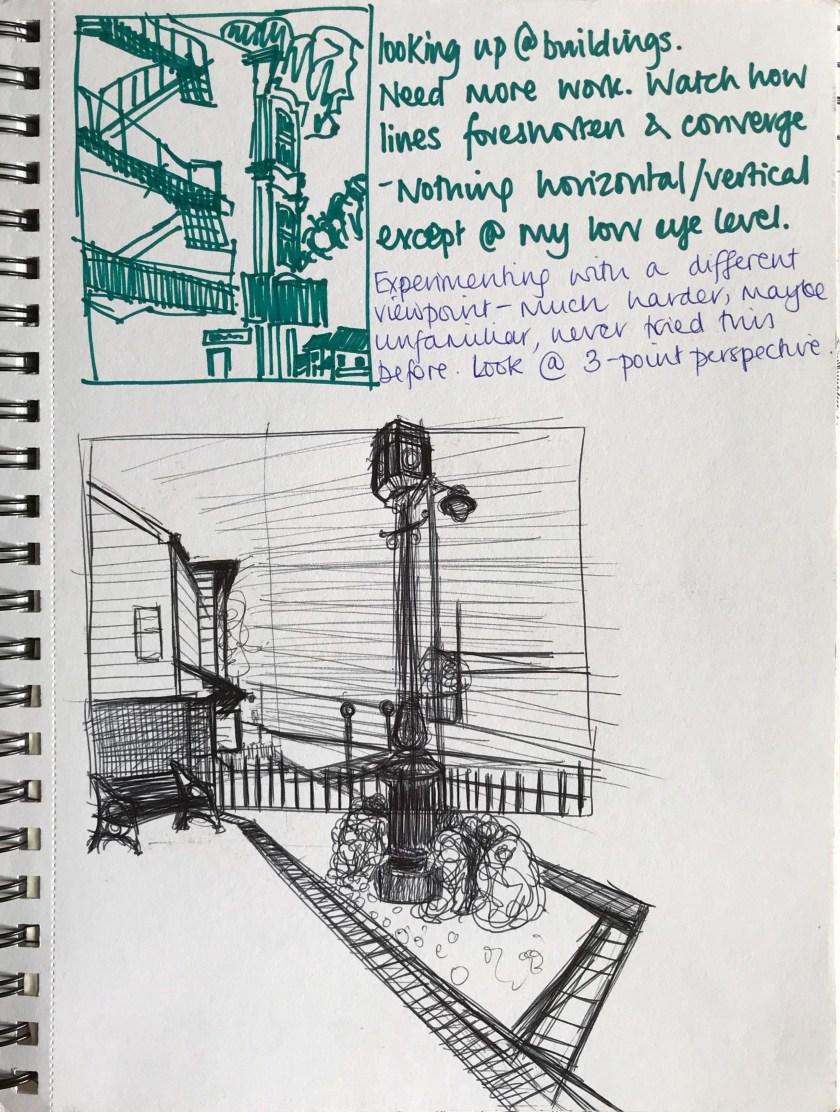
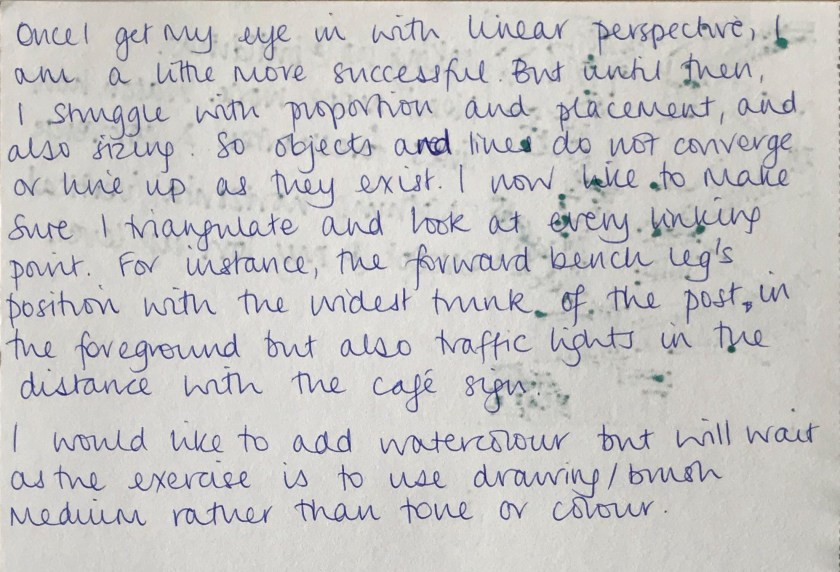
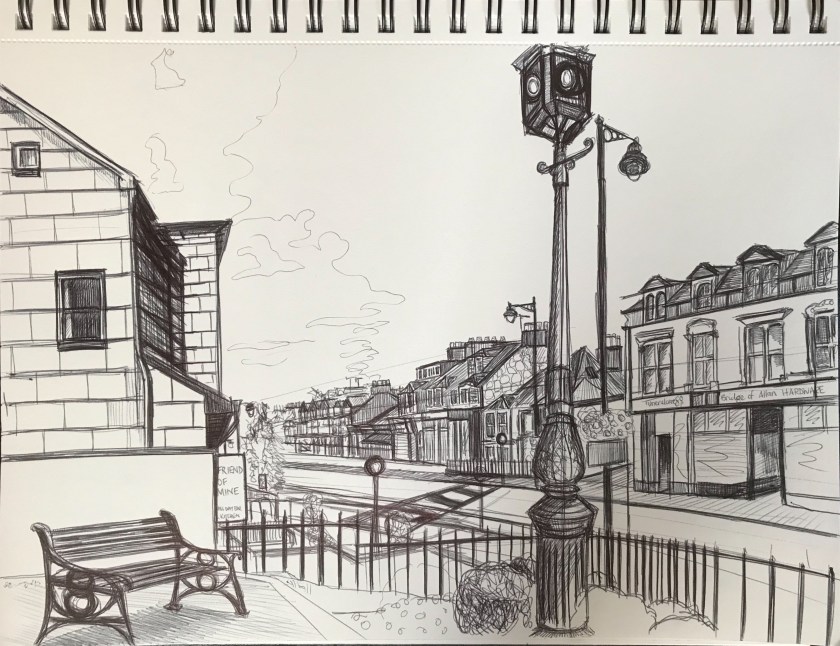
(Studies on Linear Perspective in Drawing 1 here)
 Tea and Doodles